




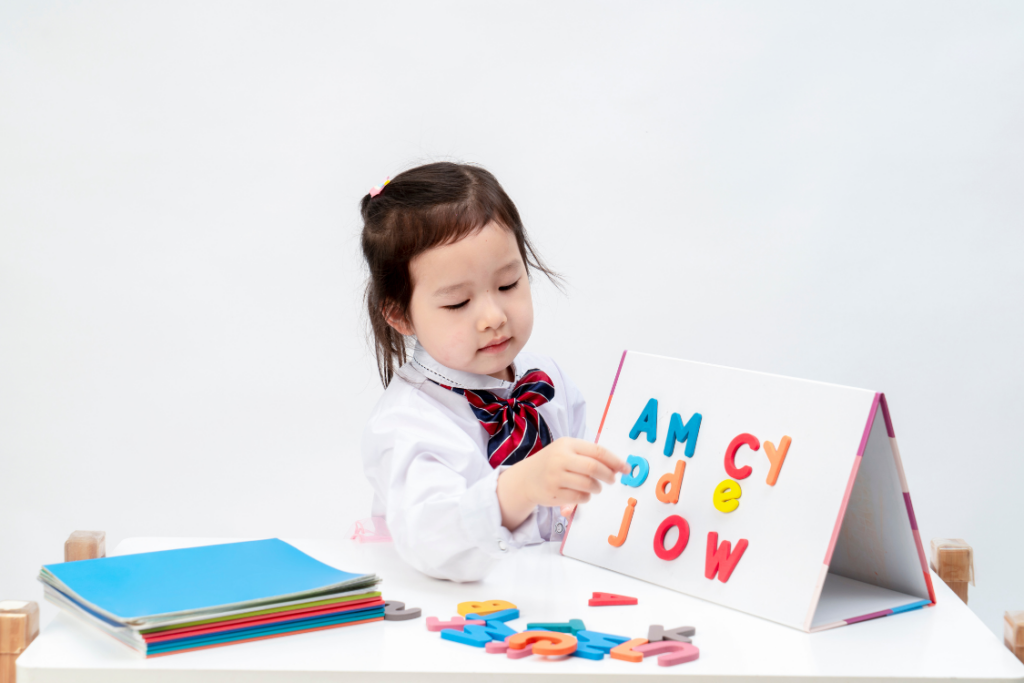





For Teachers

Empower early readers to become students for life.

As an educator, you play a crucial role in children’s literacy development! Effective phonics instruction lays the foundation kids need to become curious, lifelong learners in the classroom and the world beyond.

Whether you’re considering which phonics instruction methods work best or looking for ways to introduce difficult concepts to students, phonics.org is here to support you.  

Phonics Resources for Teachers

types of phonics instruction

The Different Types of Phonics Instruction

Teaching children how to read is a crucial and sometimes complicated process. Phonics instruction...

Orthographic Mapping and Sight Words: Developing Reading Fluency 

Skillful readers can read words effortlessly and automatically with full comprehension. This process often...

Common Phonics Mistakes to Avoid When Teaching

Ahhh, phonics instruction. It’s such a special experience in a child’s education! Helping kids...

Making Phonics Stick: Help Kids Learn Essential Literacy Skills 

Sometimes, it seems like no matter how much you practice with your child or...

Why Explicit Phonics Instruction is So Important

Explicit phonics instruction is vital to literacy development, especially when it’s time for kids...

phonics rules

10 Tricky Phonics Rules to Understand 

The more advanced children become at reading, the more complex certain phonics rules become....

teaching letter sounds effectively to kids

A Guide to Teaching Letter Sounds Effectively

Knowing the connection between letters (graphemes) and sounds (phonemes) is one of the first...

learn to reach decoding in reading for kids

Methods of Effective Decoding in Reading

When children are learning to read, they must be taught how to “sound out”...

what is phonics?

What is Phonics? An Introduction for Parents and Educators

Anyone who can read and write in an alphabetical language has mastered an important...

kids learning phonemic awareness activities

Classroom Phonemic Awareness Activities for Kids

Before learning to read, children must understand their spoken language. The first step in...

Phonics Training Events and Conferences in 2026: Your Complete Guide

Phonics Training Events and Conferences in 2026: Your Complete Guide

2026 brings an exceptional lineup of professional learning opportunities for educators committed to evidence-based phonics instruction. Whether you’re a classroom teacher seeking to refine your skills, a reading specialist supporting…

Holiday Books With Good Phonics Practice: 10 Festive Reads for Emerging Readers

Holiday Books With Good Phonics Practice: 10 Festive Reads for Emerging Readers

The twinkling lights are up, cookies are baking, and your eager young reader wants to dive into every holiday book on the shelf. But here’s the wonderful secret many parents…

Twice-Exceptional Readers: Phonics for Gifted Students with Dyslexia

Twice-Exceptional Readers: Phonics for Gifted Students with Dyslexia

Picture a seven-year-old who can explain the water cycle in stunning detail, design elaborate engineering projects with building blocks, and engage in conversations that rival those of much older children.…

Phonics Professional Development: Programs That Actually Work

Phonics Professional Development: Programs That Actually Work

Rachel teaches first grade in a suburban elementary school. Last year, she watched five of her students struggle through every reading lesson while their classmates progressed steadily. She tried different…

Homeschool Phonics: Choosing and Implementing Programs

Homeschool Phonics: Choosing and Implementing Programs

You open the package with equal parts excitement and dread. Inside sits your investment in your child’s reading future: workbooks, lesson plans, manipulatives, and a teacher’s manual that could stop…

Letter Reversals: Normal Development or Red Flag?

Letter Reversals: Normal Development or Red Flag?

Your kindergartener writes “doy” instead of “boy.” Your first grader reads “was” as “saw.” The letters b and d seem interchangeable in their writing. You wonder: Is this normal? Should…

Phonics Plateau: Why Some Students Stop Progressing

Phonics Plateau: Why Some Students Stop Progressing

Your child was making steady progress. Each week brought new letter sounds, longer words, and growing confidence. Then suddenly, nothing. The forward momentum stopped. Your once-enthusiastic reader now struggles with…

Can Word Games Like Bookworm Support Literacy Development?

Can Word Games Like Bookworm Support Literacy Development?

Your child loves playing Bookworm on your tablet. They’re making long words and racking up points. You’re wondering: Is this actually helping them learn to read? It’s a fair question.…

Reading Mastery vs. Saxon Phonics: Which Delivers Better Results?

Reading Mastery vs. Saxon Phonics: Which Delivers Better Results?

Imagine two classrooms down the hall from each other. Same grade level, similar student demographics, but strikingly different reading outcomes by mid-year. The difference? The phonics program that each teacher…

Phonics and Speech Delays: When Articulation Affects Decoding

Phonics and Speech Delays: When Articulation Affects Decoding

When your child mispronounces words during conversation, you might think it’s adorable—and it often is! But what happens when those same articulation challenges show up during reading lessons? Many parents…