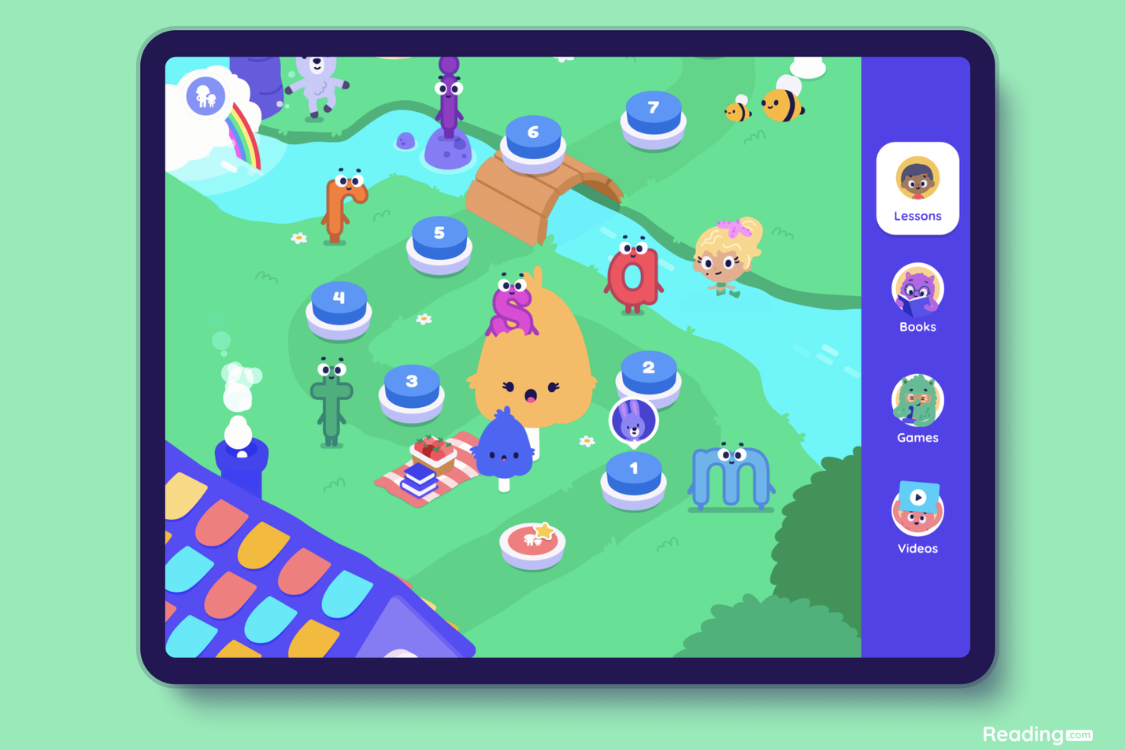
Teaching Phonics to Children with Hearing Impairments

When five-year-old Maya first entered kindergarten with her hearing aids, her teacher wondered how to help her learn phonics alongside her hearing peers. Like many educators and parents, she assumed that traditional phonics instruction wouldn’t work for children with hearing impairments. This common misconception has led to missed opportunities for countless deaf and hard-of-hearing children who could benefit tremendously from systematic phonics instruction when it’s delivered through specialized approaches.

Children with hearing impairments can absolutely learn phonics and become successful readers, but they need instructional methods that capitalize on their visual strengths and accommodate their unique learning needs. The key lies in understanding how to adapt evidence-based phonics instruction rather than abandoning it entirely.

Visual Phonics: Making Sounds Visible

Visual phonics represents one of the most effective adaptations for teaching phonics to children with hearing impairments. This approach uses hand shapes, cues, and written symbols to represent speech sounds in ways that children can see and feel rather than hear. Each phoneme receives a corresponding visual representation that children can learn and apply systematically.

The beauty of visual phonics lies in its systematic nature, which mirrors the explicit instruction that benefits all beginning readers. Children learn to associate hand shapes or visual cues with specific letter sounds, then practice blending these visual representations to decode words. This process follows the same logical sequence as traditional phonics instruction while accommodating the visual learning strengths of deaf and hard-of-hearing students.

Many successful programs combine visual phonics with fingerspelling and written text, creating multiple visual pathways for children to access phonetic information. This multisensory approach reinforces learning through various visual channels while maintaining the systematic progression that characterizes effective phonics instruction.

Collaboration Between Specialists and Families

Successfully teaching phonics to children with hearing impairments requires close collaboration between multiple specialists and family members. Speech-language pathologists, teachers of the deaf, audiologists, and reading specialists each bring unique expertise that contributes to comprehensive phonics instruction.

Parents play a particularly crucial role in this collaborative approach. They can reinforce visual phonics techniques at home, practice systematic letter-sound activities during daily routines, and provide consistent support for their child’s phonics learning. Many parents find that learning visual phonics themselves helps them better support their child’s literacy development.

The most effective programs establish clear communication channels between all team members, ensuring that phonics instruction remains consistent across different settings. Regular meetings, shared goals, and coordinated lesson planning help create a unified approach that maximizes learning opportunities for the child.

Professional development for educators working with deaf and hard-of-hearing students has become increasingly important as research demonstrates the value of adapted phonics instruction. Teachers need training in visual phonics techniques, systematic instructional methods, and ways to assess phonics knowledge in children with hearing impairments.

Assessment strategies must also be adapted to accurately measure phonics learning in deaf and hard-of-hearing students. Traditional assessments that rely on verbal responses may not capture these children’s true understanding of phonetic concepts. Visual response formats, written assessments, and performance-based evaluations provide more accurate pictures of student learning.

Technology Integration and Systematic Progression

Modern technology offers unprecedented opportunities for delivering systematic phonics instruction to children with hearing impairments. Interactive software programs can provide immediate visual feedback, track student progress, and adapt instruction based on individual learning needs while maintaining the systematic progression that characterizes effective phonics teaching.

Visual speech recognition programs allow children to see their own speech patterns and compare them to target sounds, providing valuable feedback for pronunciation development alongside phonics learning. These tools support the connection between visual phonics instruction and actual speech production, strengthening overall communication skills.

Systematic progression remains essential even when using technology-enhanced instruction. Children with hearing impairments need the same careful sequencing of phonics skills as their hearing peers, moving from simple letter-sound relationships to complex phonetic patterns in a logical order. Technology should enhance this systematic approach rather than replace it with random or unstructured activities. The key factors include maintaining explicit instruction, providing systematic skill progression, and ensuring that technology supports rather than distracts from learning objectives.

Programs that combine traditional systematic phonics methods with specialized adaptations and appropriate technology integration show the most promising results. These comprehensive approaches recognize that children with hearing impairments can benefit from the same research-based instructional principles that support all beginning readers when those principles are delivered through accessible methods.

Empower Success Through Specialized Systematic Instruction

Teaching phonics to children with hearing impairments requires specialized approaches, but it absolutely can and should be done. The research is clear that systematic phonics instruction, when properly adapted, provides these children with essential decoding skills that support their overall literacy development and academic success.

The key lies in combining evidence-based systematic instruction with visual, tactile, and technological adaptations that make phonetic concepts accessible to children who learn differently. Through collaboration between specialists and families, consistent use of visual phonics techniques, and appropriate technology integration, children with hearing impairments can develop strong phonics foundations that serve them throughout their educational journey.

Every child deserves the opportunity to become a confident, independent reader. With the right specialized approaches and systematic instruction, children with hearing impairments can achieve reading success that opens doors to lifelong learning and achievement.

Decodable Texts vs. Leveled Readers: Making the Right Choice for Your Child

Did you know that the books your child reads during their early learning years can make or break their reading success? Many parents assume all “beginning reader” books serve the same purpose, but this couldn’t be further from the truth. The choice between decodable texts and leveled readers represents one of the most important decisions you’ll make in your child’s literacy journey, yet most parents don’t even know there’s a difference.

The Science Behind Reading Success

Children who receive systematic, explicit phonics instruction paired with appropriate reading materials achieve significantly better outcomes than those who don’t. The key lies in matching your child’s reading practice to their phonics instruction. When children learn letter-sound relationships systematically, they need books that allow them to practice these specific skills. This is where the distinction between decodable texts and leveled readers becomes crucial for your child’s success.

Understanding Decodable Texts

Decodable texts are carefully crafted books that contain only the phonics patterns your child has already learned. If your child knows the sounds for letters ‘m,’ ‘a,’ ‘t,’ ‘s,’ ‘p,’ and ‘n,’ a decodable text might include simple sentences like “The cat sat on the mat” or “Sam can nap.”

These books prioritize phonetic consistency over literary merit in the early stages. While the stories might seem simple, they serve a powerful purpose: they allow your child to successfully decode every word using their phonics knowledge. This builds confidence and reinforces the connection between letters and sounds that form the foundation of all future reading.

The Leveled Reader Approach

Leveled readers, on the other hand, are organized by perceived difficulty level rather than phonics patterns. These books often include sight words, complex vocabulary, and varied sentence structures that may exceed your child’s current decoding abilities. Publishers typically categorize them using systems like Guided Reading Levels or Lexile scores.

While leveled readers can offer engaging stories and colorful illustrations, they often require children to guess at words using context clues, picture hints, or memorization rather than applying their phonics skills. This approach can actually hinder the development of strong decoding abilities that children need for long-term reading success.

Why Explicit Phonics Instruction Demands Decodable Texts

Explicit phonics instruction follows a systematic sequence, introducing letter-sound relationships in a specific order. Children first learn individual sounds, then practice blending those sounds to read words, and finally apply these skills to connected text. This process requires books that align perfectly with their current knowledge level.

When children encounter words in their reading that they haven’t yet learned to decode, they develop problematic reading habits. They might start guessing based on pictures, using only the first letter of a word, or relying on context clues instead of actually reading. These strategies become crutches that prevent children from developing the automatic decoding skills they need for fluency.

Decodable texts eliminate this problem by ensuring that every word can be sounded out using known phonics patterns. This allows children to practice their phonics skills in context while building reading confidence. As they master more phonics patterns through systematic instruction, the decodable texts gradually introduce new elements, maintaining that crucial connection between teaching and practice.

Make the Transition Work for Your Family

The transition from decodable texts to more complex literature doesn’t happen overnight, and that’s perfectly normal. Most children need consistent practice with decodable texts through first grade and sometimes into second grade, depending on their individual pace of learning.

Start by ensuring your child has solid phonics instruction, whether through school, a tutor, or a systematic home program. Then match their reading practice to their current phonics knowledge using decodable texts. As they master more phonics patterns, you can gradually introduce books with more complex vocabulary and sentence structures.

Many parents worry that decodable texts are too simplistic or boring for their children. However, remember that these books serve a specific instructional purpose during a critical learning phase. Once your child develops strong decoding skills through systematic practice, they’ll be able to enjoy any book they choose with confidence and independence.

Consider supplementing decodable reading practice with rich read-alouds of engaging literature. This approach gives your child exposure to complex vocabulary and compelling stories while they’re still building their independent reading skills through phonics-based texts.

Decode, Then Level Up

Making the right choice between decodable texts and leveled readers isn’t just about short-term reading success—it’s about building the foundation for lifelong literacy. Children who develop strong decoding skills through systematic phonics instruction and appropriate reading practice become confident, independent readers who can tackle any text they encounter.

Remember that every child progresses at their own pace, but the principles remain consistent. Explicit phonics instruction combined with decodable reading practice provides the most direct path to reading success. Trust the science, be patient with the process, and celebrate your child’s progress along the way.

For more evidence-based strategies to support your child’s reading development and reviews of effective phonics programs, visit phonics.org on the regular. Our literacy experts share the latest research and practical guidance for parents committed to raising strong readers.

Phonics Assessment Tools: How to Measure Reading Progress Effectively

The journey to reading proficiency isn’t linear—it’s filled with plateaus, leaps forward, and occasional steps back. This natural variability makes systematic assessment not just helpful but essential. When we regularly measure phonics skills with appropriate tools, we gain invaluable insights that guide our instruction, identify struggling readers early, and celebrate genuine progress.

The Science Behind Effective Phonics Assessment

Effective phonics assessment is grounded in our scientific understanding of how children learn to read. The simple view of reading, a framework supported by decades of research, tells us that reading comprehension is the product of two essential components: 

  1. Decoding skills
  2. Language comprehension

Phonics assessment specifically targets the decoding component, measuring how well children can apply their knowledge of letter-sound relationships to read words. So, what makes a phonics assessment effective? 

The National Reading Panel identifies several key characteristics:

  • It must be valid (measuring what it claims to measure)
  • It must be reliable (producing consistent results)
  • It must be sensitive enough to detect small increments of growth
  • It must align with evidence-based reading instruction

Essential Phonics Assessment Tools for Different Grade Levels

Early Literacy Screeners (Pre-K and Kindergarten)

PALS-K (Phonological Awareness Literacy Screening for Kindergarten) 

This comprehensive assessment evaluates rhyme awareness, beginning sound awareness, alphabet knowledge, letter-sound knowledge, and concept of word. It typically takes 20-25 minutes per student and provides clear benchmarks for kindergarten readiness.

DIBELS 8th Edition (Dynamic Indicators of Basic Early Literacy Skills) 

The updated DIBELS assessment includes measures of first sound fluency, letter naming fluency, and phoneme segmentation fluency—all critical precursors to phonics mastery. Each subtest takes just 1-3 minutes, making this an efficient screening tool.

PAST (Phonological Awareness Screening Test) 

This free, individually administered assessment evaluates phonological awareness at increasingly complex levels. It helps identify specific areas of phonological processing that may need targeted instruction before formal phonics teaching.

Core Phonics Assessments (Grades K-2)

CORE Phonics Survey 

This comprehensive assessment evaluates alphabet skills, reading and spelling of CVC words, blends, digraphs, and more complex phonics patterns. Taking about 10-15 minutes per student, it provides a detailed profile of phonics knowledge.

Phonics and Word Reading Survey (PWRS) 

Developed by literacy expert Timothy Shanahan, this assessment evaluates students’ ability to apply phonics knowledge when reading words in isolation. It systematically samples different phonics patterns to identify specific areas of strength and weakness.

Really Great Reading’s Diagnostic Decoding Surveys 

These assessments evaluate students’ ability to decode words with various phonics features. They help identify whether students struggle with basic sound-symbol correspondence, blending, or applying phonics knowledge to multisyllabic words.

Advanced Phonics and Decoding Assessments (Grades 2-3)

Words Their Way Spelling Inventories 

These assessments evaluate students’ knowledge of more complex orthographic patterns through spelling. Results place students at specific developmental stages and guide appropriate instruction.

TOWRE-2 (Test of Word Reading Efficiency) 

This norm-referenced test measures word reading accuracy and fluency, with distinct subtests for sight word efficiency and phonemic decoding efficiency. It helps identify students who can decode accurately but lack automaticity.

Quick Phonics Screener (QPS) 

This assessment evaluates phonics knowledge from basic CVC words through multisyllabic words with various syllable types. It’s particularly useful for identifying specific phonics patterns that older struggling readers haven’t mastered.

Create a Balanced Assessment System: Formal and Informal Measures

A truly effective assessment system balances formal measures with ongoing informal assessment to capture both the big picture of student progress and the day-to-day fluctuations in skill application.

Formal Assessment Components

Universal Screeners (3 times per year) 

These brief assessments identify students who may be at risk for reading difficulties. They’re typically administered to all students at the beginning, middle, and end of the school year. Examples include DIBELS, AIMSweb, and MAP Reading Fluency.

Diagnostic Assessments (as needed) 

When screening indicates potential concerns, diagnostic assessments provide more detailed information about specific skill deficits. These might include comprehensive phonics inventories, phonological awareness tests, or more specific decoding measures.

Progress Monitoring (biweekly to monthly) 

For students receiving intervention, regular progress monitoring using parallel forms of assessment helps determine whether the intervention is working. Tools like DIBELS Progress Monitoring passages or curriculum-based measurements track growth over time.

Informal Assessment Approaches

Running Records 

These provide in-the-moment information about how students apply phonics knowledge during connected reading. Note which phonics patterns cause decoding difficulties and whether students self-correct errors.

Word Sorts 

Observing how students categorize words by phonics patterns can reveal their understanding of sound-symbol relationships. Pay attention to their reasoning and any consistent misconceptions.

Teacher-Created Check-ins 

Brief, targeted assessments of recently taught phonics patterns help determine whether whole-class instruction was effective or whether some students need reteaching. These might be simple dictation tasks or quick word-reading checks.

Anecdotal Notes 

Systematic observation during phonics application activities provides valuable insights about the transfer of skills. Create a simple recording system to document which students consistently apply which phonics patterns.

Interpret Assessment Data to Drive Instruction

Collecting assessment data is only valuable if we use it effectively to inform instruction. Here’s a systematic process for turning assessment results into actionable teaching plans:

Step 1: Analyze Patterns, Not Just Scores

Look beyond the numbers to identify specific skill strengths and gaps:

  • Which phonics patterns has the student mastered?
  • Which patterns cause consistent errors?
  • Are errors related to specific phonemes, blending, or application?
  • Does performance differ between reading and spelling tasks?

Step 2: Group Students by Instructional Needs

Based on assessment results, create flexible groups for targeted instruction:

  • Students with similar phonics needs can be grouped for focused small-group work
  • Consider both skill level and learning pace when forming groups
  • Plan for regular reassessment and regrouping as students progress at different rates

Step 3: Match Instruction to Assessment Findings

Design targeted instruction that directly addresses identified needs:

  • If assessment shows students struggle with consonant blends, plan explicit lessons on these patterns
  • If students can decode accurately but slowly, focus on building automaticity through repeated reading of decodable texts
  • If students apply phonics in isolation but not in context, provide more connected reading practice with controlled text

Step 4: Set Clear, Measurable Goals

Establish specific targets based on assessment results:

  • “Jasmine will accurately decode words with r-controlled vowels in 8 out of 10 attempts by November 15.”
  • “The yellow group will increase nonsense word fluency from 15 correct letter sounds per minute to 25 by mid-trimester.”
  • “Carlos will apply knowledge of digraphs while reading connected text with 90% accuracy.”

Step 5: Monitor Progress Regularly

Determine appropriate intervals for reassessment:

  • Students significantly below the benchmark may need weekly progress monitoring
  • Students approaching benchmarks might be monitored biweekly or monthly
  • Use brief, targeted measures rather than readministering comprehensive assessments

Support Struggling Readers: Assessment for Intervention

For students who struggle with phonics acquisition, more intensive assessment approaches help pinpoint the nature of their difficulties and guide appropriate intervention.

Diagnostic Depth for Struggling Readers

Phonological Awareness Diagnostics 

Tools like the Comprehensive Test of Phonological Processing (CTOPP-2) help determine whether phonological processing deficits underlie phonics difficulties. This is particularly important since approximately 85% of struggling readers have phonological weaknesses.

Error Pattern Analysis 

Systematically analyze decoding errors to identify patterns. Does the student consistently confuse certain vowel sounds? Omit endings? Struggle with specific consonant blends? These patterns guide targeted intervention.

Rapid Automatized Naming (RAN) Assessment 

Measures of naming speed help identify students with potential double deficits (difficulties with both phonological processing and rapid naming), who often require more intensive intervention approaches.

Creating Effective Intervention Plans

Assessment results should translate directly into intervention design:

Intensity Variables

  • Frequency: How many days per week?
  • Duration: How many minutes per session?
  • Group size: Individual, small group (2-3), or larger group (4-6)?

Content Focus

  • Targeted phonics patterns identified in the assessment
  • Prerequisite skills that may be missing
  • Application in controlled, decodable text

Instructional Approach

  • Highly explicit and systematic
  • Multisensory when possible
  • Higher levels of repetition and practice
  • Cumulative review of previously taught skills

Technology-Enhanced Assessment Tools: Efficiency and Insight

Modern phonics assessment has been transformed by technology, offering both efficiency and deeper insights into student learning:

Adaptive Digital Assessments 

Platforms like MAP Reading Fluency use adaptive technology to efficiently measure phonics skills, automatically adjusting difficulty based on student responses to pinpoint instructional levels in minutes rather than hours.

Automated Progress Monitoring 

Tools like AIMSweb Plus and Acadience Learning Online provide digital delivery of traditional measures, with automated scoring and immediate data visualization to track progress over time.

Comprehensive Digital Literacy Platforms 

Systems like i-Ready, Lexia Core5, and Amplify mCLASS integrate assessment with instruction, providing both screening measures and ongoing formative assessment tied directly to digital learning activities.

When evaluating technology-enhanced assessment options, consider:

  • Alignment with the science of reading principles
  • Technical adequacy (reliability and validity evidence)
  • User experience for both teachers and students
  • Data reporting features and actionability
  • Integration with existing curriculum and intervention systems

Build a Culture of Assessment for Growth

The most effective schools approach phonics assessment not as a compliance exercise but as a core component of their instructional culture:

Professional Learning Communities

Create structured opportunities for teachers to collaboratively analyze assessment data:

  • Grade-level teams meet regularly to review class-wide and individual student data
  • Vertical teams ensure consistent assessment and instructional responses across grade levels
  • Data meetings follow protocols that move from analysis to action planning

Parent Communication

Share assessment information with families in accessible ways:

  • Translate technical assessment terms into parent-friendly language
  • Provide visual representations of student progress over time
  • Connect assessment results to specific home support activities
  • Celebrate growth and improvement, not just benchmark achievement

Student Involvement

Engage students in understanding their own assessment data:

  • Develop age-appropriate ways for students to track their own progress
  • Help students set personal goals based on assessment results
  • Teach students to recognize their phonics strengths and areas for growth
  • Create a classroom culture that values improvement over perfection

Assessment as the Compass for Reading Success

Effective phonics assessment provides the roadmap for teaching reading well. When we systematically measure students’ developing phonics skills with appropriate tools, we gain the insights needed to deliver precise, targeted instruction that moves every child forward.

The most powerful assessment systems balance efficiency with depth, formal measures with informal observations, and technological tools with teacher expertise. They prioritize actionable information over mere data collection and connect assessment directly to instructional response.

As you refine your approach to phonics assessment, remember that the ultimate goal extends beyond measurement to transformation—creating confident, capable readers who apply their phonics knowledge automatically as they engage with increasingly complex texts.

For more guidance on evidence-based literacy assessment and instruction, continue exploring the resources available at Phonics.org. Our team is committed to helping educators and parents implement assessment practices that illuminate the path to reading success for every child.

Phonics Games for the Classroom: 10 Teacher-Approved Activities

Learning to read shouldn’t feel like a chore. When children associate reading with enjoyment, they’re more likely to develop into lifelong readers who approach books with enthusiasm rather than dread. This is where phonics games enter the picture, transforming what could be mundane letter-sound practice into engaging, memorable learning experiences that children eagerly anticipate.

Research consistently shows that playful learning environments enhance knowledge retention. The magic happens when children are so engrossed in play that they don’t realize they’re cementing critical literacy skills that will serve them throughout their lives.

The Science Behind Gamified Phonics Learning

The effectiveness of games in phonics instruction isn’t just anecdotal—it’s rooted in cognitive science. When children play games, their brains release dopamine, a neurotransmitter associated with pleasure and motivation. This creates a positive learning environment where children are more receptive to new information and more likely to persist through challenges.

Educational research has consistently demonstrated that gamified learning creates multiple neural pathways in the brain. When students engage with phonemic concepts through visual, auditory, and kinesthetic activities, they develop stronger connections and better retention. This multi-sensory approach is particularly beneficial for struggling readers who need diverse ways to process information.

Games also support differentiated instruction, allowing teachers to address various learning needs simultaneously. While playing in small groups, children who need additional support can receive it without feeling singled out, while advanced students can be challenged with more complex variations of the same game.

Top 10 Phonics Games That Actually Work

1. Sound Hopscotch

Transform your classroom floor into a phonics learning station with Sound Hopscotch. Draw or tape a traditional hopscotch grid, but instead of numbers, write target letters, digraphs, or blends in each square. As children hop, they must pronounce the sound represented in each square. For advanced learners, have them generate a word using that sound before hopping to the next square.

Materials needed: Chalk, masking tape, or printed letters laminated for durability 

Skills addressed: Letter-sound correspondence, phoneme isolation 

Adaptation for struggling readers: Start with just five squares using highly distinguishable sounds

2. Phoneme Fishing

Fill a small kiddie pool or box with magnetic letters and provide children with fishing rods made from dowels, string, and magnets. Call out specific sounds, and children must “fish” for the corresponding letters. For added challenge, call out words and have students fish for all the letters needed to spell them.

Materials needed: Magnetic letters, homemade fishing rods, container 

Skills addressed: Letter-sound correspondence, phoneme segmentation 

Group size: 3-4 students

3. Blend Card Relay

Divide students into teams and place letter cards at one end of the room. Call out a word, and one student from each team runs to select the letters needed to spell it, bringing them back one at a time. The first team to correctly blend and read the assembled word wins the round.

Materials needed: Letter cards (preferably large format) 

Skills addressed: Blending, letter-sound correspondence, teamwork 

Best for grades: K-2

4. Sound Sorting Treasure Hunt

Hide objects or picture cards around the classroom. Children search for items, then sort them into containers labeled with different beginning sounds, vowel patterns, or rhyme, depending on your instructional focus.

Materials needed: Small objects or picture cards, labeled containers 

Skills addressed: Phoneme categorization, initial/medial/final sound identification 

Adaptation: For advanced students, use multiple phonemic features for sorting

5. Phonics Bingo

Create bingo cards with target phonics patterns instead of numbers. Call out words that contain these patterns, and students mark the corresponding square. The first to complete a row wins. This classic game can be easily adapted for different phonics skills.

Materials needed: Custom bingo cards, markers 

Skills addressed: Pattern recognition, phoneme identification 

Versatility: Can focus on blends, digraphs, vowel patterns, or syllable types

6. Sound Swap

Students sit in a circle, each holding a letter card. The teacher reads a word, and students with the relevant letters must arrange themselves to spell it. Then call out a new word that can be made by changing just one letter, and students must rearrange accordingly. For example, “cat” to “hat” to “hit” to “hip.”

Materials needed: Large letter cards 

Skills addressed: Phoneme manipulation, spelling patterns 

Group size: 6-10 students

7. Nonsense Word Challenge

Create cards with decodable nonsense words. Students take turns drawing cards and reading the made-up words using their phonics knowledge. Award points for accurate decoding, with bonus points for creating a silly definition or using the nonsense word in a sentence.

Materials needed: Nonsense word cards 

Skills addressed: Decoding, phoneme blending 

Why it works: Nonsense words prevent reliance on memorization and ensure students are truly applying phonics skills

8. Phonics Scavenger Hunt

Create a list of phonics features (e.g., “something with a short ‘a’ sound” or “something with the ‘sh’ digraph”). Students explore the classroom or school to find and document items that match each criterion, either by writing them down or taking photos if devices are available.

Materials needed: Scavenger hunt lists, writing materials or devices 

Skills addressed: Real-world application of phonics knowledge, phoneme identification 

Extension: Can be sent home as a family engagement activity

9. Sound Slap

Place letter cards or phonics pattern cards on a table. Call out a sound or word containing a target pattern, and students race to slap the corresponding card. The first to correctly identify the phonics element keeps the card, with the goal of collecting the most cards.

Materials needed: Letter or phonics pattern cards 

Skills addressed: Quick phonics recognition, auditory processing 

Small group size: 2-4 students

10. Phonics Board Games

Adapt classic board games like Candyland or Chutes and Ladders with phonics challenges. To move spaces, students must read words, identify sounds, or complete phonics tasks appropriate to their level. Commercial options exist, but teacher-created versions can be perfectly tailored to your classroom’s current focus.

Materials needed: Adapted board game, challenge cards 

Skills addressed: Various phonics skills depending on design 

Flexibility: Easily adaptable for different skill levels and phonics elements

Implement Games Effectively in Your Phonics Curriculum

While phonics games are unquestionably valuable, they’re most effective when thoughtfully integrated into a comprehensive literacy program. The Science of Reading reminds us that systematic, explicit phonics instruction forms the backbone of effective reading education. Games should enhance—not replace—this structured approach.

Consider using games at strategic points in your instructional sequence: as engaging warm-ups to introduce new concepts, as practice activities to reinforce recently taught skills, or as assessment tools to gauge understanding in a low-pressure environment.

When selecting games, ensure alignment with your current instructional focus. If you’re teaching short vowel sounds, prioritize games that specifically target this skill. This intentional alignment strengthens the connection between explicit instruction and playful practice.

Also, consider the grouping implications of different games. Some activities work best with partners, small groups, or whole-class participation. Strategic grouping can address specific learning needs—pairing struggling readers with supportive peers or creating homogeneous skill groups for targeted practice.

Differentiating Phonics Games for All Learners

One of the greatest strengths of game-based learning is its adaptability for diverse learning needs. With thoughtful modifications, the same basic game structure can challenge advanced readers while supporting those still mastering foundational skills.

For struggling readers, consider these adaptations:

  • Reduce the number of phonics elements addressed in each game session
  • Provide visual supports, such as sound-spelling cards, for reference
  • Allow more processing time by adjusting game pacing
  • Use larger print and high-contrast materials for visual clarity
  • Pre-teach key concepts before game play

For advanced readers:

  • Introduce more complex phonics patterns or multisyllabic words
  • Add time constraints to build automaticity
  • Include writing components alongside reading activities
  • Challenge students to generate their own examples
  • Incorporate unfamiliar words to push vocabulary development

English language learners benefit from games that:

  • Include visual representations alongside text
  • Explicitly connect to vocabulary development
  • Provide opportunities to hear correct pronunciation
  • Allow for choral responses before individual turns
  • Incorporate physical movement to reinforce meaning

How to Know Your Phonics Games Are Working

While the smiles and engagement during game time provide immediate feedback, intentional assessment helps ensure these activities are driving actual learning outcomes. The most effective teachers regularly gather data on student progress, using both formal and informal measures.

Before implementing new phonics games, establish baseline performance on target skills. This might involve quick checks of letter-sound knowledge, nonsense word reading fluency, or application of specific phonics patterns in writing. After several weeks of incorporating games targeting these skills, reassess to measure growth.

Dynamic Indicators of Basic Early Literacy Skills (DIBELS) offer research-validated tools for monitoring phonics progress. These brief assessments can be administered periodically to track improvement in areas like phoneme segmentation fluency and nonsense word fluency—both critical indicators of phonics mastery.

Beyond formal assessments, observe students during game play. 

  • Are they applying the target skill correctly? 
  • Do they show increasing confidence and speed? 
  • Are they beginning to self-correct errors? 

These observations provide valuable information about the effectiveness of your game-based instruction.

Parent feedback can also reveal the impact of your phonics games. When children spontaneously point out phonics patterns in environmental print or eagerly practice reading at home, you’re seeing evidence that your classroom games are fostering a transfer of skills to 

Make Phonics Games Part of Your Teaching Toolkit

The most successful implementation of phonics games happens when they become an integrated, expected part of your literacy instruction rather than occasional “special” activities. Consider establishing a predictable routine for game-based practice, perhaps during small group rotations or as a whole-class activity to start or end the literacy block.

Create a designated area in your classroom for phonics games, with materials organized and accessible. This might be a shelf labeled “Phonics Fun” or activity bins coded by skill. When students can independently access appropriate games during choice time or center rotations, you’re fostering both literacy skills and student autonomy.

Document your most successful games in a teaching journal, noting specific adaptations that worked well for different students. This reflective practice helps refine your approach over time and builds a personalized resource you can share with colleagues or refer to in subsequent years.

Remember that while the games themselves are important, your enthusiasm and engagement as the teacher significantly impact their effectiveness. When you model enjoyment of phonics activities, students are more likely to develop positive associations with reading instruction.

Game On for Reading Success

The research is clear: when children enjoy learning, they learn better. Phonics games transform potentially dry skill practice into engaging experiences that children eagerly anticipate. By thoughtfully selecting and implementing these activities, you’re not just teaching letter-sound correspondence—you’re fostering a love of language that can last a lifetime.

As you incorporate these games into your classroom, remember that the goal extends beyond phonics mastery to developing confident, enthusiastic readers. The laughter during Sound Hopscotch and the focused concentration during Phonics Bingo are stepping stones toward this larger aim.

For more creative, evidence-based literacy activities and the latest research on effective phonics instruction, regularly visit Phonics.org. Our team is committed to supporting your teaching journey with practical tools and trusted information that help all children become successful readers.

What is a Phoneme?

Have you ever wondered why your child can recognize the letter ‘B’ but struggles to connect it with the sound it makes? Or why sounding out words like “ship” and “fish” seems particularly challenging? The answer lies in understanding phonemes, the smallest units of sound that form the foundation of spoken language. As parents, knowing about phonemes isn’t just educational trivia—it’s a powerful tool that can transform how you support your child’s reading journey.

What Exactly is a Phoneme?

Imagine language as a magnificent building. Words are the rooms, syllables are the walls, and phonemes? They’re the individual bricks that make everything else possible. Phonemes are the smallest units of sound in spoken language that distinguish one word from another. In the English language, we have approximately 44 phonemes, represented by the 26 letters of our alphabet in various combinations.

For example, the word “cat” consists of three phonemes: /k/ (represented by the letter ‘c’), /a/, and /t/. Change just one phoneme—say, from /k/ to /b/—and you get an entirely different word: “bat.” This ability to distinguish between phonemes is crucial for reading development because it forms the foundation of the alphabetic principle—the understanding that letters represent sounds.

According to a study by the National Reading Panel, phonemic awareness (the ability to identify and manipulate phonemes) is one of the strongest predictors of reading success. Children who develop strong phonemic awareness skills typically learn to read more easily and effectively than those who don’t.

Why Phonemes Matter for Your Child’s Reading Success

When your child learns to read, they’re essentially learning to decode written symbols (letters) into meaningful sounds (phonemes) that form words. This process, known as phonics, builds on the foundation of phonemic awareness.

Think about it this way: before your child can understand that the letter ‘B’ makes the /b/ sound, they need to recognize that the /b/ sound exists as a distinct unit in words like “ball,” “bat,” and “bubble.” Without this awareness, connecting letters to sounds becomes significantly more challenging.

Children with strong phonemic awareness skills:

  • Learn to read more quickly
  • Have better reading comprehension
  • Develop stronger spelling skills
  • Are less likely to experience reading difficulties later in education

Most importantly, developing phonemic awareness is something you can actively support at home, even without specialized training. By understanding what phonemes are and how they work, you can engage in playful activities that strengthen this crucial pre-reading skill.

Common Challenges with Phonemes

Not all phonemes are created equal, and some present unique challenges for young learners:

Vowel Sounds

English has approximately 20 vowel phonemes but only five vowel letters (a, e, i, o, u), making vowel sounds particularly tricky. For instance, the letter ‘o’ represents different phonemes in “hot,” “home,” and “wood.”

Consonant Blends and Digraphs

Consonant blends like /bl/ in “blue” combine two phonemes pronounced in quick succession. Digraphs like /sh/ in “ship” represent a single phoneme using two letters. Both concepts can be confusing for beginners.

The Schwa Sound

The schwa, represented by /ə/, is the most common vowel sound in English (as in the ‘a’ in “about” or the ‘e’ in “taken”). Its prevalence and variability make it challenging for emerging readers.

Understanding these challenges helps you provide targeted support when your child encounters difficulty with particular sounds or sound combinations.

How to Support Phoneme Development at Home

The good news is that helping your child develop phonemic awareness can be both effective and enjoyable. Here are practical activities you can incorporate into your daily routine:

1. Sound Isolation Games

Ask your child to identify the first, middle, or last sound in words. Start with simple words like “cat” (/k/ /a/ /t/) and gradually increase difficulty.

“What’s the first sound you hear in ‘sun’?” (/s/) “What’s the last sound in ‘dog’?” (/g/)

2. Sound Blending Activities

Say individual phonemes slowly and ask your child to blend them into a word: “/m/ /a/ /p/ – what word am I saying?” (map) “/s/ /i/ /t/” (sit)

3. Sound Segmentation Practice

Have your child break words into individual phonemes: “Can you tell me all the sounds in ‘fish’?” (/f/ /i/ /sh/) “What sounds do you hear in ‘stop’?” (/s/ /t/ /o/ /p/)

4. Phoneme Manipulation Games

Challenge your child to change one phoneme in a word to create a new word: “Let’s start with ‘cat.’ If we change the /k/ sound to /b/, what new word do we make?” (bat) “What happens if we change the /a/ in ‘hat’ to /o/?” (hot)

According to the International Literacy Association, just 5-10 minutes of daily phonemic awareness practice can significantly improve a child’s reading readiness. Remember to keep these activities playful and positive—the goal is to instill a love of language while building crucial skills.

The Connection Between Phonemes and Reading Fluency

As your child progresses from recognizing individual phonemes to blending them into words, you’ll notice improvements in their reading fluency. Fluent readers automatically process phonemes without conscious effort, allowing them to focus on comprehension rather than decoding.

The path typically looks like this:

  1. Phonemic awareness: Recognizing individual sounds in words
  2. Alphabetic principle: Understanding that letters represent those sounds
  3. Decoding: Using letter-sound relationships to sound out words
  4. Automatic word recognition: Reading words quickly without sounding them out
  5. Reading fluency: Reading smoothly with appropriate speed and expression

By supporting your child’s phonemic awareness at home, you’re helping them build the neural pathways necessary for fluent reading. These skills transfer to all reading activities, whether they’re reading a decodable text from school or enjoying a picture book at bedtime.

Check out our article on phonics instruction for more information on how phonemic awareness fits into the broader reading development picture.

Tools and Resources to Support Phoneme Recognition

In addition to the activities mentioned above, several tools can support your child’s phonemic awareness development:

Multisensory Materials

  • Letter tiles or magnets that allow children to physically manipulate letters as they work with sounds
  • Sound boxes (drawn squares where children can place a counter for each phoneme they hear)
  • Phoneme-grapheme mapping charts that show the relationship between sounds and letters

Quality Phonics Programs

If you’re seeking more structured support, look for programs that explicitly teach phonemic awareness. Our phonics program reviews can help you identify high-quality options that align with the science of reading.

Support Your Child’s Phonemic Journey

Understanding phonemes is the first step in helping your child become a confident reader. By recognizing these fundamental sound units, you’ve gained valuable insight into how reading actually works in the developing brain.

Remember that phonemic awareness develops gradually, and every child progresses at their own pace. The most important thing is to make sound play a regular, enjoyable part of your interactions with your child. Through games, stories, and everyday conversations, you’re building the foundation for literacy success.

Visit Phonics.org regularly for more practical strategies and evidence-based resources to support your child’s reading development. Our team is committed to helping parents understand the science behind reading so you can confidently guide your child’s literacy journey.

What is Inference? Helping Young Readers Become Critical Thinkers

Your five-year-old is listening to you read “Little Red Riding Hood.” When the wolf appears dressed as Grandma, your child exclaims, “That’s not Grandma! It’s the wolf trying to trick her!” In this moment, your child has just demonstrated inference—a critical thinking skill that forms the foundation of reading comprehension long before they can decode words independently. While we often associate inference with older students analyzing complex texts, this vital skill begins developing in the earliest stages of literacy.

What is Inference and Why Does it Matter for Young Readers?

Inference is the ability to “read between the lines”—to understand information that isn’t directly stated but is implied by context, prior knowledge, and clues within the text. It’s the mental process of connecting what we know with what we observe to draw logical conclusions.

For young children, inference begins with everyday observations: “Mommy has her keys and purse. We must be going somewhere!” This natural detective work forms the cognitive foundation for later reading comprehension.

The building blocks of inference begin developing during the pre-reading stage, when children are learning to make connections between their experiences and the stories they hear. Essentially, inference is the process of connecting new information with existing knowledge. It’s how we bridge what we don’t know with what we already know to create understanding.

For parents and teachers of pre-readers and early readers, understanding inference means recognizing it as an essential skill that develops alongside—not after—basic decoding abilities.

Signs Your Child is Developing Inference Skills

Children naturally begin making inferences long before they can read independently. Watch for these promising signs that your young learner is developing this critical thinking skill:

During Storytime

  • Predicts what might happen next in a story
  • Notices when a character’s feelings change based on illustrations or story events
  • Explains why a character might have acted in a certain way
  • Recognizes cause-and-effect relationships that aren’t explicitly stated

In Everyday Life

  • Uses background knowledge to make connections (“It’s cloudy. We might need umbrellas.”)
  • Notices patterns and makes predictions based on observations
  • Asks “why” questions that demonstrate curiosity about unstated information
  • Solves simple problems by connecting available information

These natural behaviors demonstrate that your child is already practicing inference—a skill you can intentionally nurture to support their reading development.

How Inference Connects to Other Early Reading Skills

While phonics and decoding often take center stage in early reading instruction, comprehension skills like inference play an equally important role in developing proficient readers. Here’s how inference connects to other foundational literacy skills:

Vocabulary Development

Children use inference to determine the meaning of unfamiliar words by using context clues. When they encounter a new word, they use surrounding words, pictures, and their background knowledge to make educated guesses about what it means.

Phonemic Awareness and Phonics

As children learn that letters represent sounds, they use inference to apply decoding patterns to new words. After learning that ‘c’ can make a /k/ sound, they might infer that an unfamiliar word like “cat” begins with that same sound.

Reading Comprehension

Inference is one of the most critical components of successful reading. Educational research consistently shows that without the ability to infer meaning, reading becomes merely a mechanical exercise in decoding words without true understanding.

Practical Activities to Develop Inference Skills in Young Children

Helping your pre-reader or early reader develop inference skills can be both fun and effective with these age-appropriate activities:

1. Picture Book Detective

Choose wordless picture books or books with limited text and encourage your child to “read” the story by interpreting the illustrations. Ask questions like:

  • “What do you think is happening in this picture?”
  • “How do you think this character feels? How can you tell?”
  • “What might happen on the next page? Why do you think that?”

2. Mystery Box

Place an object in a box and give your child clues about what’s inside. For example: “It’s round, it bounces, and you can play with it outside.” As they guess, ask them to explain their reasoning—this metacognitive practice strengthens inference skills.

3. Emotion Detectives

Cut out pictures of people showing different emotions from magazines. Ask your child to identify how the person feels and what clues helped them know. Extend the activity by asking them to imagine what might have happened to make the person feel that way.

4. Prediction Pauses

While reading a story aloud, pause at key moments and ask, “What do you think will happen next?” After they predict, ask, “What made you think that?” This helps children identify the clues they’re using to make inferences.

5. Real-Life Inference Practice

Point out everyday situations that require inference: “I see puddles on the ground. What do you think happened while we were sleeping?” or “Look at those birds flying south. What season do you think is coming?”

Activities that encourage prediction and logical reasoning support not only literacy skills but also executive function—the brain’s ability to focus, remember instructions, and juggle multiple tasks.

Support Inference Skills When Reading With Your Child

The way you read with your child can significantly impact their inference development. Try these strategies during your next storytime:

Ask Open-Ended Questions

Instead of yes/no questions, ask “why” and “how” questions that encourage deeper thinking:

  • “Why do you think the character made that choice?”
  • “How do you think the problem might get solved?”
  • “What might the character be thinking right now?”

Think Aloud

Model inference by sharing your own thought process: “Hmm, the illustration shows dark clouds and people carrying umbrellas. I’m inferring it’s about to rain in the story, even though the words don’t say that directly.”

Connect to Prior Knowledge

Help your child link new information to what they already know: “Remember when we saw that butterfly emerge from its chrysalis? This story reminds me of that because…”

Discuss Implied Information

Point out when authors don’t explicitly state information: “The story doesn’t say she’s sad, but we can tell she is because she’s crying in the picture.”

Common Challenges and How to Address Them

As you support your child’s inference development, you might encounter these common challenges:

Literal Thinking

Young children naturally tend toward literal interpretations. If your child focuses only on explicitly stated information, gently guide them toward implied meanings through questions and modeling.

Limited Background Knowledge

Inference requires connecting new information to prior knowledge. Expand your child’s experiences through conversations, outings, videos, and diverse reading materials to build the knowledge base they’ll draw from when making inferences.

Difficulty Articulating Reasoning

Children often make accurate inferences but struggle to explain their thinking. Provide sentence starters like “I think ___ because ___” to help them verbalize their reasoning process.

Balance Explicit Reading Instruction

Balanced literacy instruction should include both explicit phonics instruction and comprehension strategies like inference.  Supporting children as they develop these higher-level thinking skills requires consistent practice and guidance, but the long-term benefits for reading success make it well worth the investment.

Remember that inference skills develop gradually alongside other reading skills—celebrate small successes and maintain a playful, curious approach to learning.

When to Seek Additional Support

While inference skills develop at different rates, some persistent difficulties might warrant additional attention:

  • Consistent trouble understanding implied meanings in simple stories
  • Difficulty connecting related information within a story
  • Inability to use context clues to make logical guesses
  • Struggles with cause-and-effect relationships

If you notice these challenges persisting, consider consulting with your child’s teacher or a reading specialist. Early intervention can make a significant difference in supporting comprehension development.

Build a Foundation for Lifelong Reading Success

Understanding inference and how to nurture it gives you a powerful tool for supporting your young reader’s literacy development. By weaving inference-building activities into everyday interactions, you’re helping your child develop critical thinking skills that will benefit them throughout their reading journey and beyond.

The beauty of inference is that it connects reading to thinking—the ultimate goal of literacy education. As you support your child’s inference skills, you’re not just helping them become better readers; you’re helping them become better thinkers.

Visit Phonics.org regularly for more evidence-based strategies to support your child’s reading development. Our resources help you navigate every aspect of the literacy journey, from phonemic awareness to advanced comprehension skills like inference.

What Are Graphic Novels? Connecting Visual Storytelling to Phonics Instruction

Picture this: Your reluctant reader who struggles with phonics suddenly can’t put down a book. They’re engrossed, sounding out words, making predictions, and actually enjoying reading. What magical transformation has occurred? For many children, graphic novels provide this breakthrough moment, creating a bridge between visual storytelling and traditional literacy skills.

As graphic novels continue to gain prominence in classrooms and libraries across the country, many parents and teachers wonder: How do these highly visual texts fit into explicit phonics instruction? Can colorful panels and speech bubbles really support foundational reading skills? The answer is a resounding yes—when used thoughtfully and strategically.

What Is a Graphic Novel?

Before diving into educational applications, let’s clarify what graphic novels actually are. Graphic novels are book-length stories told through a combination of text and sequential art. Unlike comic books, which typically contain serialized stories published in magazine format, graphic novels present complete narratives in a single volume.

Key elements of graphic novels include:

  • Panels: The individual frames that contain the artwork
  • Gutters: The spaces between panels where readers mentally connect the action
  • Speech bubbles: Containers for dialogue and character thoughts
  • Captions: Text boxes providing narration or additional information
  • Visual storytelling elements: Facial expressions, body language, symbols, and motion lines

Graphic novels span all genres—from superhero adventures and fantasy quests to historical fiction, memoirs, and adaptations of classic literature. This diversity makes them accessible entry points for readers of all interests and abilities.

The Rise of Graphic Novels in Education

The educational landscape has shifted dramatically regarding graphic novels. Once dismissed as “not real reading,” graphic novels are now recognized as legitimate literacy tools by educators, librarians, and literacy experts.

This shift comes with good reason. According to a 2023 report from Scholastic, 67% of children ages 6-17 who read graphic novels say these books help them enjoy reading more. Additionally, parents noticed their children were more enthusiastic about reading after being introduced to graphic novels.

The American Library Association has embraced graphic novels, creating the annual Best Graphic Novels for Children list, while prestigious literary awards increasingly recognize excellence in the format. In educational settings, graphic novels have moved from occasional enrichment to core instructional materials.

Connect Graphic Novels to Explicit Phonics Instruction

At first glance, graphic novels might seem disconnected from explicit phonics instruction. After all, phonics emphasizes systematic learning of letter-sound relationships, while graphic novels appear to rely heavily on visual context. However, these seemingly different approaches can work together effectively.

Create Motivation and Context for Phonics Skills

One of the biggest challenges in phonics instruction is maintaining student engagement during repetitive practice. Graphic novels can provide meaningful contexts where children want to apply their phonics skills.

Scaffolding for Emerging Readers

For children still developing decoding skills, graphic novels offer natural scaffolding:

  1. Visual context clues: Images help readers predict and confirm unknown words
  2. Manageable text chunks: Speech bubbles contain brief, conversational language
  3. High-interest content: Engaging stories motivate children to persist through challenging words
  4. Repeated exposure: Common words appear frequently across panels

These features create a supportive reading environment where children can practice phonics skills with less frustration. 

Strategic Selection for Phonics Reinforcement

Not all graphic novels support early readers equally. When selecting graphic novels to complement phonics instruction, consider these factors:

  • Text complexity: Look for titles with controlled vocabulary that includes patterns your child is learning
  • Text-to-image ratio: Beginning readers benefit from more images and less text
  • Font style: Clear, readable fonts (not stylized or all-caps) support letter recognition
  • Speech bubble organization: Simple left-to-right flow helps with directional tracking

Graphic novel series specifically designed for emerging readers include “Toon Books,” “Elephant & Piggie,” and “Ballet Cat.” These titles carefully control text complexity while maintaining engaging storylines.

Graphic Novel Activities That Reinforce Phonics Skills

Transform graphic novels from passive reading material to active phonics reinforcement with these targeted activities:

1. Sound Search Missions

Have children hunt for specific phonics patterns in speech bubbles. For example, if they’re working on short ‘a’ sounds, challenge them to find and highlight all the short ‘a’ words in a chapter.

2. Panel-by-Panel Decoding

For very early readers, try covering all but one panel at a time, focusing on decoding just those few words before moving to the next panel. This breaks reading into manageable chunks while maintaining story comprehension.

3. Speech Bubble Creation

After reading a graphic novel together, cover the speech bubbles in a few panels and have children create their own dialogue using target phonics patterns. This activity combines phonics, spelling, and creative storytelling.

4. Character Sound Collections

Assign different phonics patterns to different characters. As children read, they collect words spoken by each character that match their assigned pattern. This creates a game-like atmosphere during reading while reinforcing specific phonics elements.

The Graphic Novel Trend in Children’s Literature

The rising popularity of graphic novels for young readers reflects broader shifts in how we approach literacy. This surge goes beyond typical “comic book” topics. Today’s graphic novels for children touch on diverse subjects:

  • Historical events and figures
  • Social-emotional learning
  • STEM concepts
  • Diverse cultures and perspectives
  • Classic literature adaptations
  • Memoir and biography

Publishers are responding to this demand by “graphic novelizing” everything from chapter book series to nonfiction topics. Beloved series like “The Baby-Sitters Club,” “Wings of Fire,” and “I Survived” now have graphic adaptations, making these stories accessible to different types of readers.

The educational market has embraced this trend as well. Curriculum companies increasingly incorporate graphic elements into phonics and reading programs, recognizing their value for visual learners and engagement.

Addressing Common Concerns About Graphic Novels

Despite their growing acceptance, some parents and educators still have reservations about incorporating graphic novels into reading instruction. Let’s address some common concerns:

“The vocabulary is too simple.”

While some graphic novels use simplified language, many incorporate rich vocabulary and complex sentence structures. Series like “Amulet,” “The Witch Boy,” and “New Kid” contain sophisticated language alongside supportive visuals.

“Kids just look at the pictures instead of reading the words.”

Research from the Journal of Literacy Research indicates that children engage in complex cognitive processes when reading graphic novels, including inference, prediction, and synthesis. The visual elements don’t replace reading—they support it in different ways.

“They don’t help with phonics skills.”

As discussed throughout this article, graphic novels can absolutely reinforce phonics when used intentionally. The key is selecting appropriate titles and guiding children’s attention to text features that align with their current phonics instruction.

“Real books don’t have pictures on every page.”

This concern reflects an outdated view of literacy development. Graphic novel readers typically transition to various formats as they mature as readers. Rather than hindering development, graphic novels often serve as stepping stones to diverse reading experiences.

How Parents and Teachers Can Collaborate Around Graphic Novels

Creating continuity between home and school supports children’s literacy development. Consider these strategies for collaboration:

Parents:

  • Ask your child’s teacher which phonics patterns they’re currently studying, then look for graphic novels featuring those patterns
  • Share observations about how your child engages with graphic novels at home
  • Request suggestions for graphic novels that complement school reading instruction
  • Discuss your child’s graphic novel reading during parent-teacher conferences

Teachers:

  • Recommend specific graphic novels that reinforce classroom phonics instruction
  • Share simple graphic novel activities parents can implement at home
  • Include graphic novels in take-home reading materials
  • Create a classroom lending library with graphic novels at various reading levels

Finding Quality Graphic Novels for Beginning Readers

As graphic novels continue to proliferate, selecting high-quality titles becomes increasingly important. Look for these features when choosing graphic novels for children developing phonics skills:

  1. Age-appropriate content and themes
  2. Clear, readable text (not all stylized or uppercase)
  3. Logical panel progression that supports left-to-right tracking
  4. Balance between text and images
  5. Engaging stories that motivate continued reading

Recommended series for beginning readers (K-2) include:

  • Toon Books (various titles)
  • Narwhal and Jelly by Ben Clanton
  • Elephant & Piggie by Mo Willems
  • Ballet Cat by Bob Shea
  • Owly by Andy Runton (minimal text, excellent for pre-readers)

For slightly more advanced readers developing fluency (grades 2-3):

  • Dog Man by Dav Pilkey
  • Investigators by John Patrick Green
  • Kitty and Dragon by Meika Hashimoto
  • Bird & Squirrel by James Burks
  • Diary of a Pug by Kyla May

Embrace the Visual Future of Reading Instruction

The growing integration of graphic novels into reading instruction reflects our evolving understanding of literacy. Rather than seeing them as competitors to traditional texts, consider graphic novels as complementary tools in a comprehensive approach to reading development.

When used thoughtfully alongside explicit phonics instruction, graphic novels can:

  • Increase reading motivation and engagement
  • Provide scaffolding for phonics application
  • Support visual learners and struggling readers
  • Build confidence and reading identity
  • Develop critical thinking and visual literacy skills

For more resources on phonics instruction and supporting early readers, visit Phonics.org regularly. Our experts continue to explore the intersection of traditional reading instruction and innovative formats like graphic novels. Together, we can help every child discover the joy of reading in all its forms!

What Are Consonants?

Have you ever watched your child sound out a simple word like “cat” or “jump”? Behind those moments of learning lies a fascinating linguistic structure that forms the backbone of the English language: consonants. 

While vowels get a lot of attention, consonants make up 21 of the 26 letters in our alphabet and create the framework around which all our words are built. Understanding consonants is not just academic trivia—it’s a crucial step in helping your child develop strong reading skills.

What Exactly Are Consonants?

Consonants are speech sounds produced by partially or completely obstructing the flow of air through the mouth. Unlike vowels (a, e, i, o, u, and sometimes y), which flow freely, consonants create distinctive sounds through various types of blockages in your vocal tract.

The consonant letters in English are: b, c, d, f, g, h, j, k, l, m, n, p, q, r, s, t, v, w, x, y (sometimes), and z. Each represents one or more specific sounds that combine with vowels to form syllables and words.

How Children Learn Consonants Through Phonics

Effective phonics instruction introduces consonants in a strategic sequence rather than alphabetical order. This systematic approach helps children build skills progressively, from simple to complex.

In explicit phonics instruction, children typically learn:

  1. Continuous sounds first – Consonants like /m/, /s/, and /f/ that can be stretched out when pronounced (try saying “mmmmm” or “sssss”)
  2. Stop sounds next – Consonants like /b/, /t/, and /p/ that make brief, abrupt sounds
  3. Consonant blends later – Combinations like “st”, “bl”, or “tr” that require blending two consonant sounds together

Consonant Properties and Classifications

Understanding how consonants are organized can help you better support your child’s learning. Consonants have several important properties:

Voicing

Consonants can be either voiced (using your vocal cords) or unvoiced (not using your vocal cords):

  • Voiced consonants: b, d, g, j, l, m, n, r, v, w, y, z
  • Unvoiced consonants: c, f, h, k, p, q, s, t, x

Try this simple activity with your child: Place your fingers on your throat while saying “sssss” and then “zzzzz.” You’ll feel vibration with “z” (voiced) but not with “s” (unvoiced).

Place of Articulation

Consonants are also categorized by where in the mouth they’re formed:

  • Labial (lips): p, b, m
  • Dental (teeth): th
  • Alveolar (ridge behind teeth): t, d, n, s, z, l
  • Palatal (roof of mouth): sh, ch, j
  • Velar (back of mouth): k, g, ng
  • Glottal (throat): h

Understanding these properties isn’t just for linguists—it can help you explain to your child why certain sounds feel different when pronounced. For instance, if your child struggles to differentiate between “f” and “v,” you can explain that they’re made in the same place (lips and teeth) but “v” uses the voice and “f” doesn’t.

Support Consonant Learning at Home

When it comes to helping your child master consonants, consistency between home and school creates the strongest foundation. Here are some practical strategies to reinforce what they’re learning in their explicit phonics instruction:

1. Focus on Sound-Letter Connections

Instead of simply teaching letter names, emphasize the sounds consonants make. When showing your child the letter “m,” say, “This letter makes the /m/ sound as in ‘mom'” rather than just calling it “em.”

2. Use Multisensory Activities

Children learn best when multiple senses are engaged. Try these activities:

  • Sand tracing: Have your child trace consonant letters in sand or salt while saying the sound
  • Body movements: Create simple movements that correspond to different consonant sounds
  • Texture letters: Make or purchase textured letters (sandpaper, fabric, etc.) for tactile reinforcement

3. Play with Consonant Contrast

Help your child understand how consonants change words by playing with minimal pairs—words that differ by just one sound:

  • cat/bat
  • pig/big
  • map/mop
  • ten/den

Ask questions like, “What happens when we change the first sound in ‘tap’ to /m/?” This helps children understand the critical role consonants play in creating meaning.

Common Consonant Challenges and Solutions

Nearly every parent encounters some consonant-related hurdles as their child learns to read. Here are some of the most common challenges and how to address them:

Consonant Confusion

Certain consonants are frequently confused due to similar visual appearances (b/d, p/q) or similar sounds (f/v, b/p).

Solution: Create memorable associations. For b/d confusion, show your child how to make a “bed” with their hands—the left hand forms “b” and the right hand forms “d.” For sound confusion, explicitly compare and contrast the sounds with your child.

Consonant Blends

Many children struggle when consonants appear in blends (str, bl, cr).

Solution: Break down blends into their individual sounds first. For “stop,” have your child practice “/s/-/t/-/o/-/p/” before blending to “/s-t/-/o/-/p/” and finally to “stop.”

Consonant Digraphs

Digraphs occur when two consonants make a single sound, like “sh” in “ship” or “th” in “thing.”

Solution: Teach these as unique sounds rather than as combinations. Create picture cards where the digraph is highlighted in a different color to reinforce its unity.

Connect Consonants to Broader Reading Skills

While mastering consonants is crucial, it’s important to connect this learning to the broader reading process:

From Consonants to Decoding

Once children understand individual consonant sounds, they can begin blending them with vowels to decode words. Try simple games where you sound out simple consonant-vowel-consonant (CVC) words like “cat,” “dog,” or “sun,” gradually increasing complexity.

From Decoding to Fluency

As consonant recognition becomes automatic, children’s reading fluency improves. Support this development by:

  • Reading aloud to demonstrate fluent reading
  • Reading the same simple texts multiple times
  • Practicing high-frequency words that contain various consonants

From Fluency to Comprehension

Eventually, consonant recognition becomes so automatic that children can focus on meaning rather than decoding. This transition marks a significant milestone in reading development.

Reinforce Consonant Learning: Resources and Activities

To support your child’s consonant mastery, consider these engaging activities:

  1. Consonant Scavenger Hunt: Search for items around the house that begin with target consonants
  2. Consonant Sort: Cut out pictures from magazines and sort them by initial consonant sound
  3. Consonant Books: Create simple books focused on specific consonants (“M is for Mom, mouse, and milk”)
  4. Sound Boxes: Draw boxes for each sound in a word, and have your child move a counter into each box as they say each sound
  5. Consonant Songs: Learn songs that emphasize specific consonant sounds

Remember that children learn through playful, low-pressure activities. Keep consonant practice fun and integrated into daily life for the best results.

Empower Your Child’s Reading Journey

Understanding consonants is just one piece of the reading puzzle, but it’s a crucial foundation. By supporting your child’s consonant learning at home, you’re reinforcing the explicit phonics instruction they receive at school and setting them up for reading success.

Be patient, consistent, and celebrate progress along the way. Remember that each child develops at their own pace, and your supportive presence is one of the most important factors in their reading development.

For more resources on phonics instruction and supporting your child’s early reading skills, visit Phonics.org’s article collection regularly. Together, we can help every child become a confident reader!

Nursery Rhymes as Phonics Tools

Did you know that the nursery rhymes you loved as a child could be powerful reading tools? Those catchy, sometimes silly verses that have entertained children for generations are actually packed with phonological features that make them perfect for developing early reading skills. When your child giggles at “Hey Diddle Diddle” or recites “Humpty Dumpty,” they’re actually engaging with fundamental building blocks of literacy—all while having fun!

Why Nursery Rhymes Support Phonics Development

Research consistently shows that children who are familiar with nursery rhymes develop stronger phonological awareness—a crucial precursor to reading success. According to a landmark study by Bryant, Bradley, Maclean, and Crossland, children who know nursery rhymes at age three demonstrate significantly better phonological skills and reading abilities by ages four and five. This connection makes perfect sense when we consider how rhymes highlight speech sounds in an engaging, memorable way.

Nursery rhymes help children:

  • Recognize and produce rhyming patterns
  • Develop phonemic awareness through alliteration
  • Improve listening skills and auditory discrimination
  • Build vocabulary with unique and interesting words
  • Practice syllable segmentation naturally

Best of all, incorporating nursery rhymes into your daily routine doesn’t feel like “work” to children—it feels like play! Let’s explore how five classic nursery rhymes can become your secret weapons for phonics instruction at home.

“There Was an Old Lady Who Swallowed a Fly”: Sequential Phonics Fun

This cumulative tale offers excellent opportunities for phonics practice through its predictable pattern and rich sound play.

Phonics focus: Initial consonant sounds and vowel sounds

How to use it: After reading this rhyme together, challenge your child to identify words that start with the same sound. “Fly” and “frog” both begin with the /f/ sound, while “spider” and “swallowed” share the /s/ sound. Point out these connections and have your child think of other words that begin with these sounds.

For vowel practice, emphasize the different vowel sounds in words like “fly,” “spider,” “bird,” and “goat.” Help your child hear the difference between short and long vowel sounds. Draw out the long /i/ in “spider” and contrast it with the short /i/ in “little.”

Create a simple matching game where your child connects animal pictures with their beginning sound letters. This reinforces the phoneme-grapheme connection that’s essential for reading development.

“Hickory Dickory Dock”: The Clock of Rhyming Patterns

This mouse-and-clock classic packs tremendous phonological value into just a few lines.

Phonics focus: Rhyming patterns and word families

How to use it: “Hickory dickory dock” showcases the “-ick” and “-ock” word families. After enjoying the rhyme together, brainstorm other words that belong to these families:

  • The “-ick” family: sick, pick, lick, kick, trick, stick
  • The “-ock” family: sock, rock, lock, block, knock, clock

Write these words on index cards and have your child sort them into their respective “families.” This helps children recognize spelling patterns that share the same sounds—a key phonics skill. You can extend this activity by creating silly sentences using words from each family: “The sick duck kicked a brick.”

“Jack and Jill”: Blending Sounds Through Storytelling

This tumbling tale of water-fetching misfortune provides excellent opportunities for sound blending practice.

Phonics focus: Consonant blends and digraphs

How to use it: “Jack and Jill” contains several consonant blends and digraphs worth highlighting:

  • “br” in “broke”
  • “cr” in “crown”
  • “ll” in “hill” and “Jill”
  • “ch” in “fetch”

Point to these letter combinations as you read the rhyme together. Explain how these letters work as a team to make a special sound. For the word “hill,” you can demonstrate how to blend the /h/ and /i/ and /l/ sounds together: “/h/-/i/-/l/, hill!”

For beginning readers, try a segmentation activity: Say a word from the rhyme slowly, emphasizing each phoneme, and have your child tell you what word you’re saying. For example, “/j/-/i/-/l/” for “Jill.” Then reverse roles, letting them segment words for you to blend.

The National Reading Panel highlights that segmenting and blending activities are among the most effective ways to prepare children for reading success.

“Baa, Baa, Black Sheep”: Alliteration Adventures

This woolly rhyme offers a perfect introduction to alliteration—a powerful phonological awareness tool.

Phonics focus: Alliteration and beginning sounds

How to use it: The repeating /b/ sound in “Baa, Baa, Black” creates a perfect opportunity to introduce alliteration. After reading the rhyme, emphasize how these words all start with the same sound. Challenge your child to listen for and identify the repeating sound.

Extend the learning by creating your own alliterative phrases with other sounds:

  • “Silly Sally sells seashells”
  • “Tommy’s tiny turtle took a trip”
  • “Peter picked purple peppers”

Have your child draw pictures to illustrate these phrases, labeling them with the appropriate beginning letters. This reinforces the connection between sounds and their written representations.

For children who are ready for more, introduce tongue twisters that feature multiple instances of the same sound. According to reading specialist Timothy Rasinski, these playful language activities strengthen phonological processing skills that directly support decoding abilities.

“Humpty Dumpty”: Phonemic Awareness Through Word Play

This egg-centric tale provides rich opportunities for developing phonemic awareness—the ability to hear, identify, and manipulate individual sounds in spoken words.

Phonics focus: Syllable segmentation and sound substitution

How to use it: First, practice clapping out the syllables in key words: Hump-ty (2), wall (1), great (1), king’s (1), hors-es (2), men (1). This helps children recognize that words are made up of smaller sound units.

Then, try sound substitution games based on the rhyme. For example:

  • Change the first sound in “wall” to make: call, ball, fall, hall, tall
  • Change the middle sound in “men” to make: man, min, mon, mun
  • Change the last sound in “great” to make: grain, grape, gray

For more advanced practice, try deleting sounds: What would “Humpty” be without the /h/ sound? (“umpty”). What would “wall” be without the /w/ sound? (“all”).

Bring Nursery Rhymes to Life: Your Next Steps in Phonics Support

Nursery rhymes provide a natural, enjoyable path to phonics mastery for young children. The rhythmic, predictable nature of these traditional verses makes them perfect vehicles for highlighting speech sounds and patterns. By intentionally focusing on the phonological features within familiar rhymes, you’re giving your child a tremendous advantage in early reading development.

Remember, consistency is key. Add nursery rhymes to your daily routine—during car rides, bath time, or as part of bedtime rituals. The more exposure your child has to these phonologically rich texts, the stronger their phonics foundation will become.

For more strategies on supporting your child’s reading journey, visit Phonics.org’s parent resources section regularly. We’re continually updating our site with evidence-based activities and guidance to help you raise confident, capable readers.

Vocabulary Development: How Phonics Builds Word Knowledge in Early Readers

The excited squeal of “I know that word!” from your child during storytime. The confident way they incorporate a newly learned term into dinner conversation. The pride in their eyes when they recognize a challenging word in a book without help. These moments celebrate the expansion of your child’s vocabulary—a critical component of literacy that transforms them from passive listeners to active, engaged readers.

Vocabulary—the rich collection of words we understand and use—serves as the building blocks for reading comprehension, self-expression, and academic achievement. For children developing reading skills, vocabulary, and phonics, create a powerful partnership. While phonics gives them the tools to decode what’s on the page, vocabulary gives those decoded words meaning and context. Together, they create the foundation for a lifetime of successful reading experiences.

What Is Vocabulary and Why Does It Matter?

Vocabulary refers to the set of words that a person recognizes and understands. For children, vocabulary develops in stages, beginning with receptive vocabulary (words they understand when heard) and progressing to expressive vocabulary (words they can use independently in speech and writing).

Strong vocabulary skills enable children to:

  • Understand what they read
  • Express themselves clearly
  • Make connections between ideas
  • Build background knowledge
  • Achieve academic success across subjects

The Powerful Connection Between Phonics and Vocabulary

While phonics and vocabulary might seem like separate components of literacy instruction, they are deeply interconnected. Explicit phonics instruction—teaching the relationship between sounds and letters in a systematic, structured way—provides children with the decoding tools they need to unlock new words independently.

When children learn phonics effectively, they gain:

  1. Word Recognition Skills: By mastering letter-sound relationships, children can decode unfamiliar words they encounter in text, expanding their reading vocabulary.
  2. Word Attack Strategies: Phonics equips children with strategies to break down complex words into manageable parts, making it easier to decipher meaning.
  3. Reading Confidence: As decoding becomes automatic, children can direct more mental energy toward understanding vocabulary and comprehending text.
  4. Independence: Rather than relying on others to tell them what words mean, children with strong phonics skills can “sound out” new words, making connections to words they already know orally.

Vocabulary Development Benchmarks: What to Expect

Vocabulary grows at a remarkable pace during childhood. While individual development varies, these general benchmarks can help parents understand typical vocabulary progression:

Ages 1-2:

  • Understands 50+ words
  • Speaks approximately 20-50 words by age 2
  • Begins to combine two words together

Ages 2-3:

  • Vocabulary expands to 200-300 words
  • Uses two- and three-word phrases regularly
  • Understands simple questions

Ages 3-4:

  • Vocabulary grows to 800-1,500 words
  • Speaks in sentences of 3-5 words
  • Asks numerous questions
  • Begins to understand some abstract concepts

Ages 4-5:

  • Vocabulary reaches 1,500-2,500 words
  • Uses complex sentences
  • Understands time concepts
  • Engages in detailed conversations

Ages 5-6:

  • Vocabulary expands to 2,500-5,000 words
  • Uses adult-like grammar most of the time
  • Understands concepts like “same” and “different”

By the time children enter school, research suggests they typically learn 3,000-5,000 new words each year, with a significant portion coming through reading. This highlights why building strong early reading skills through phonics is so crucial—it opens the door to exponential vocabulary growth.

For more detailed information about language development milestones, visit the American Speech-Language-Hearing Association’s website.

How Explicit Phonics Instruction Enhances Vocabulary Learning

Systematic, explicit phonics instruction accelerates vocabulary development in several key ways:

1. Decoding Unlocks Independent Word Learning

When children can decode effectively, they gain access to thousands of new words through independent reading. 

2. Morphological Awareness Expands Word Understanding

As phonics instruction advances to include prefixes, suffixes, and root words, children develop morphological awareness—understanding how words are built from smaller, meaningful units. This knowledge allows them to deduce the meaning of unfamiliar words by recognizing familiar parts.

For example, once a child understands the meaning of “happy” and learns that the prefix “un-” means “not,” they can deduce that “unhappy” means “not happy” when they encounter it in text.

3. Word Families Create Vocabulary Networks

Phonics instruction often involves teaching word families (words that share the same spelling pattern, like “cat,” “hat,” “bat”). This approach helps children recognize patterns in words, making it easier to decode and understand new words that follow familiar patterns.

Practical Tips for Boosting Your Child’s Vocabulary at Home

Parents play a vital role in vocabulary development. Here are evidence-based strategies you can implement right away:

1. Read Aloud Daily

Nothing beats shared reading for vocabulary growth. When reading with your child:

  • Stop occasionally to explain unfamiliar words
  • Connect new words to your child’s experiences
  • Revisit books multiple times—repeated exposure helps cement word meanings
  • Choose books slightly above your child’s independent reading level to introduce challenging vocabulary

2. Have Rich Conversations

Engage your child in back-and-forth discussions about diverse topics:

  • Use precise, specific language rather than vague terms
  • Introduce new words in context
  • Ask open-ended questions that encourage detailed responses
  • Expand on your child’s statements by adding more sophisticated vocabulary

3. Play Word Games

Make vocabulary learning playful:

  • Categories: Name items that belong in categories (animals, foods, vehicles)
  • Word associations: Take turns connecting words (beach → sand → castle)
  • “I Spy” with descriptive clues
  • Rhyming games that reinforce phonological awareness and vocabulary simultaneously

4. Connect Phonics to Meaning

When practicing phonics at home:

  • Help your child connect decoded words to their meanings
  • Discuss similar-sounding words and how their meanings differ
  • Look for opportunities to point out words that follow patterns they’ve learned
  • Celebrate when they use phonics skills to figure out a new word independently

5. Create a Word-Rich Environment

Surround your child with opportunities to encounter and use new vocabulary:

  • Label items around your home
  • Create a “word wall” where you add interesting new words
  • Discuss words you encounter together in daily life
  • Model curiosity about words by looking up definitions together

For more ideas about supporting vocabulary at home, visit our comprehensive guide on Phonics.org’s parent resources.

Building Vocabulary: Your Partner in Literacy Success

Vocabulary development doesn’t happen in isolation—it’s deeply intertwined with phonics instruction and overall language development. By supporting your child’s phonics skills and actively nurturing their vocabulary growth, you’re giving them powerful tools for reading comprehension, academic achievement, and lifelong learning.

Remember that vocabulary learning is a gradual process that unfolds over many years. Be patient, celebrate progress, and make word learning a joyful, natural part of your daily interactions. With consistent support and explicit instruction, your child’s vocabulary will flourish alongside their reading abilities.

For more strategies to support your child’s reading journey, explore our resources at Phonics.org.