
Tag
Ages 5–7
Articles tagged Ages 5–7.
45 articles
 Review
 Reading Horizons Discovery Review: Is This Phonics Program Right for Your K-3 Classroom?
A Structured Literacy Program With Strong Phonics Foundations and Notable Instructional Gaps Looking for honest, research-grounded reviews of literacy…

Reading Motivation For Kids Who Are Still Learning To Decode
Learning to decode is slow, effortful work, and it can wear down a child’s enthusiasm for reading long before the skill itself is solid. A child who once loved…

Red Flags In Popular Reading Curricula
Not every reading curriculum labeled “research-based” reflects current reading research. Some widely used programs still contain instructional practices that…
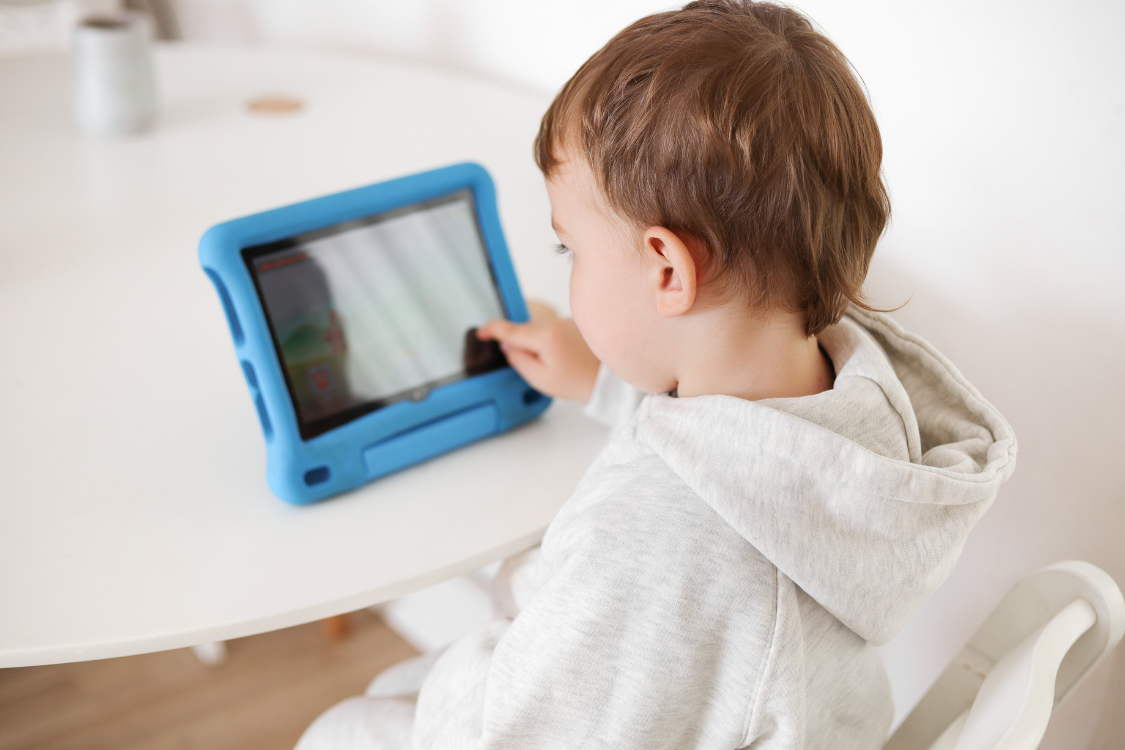
AI Storytelling Apps vs Structured Literacy
AI storytelling apps are becoming a regular presence on tablets in homes and classrooms. These are tools that generate and narrate original stories for kids on…
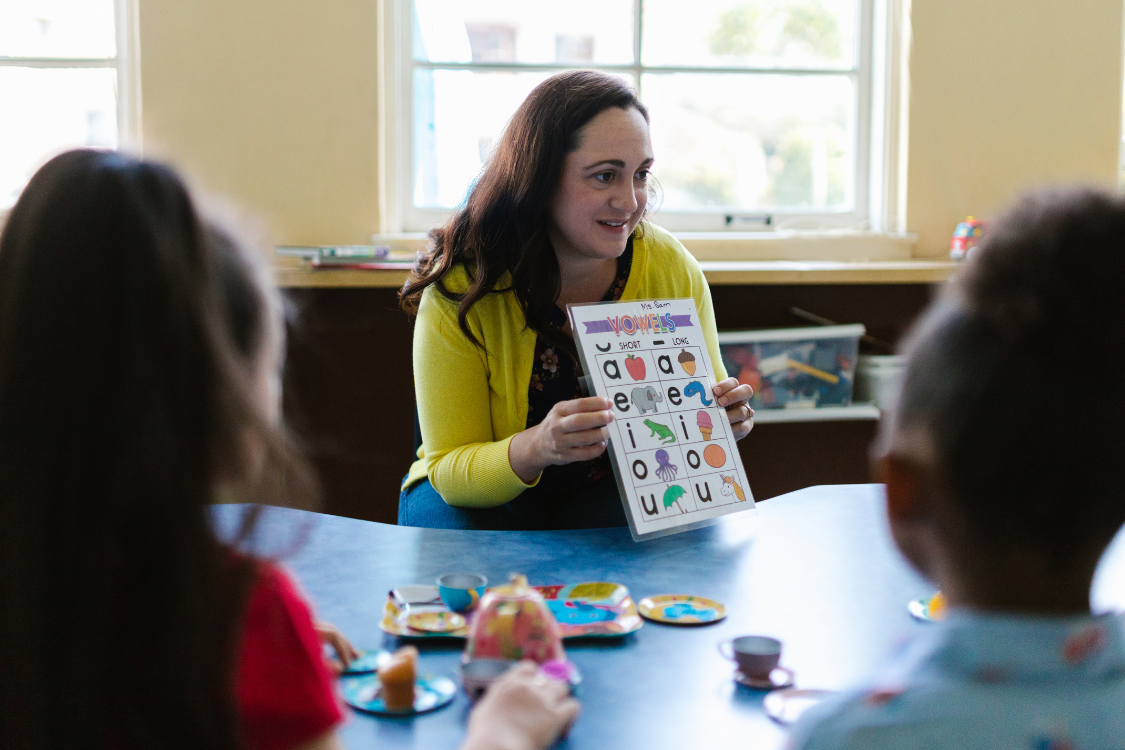
How Much Phonics Instruction Does A Child Need Per Day?
Parents often wonder exactly how many minutes of phonics instruction their child needs each day, and it’s a fair question to ask. Too little instruction leaves…
 Review
 All About Reading Review: Is This Phonics Program Right for Your Homeschool?
A Structured, Multisensory Phonics Program Built for Parent-Led Instruction Looking for honest, research-grounded reviews of literacy programs? Browse the…

The Hidden Problem With AI Reading Feedback
Your child finishes reading a passage aloud to a tablet, and a cheerful message appears. Ninety-eight percent accuracy. Great job. It feels like proof that…

AI Reading Apps for Dyslexia: What Works?
Search the app store for dyslexia, and you will find a wave of apps promising to help. Some are built on solid ground. Others offer little more than a special…

Do AI Reading Tutors Follow the Science of Reading?
Open the description of almost any reading app, and you will see the same promise: that it is based on the Science of Reading. The phrase has become the…

Are AI Reading Tutors Safe for Children?
When parents ask whether an AI reading tutor is safe, they usually mean two things at once. One is about data, whether a company is recording and sharing…

Can You Combine Multiple Phonics Programs?
It happens in a lot of homes. The school sends one phonics program, you downloaded a reading app that everyone recommends, and a well-meaning relative gave…
How AI Listening Technology Works in Reading Apps
Some reading apps do something that feels almost magical. Your child reads a sentence aloud, and the app instantly shows which words they nailed and which…

Parents’ Guide to AI-Powered Reading Programs
Your child’s tablet can now do something that sounded like science fiction a few years ago. It can listen to them read aloud, catch the words they miss, and…

AI Reading Tutors vs Human Reading Tutors
An AI reading tutor never sighs, never glances at the clock, and never loses patience at seven on a Tuesday night. For about the price of one coffee a month,…

Can AI Teach Phonics Better Than Apps?
Search “learn to read” in the App Store right now and you will get hundreds of results, most of them describing themselves as “AI-powered.” Jolly Phonics,…

Best AI Reading Tutors for Kids: A Parent and Teacher Guide
What if every child had access to a patient, one-on-one reading tutor who never lost their place, never got tired, and adjusted instruction within seconds…
 Review
 UFLI Foundations Review: Is This Phonics Program Right for Classrooms?
A Research-Backed Phonics Program That Delivers Measurable Results Looking for honest reviews of phonics programs and apps? Browse the comprehensive program…
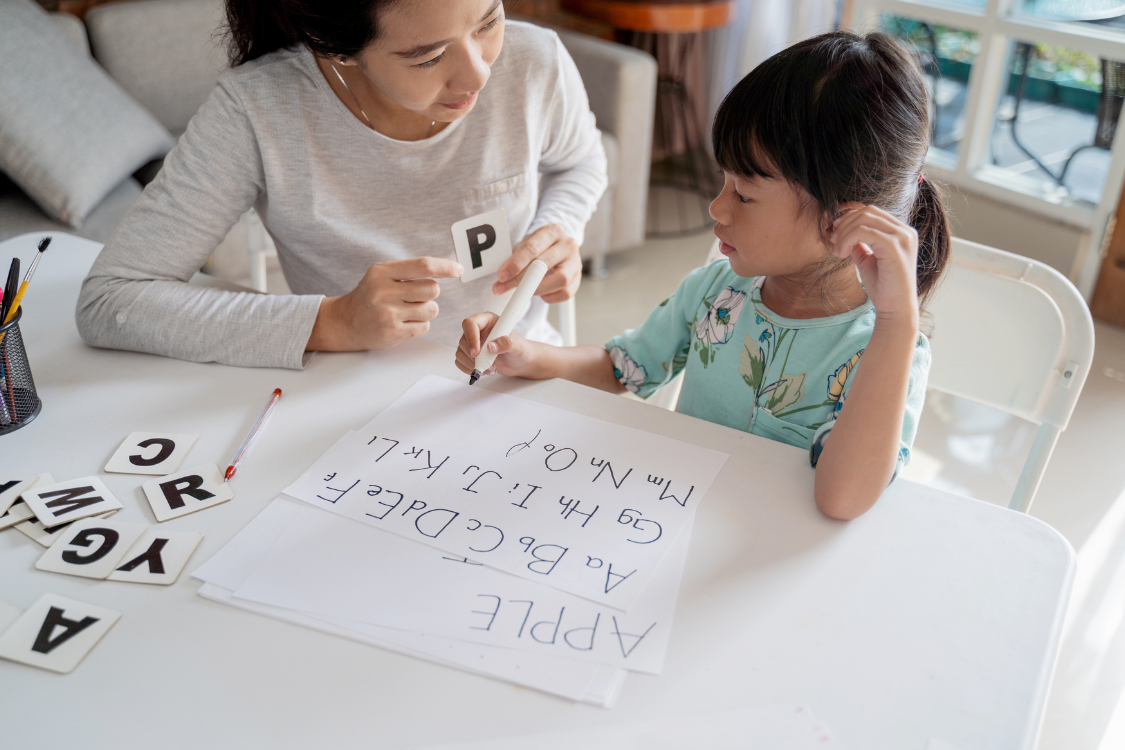
How Long Does It Take a Child to Complete a Phonics Program?
Parents starting a phonics program often want to know one thing: how long is this going to take? It is a reasonable question, and the honest answer is that it…

What Structured Literacy Certification Means
The phrase “structured literacy certified” is showing up everywhere right now: on tutoring profiles, school websites, reading intervention programs, and…

How to Evaluate Your Child’s School Phonics Program
Most parents trust that their child’s school is using a good reading program. That trust is reasonable, but it is not always warranted. According to the 2024…

What to Look for in a Phonics App Before You Download
There are thousands of phonics and reading apps available for kids right now, and most of them look convincing. Bright colors, animated characters, cheerful…

AI Tutoring Apps and Phonics: Promising or Problematic?
AI-powered reading tools have moved from novelty to a common fixture in classrooms. By 2026, adaptive phonics apps and AI reading tutors are in widespread use…

How To Use Phoneme-Grapheme Mapping at Home
When your child writes “sip” instead of “ship,” they’re not making a careless mistake. They’re missing a small but important skill. They haven’t yet learned…

Sight Words and Phonics: Friends, Not Enemies
If you’ve spent any time in early literacy circles, you’ve probably noticed something strange: people argue about sight words. One camp says memorizing sight…
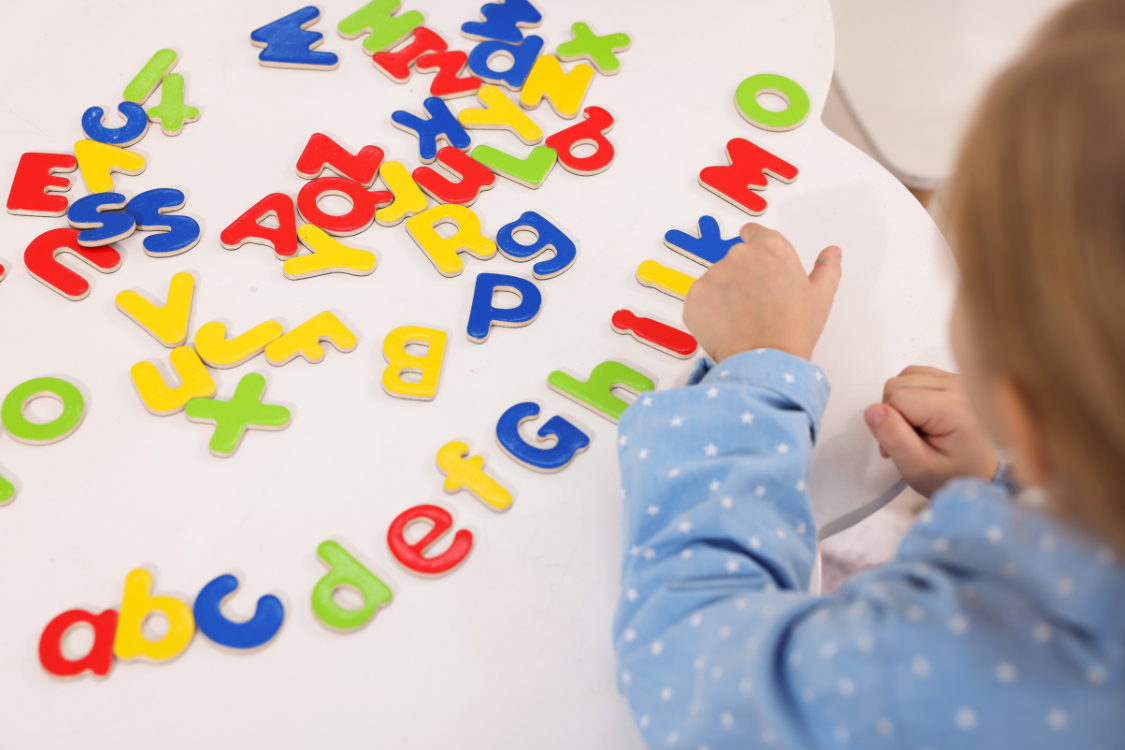
Word Sorting: The Low-Tech Phonics Strategy with Big Results
Among kindergarten teachers, word sorting holds a quiet kind of reverence. It asks for nothing more than a small pile of word cards and a child willing to look…

Dictation as a Phonics Tool: Why Writing Reinforces Reading
Most parents and teachers think of reading and writing as separate skills taught at different times of day. Reading comes first, the thinking goes, and writing…

Decodable vs. Leveled Readers: Which Belongs in Your Child’s Hands
Walk into any kindergarten classroom, and you will see two very different books being handed to children learning to read. One says, “Sam can tap. Sam can…

Cumulative Review in Phonics: The Strategy Most Programs Skip
When a child learns the short /a/ sound on Monday, blends CVC words on Tuesday, tackles digraphs on Wednesday, and then never returns to short /a/ again,…

Progress Monitoring in Phonics: What Parents Should Be Asking Schools
Most parents only hear about reading problems when it’s already late in the game. A vague comment at a parent-teacher conference, a worrying score on a state…

Small Group Phonics Instruction: How to Make It Work
Walk into any effective elementary classroom during literacy time, and you’ll likely see something that looks a bit like organized chaos. A teacher works…

What a Good Phonics Screener Actually Measures
If your child’s school sent home a note about an upcoming “phonics screener,” you might have felt a flash of worry. Is it a test? Will my child pass or fail?…
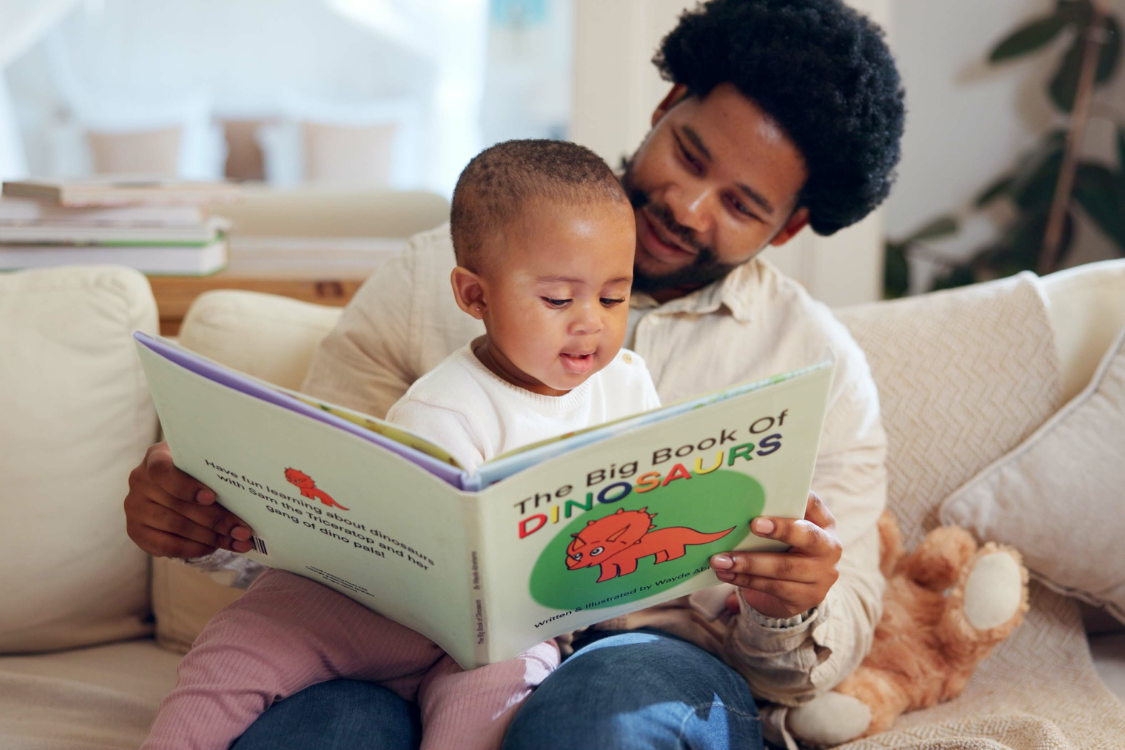
Why Decodable Books Matter More Than You Think
Your child has been learning letter sounds for weeks. They can tell you that “s” says /s/ and “a” says /a/ and “t” says /t/. Then you hand them a picture book…

Fluency Is Not a Bonus Skill: Why Reading Rate and Accuracy Matter
Most parents celebrate when their child can sound out words on a page. That’s a huge milestone. But here’s what often gets overlooked: decoding is not the…

Adopted Children and Phonics: Addressing Gaps from Disrupted Early Language Exposure
Before a child ever sees a letter on a page, their brain is already building the architecture for reading. It happens through thousands of hours of being…

Phonics for Students with Visual Processing Difficulties
Your child passed the eye exam with flying colors, but they still mix up “b” and “d,” lose their place on the page, and get frustrated every time they sit down…

Multilingual Learners at Home: Phonics When English Is the Second Language
Your family speaks Spanish at home, but your child is learning to read in English at school. Or perhaps your household runs on Mandarin, Arabic, or Somali, and…
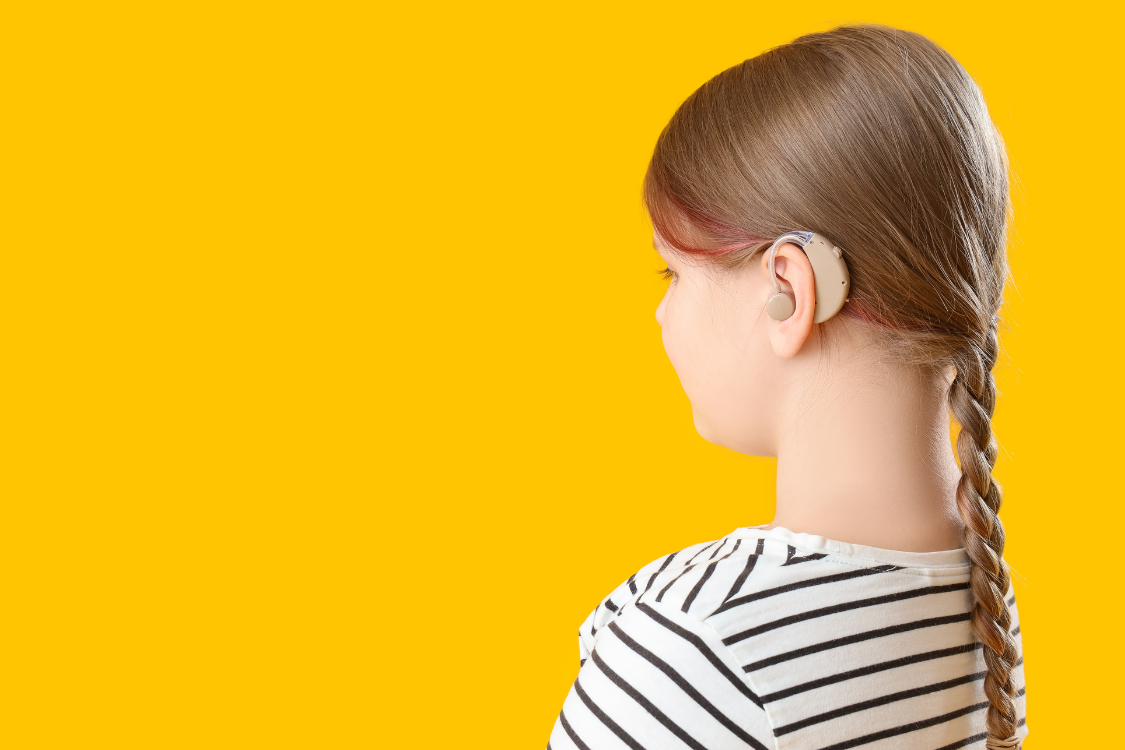
Teaching Phonics to Students with Hearing Loss
Most people assume phonics and hearing loss don’t belong in the same sentence. After all, phonics is about sounds, and hearing loss means limited access to…

First Grade Phonics: When to Move Beyond Basics
There’s a moment that many first-grade parents describe with the same kind of wonder, the moment their child picks up a book and just… reads it. Not perfectly,…

ELL Students and Phonics: Understanding Sound System Differences
Maria’s kindergarten teacher noticed something puzzling. The bright five-year-old could identify every letter in the alphabet and knew most of their sounds.…

Teaching Phonics to Specialized Populations: Adapting Instruction for Every Learner
Your third grader still struggles to decode simple words. Your English language learner confuses similar sounds. Your high schooler avoids reading aloud at all…

Digital Phonics Games: Which Ones Actually Follow Science?
You’re scrolling through educational apps at 10 PM, reading glowing reviews and watching demo videos of animated characters celebrating correct answers. This…

Systematic Phonics for Homeschoolers: Building Readers Step by Step
Your kindergartener knows the alphabet song by heart. She can identify most letters when you point to them. She’s even started recognizing her name in print.…
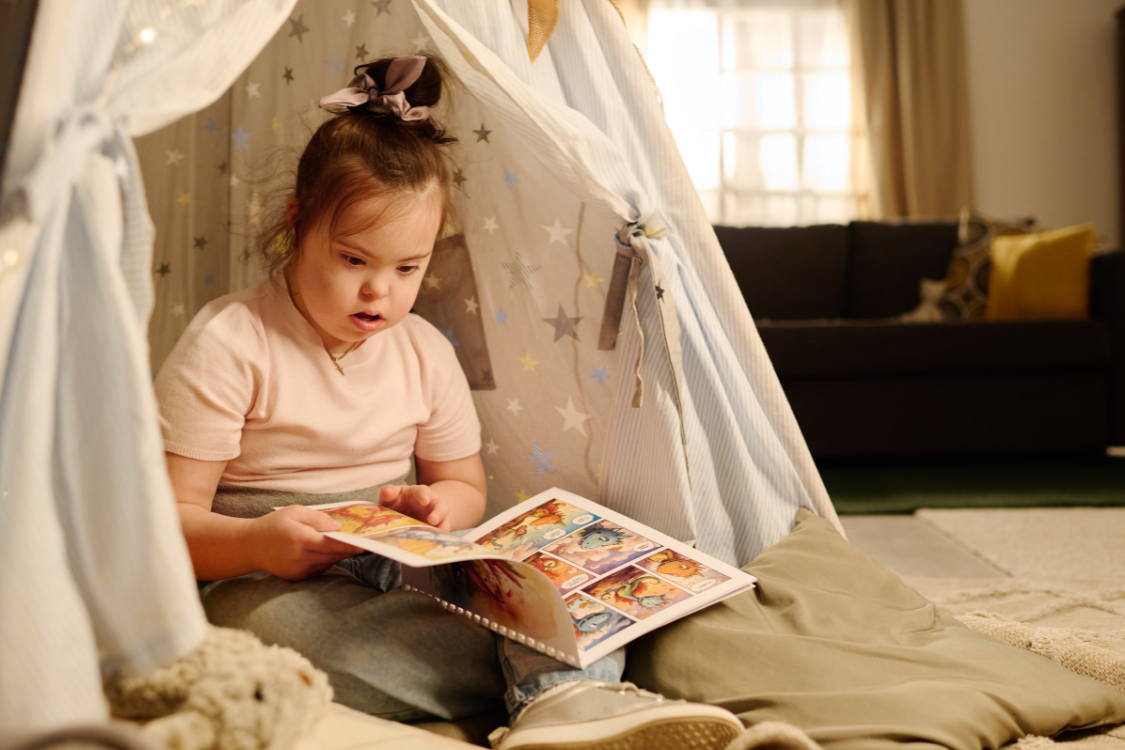
Teaching Phonics to Students with Down Syndrome
Imagine it: a child with Down syndrome proudly reading their favorite book aloud, pointing to each word with growing confidence. This isn’t just a hopeful…

Gamification in Phonics: What Motivates Students?
Your kindergartener rushes to the tablet each morning, eager to earn more badges in their phonics app. Two months later, they barely glance at it. What…

Memory and Phonics: Why Some Kids Forget Letter Sounds
Your child confidently identifies the letter M on Monday. By Wednesday, they stare at the same letter as if they’ve never seen it before. You wonder if you’re…