Articles

Inspire a love of learning through phonics.

Whether you’re a teacher, family member, tutor, or childcare professional, you can have a positive impact on a child’s life. One of the most extraordinary gifts a child ever receives is the ability to read and write.

Although literacy doesn’t come naturally to humans, it’s an essential part of our everyday lives. Explicit, effective, and encouraging phonics instruction is vital to creating a more literate world.  Explore the trusted resources, articles, and reviews from phonics.org to instill a love of learning in someone you care about.

Phonics Resources for All

Learn why systematic phonics instruction is essential for homeschool success and how to implement a structured approach that builds confident, capable readers from the ground up.

Systematic Phonics for Homeschoolers: Building Readers Step by Step

Your kindergartener knows the alphabet song by heart. She can identify most letters when...

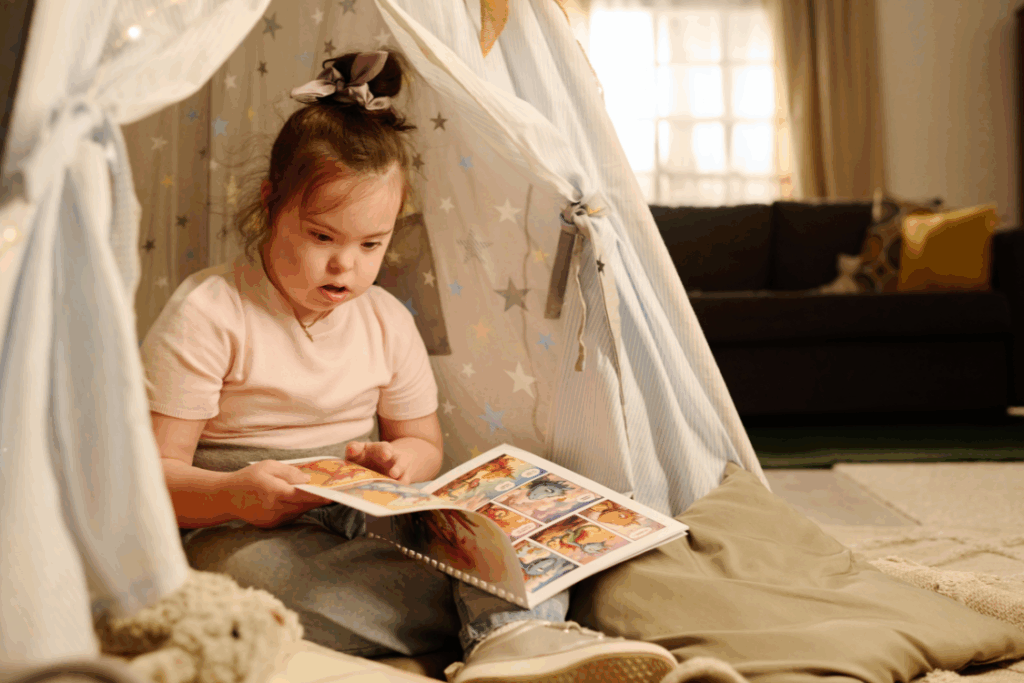
Discover effective strategies for teaching phonics to students with Down syndrome. Learn how to combine sight words, systematic instruction, and personalized approaches to build strong reading skills.

Teaching Phonics to Students with Down Syndrome

Imagine it: a child with Down syndrome proudly reading their favorite book aloud, pointing...

Discover what truly motivates young readers in gamified phonics programs. Learn how to use game elements effectively while building a genuine love of reading and avoiding common pitfalls.

Gamification in Phonics: What Motivates Students?

Your kindergartener rushes to the tablet each morning, eager to earn more badges in...

Discover why morphophonemic awareness is crucial for upper elementary readers. Learn how combining sound and meaning instruction helps students decode complex academic vocabulary.

Morphophonemic Awareness: The Missing Link in Upper Elementary

Your fourth grader breezes through simple stories but stumbles over science textbooks. She can...

Understand why children forget letter sounds they've already learned. Discover brain-based reasons for memory gaps and effective strategies to help sounds stick.

Memory and Phonics: Why Some Kids Forget Letter Sounds

Your child confidently identifies the letter M on Monday. By Wednesday, they stare at...

Start the new year with an organized home reading space that supports your child's phonics development. Six practical tips for creating an effective literacy environment at home.

Organizing Your Home Reading Space for the New Year

January brings fresh energy and clean slates. You’ve organized closets, cleared out old toys,...

Set achievable reading goals for your child this new year. Learn how to create realistic phonics milestones that build confidence and celebrate progress at every stage.

Setting Realistic Phonics Milestones for Your Child

New Year’s resolutions aren’t just for adults. January offers the perfect opportunity to set...

Discover why January offers unique advantages for beginning phonics intervention with your struggling reader. Learn how to use this fresh start to build essential reading skills.

Why January is the Perfect Time to Start Phonics Intervention

The new year brings more than just resolutions and fresh calendars. For parents of...

Create meaningful family literacy traditions that build phonics skills naturally. Discover six creative New Year reading rituals designed for diverse families and living situations.

Starting a New Year Reading Ritual That Supports Phonics Growth

Family literacy traditions work because they remove the daily negotiation. When reading becomes “what...

Keep your child's reading skills strong during winter break with cozy, fun phonics activities. Simple daily routines prevent learning loss while creating magical holiday memories.

Keeping Phonics Skills Sharp During School Holidays

Many parents watch their children’s hard-won phonics skills fade during extended school holidays, but...

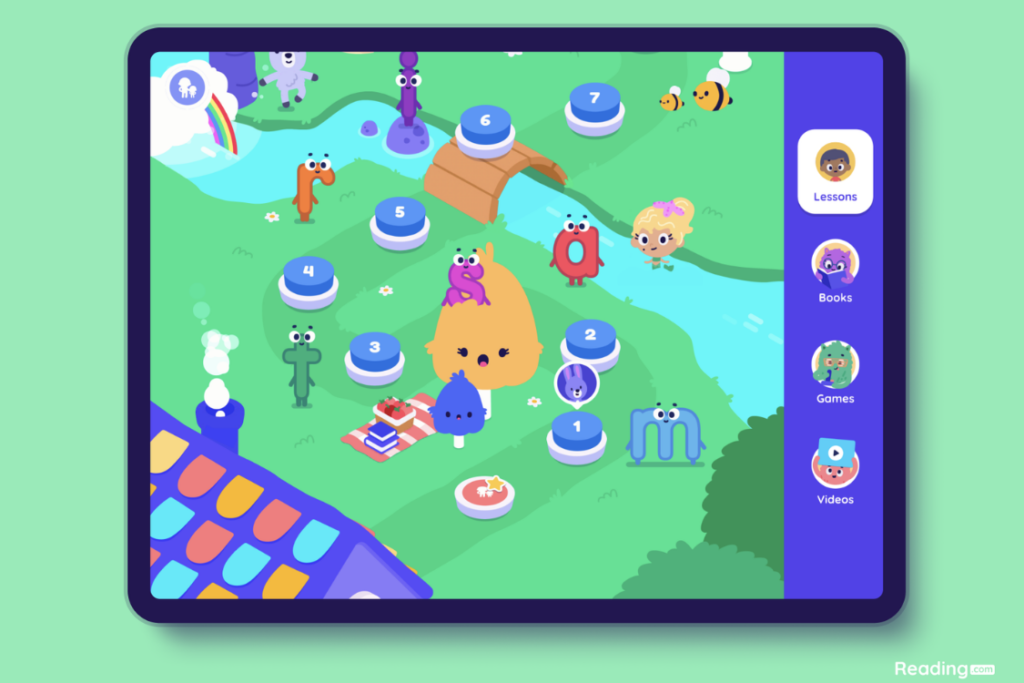
Reading.com App Review

Reading.com App Review

A Unique, Research-Based Approach to Teaching Children to Read At phonics.org, we evaluate phonics programs designed for children—empowering you to make informed decisions about the most suitable apps for your…


Cumulative Review in Phonics: The Strategy Most Programs Skip

Cumulative Review in Phonics: The Strategy Most Programs Skip

When a child learns the short /a/ sound on Monday, blends CVC words on Tuesday, tackles digraphs on Wednesday, and then never returns to short /a/ again, something strange happens.…

Phonics Scope and Sequence: What It Is and Why It Matters

Phonics Scope and Sequence: What It Is and Why It Matters

Imagine handing a child a jigsaw puzzle with no picture on the box and no guidance about where to begin. A few kids might figure it out eventually, but most…

How to Structure a Phonics Lesson From Start to Finish

How to Structure a Phonics Lesson From Start to Finish

Here’s something that might surprise you: the order of a phonics lesson matters almost as much as the content inside it. A child who sits down for 20 minutes of…

Progress Monitoring in Phonics: What Parents Should Be Asking Schools

Progress Monitoring in Phonics: What Parents Should Be Asking Schools

Most parents only hear about reading problems when it’s already late in the game. A vague comment at a parent-teacher conference, a worrying score on a state test, a teacher…

Small Group Phonics Instruction: How to Make It Work

Small Group Phonics Instruction: How to Make It Work

Walk into any effective elementary classroom during literacy time, and you’ll likely see something that looks a bit like organized chaos. A teacher works intently with four students at a…

What a Good Phonics Screener Actually Measures

What a Good Phonics Screener Actually Measures

If your child’s school sent home a note about an upcoming “phonics screener,” you might have felt a flash of worry. Is it a test? Will my child pass or…

Red Flags vs. Normal Variation: How to Tell If Your Child Needs Help

Red Flags vs. Normal Variation: How to Tell If Your Child Needs Help

Here’s something most parents don’t realize: Two five-year-olds sitting side by side in the same kindergarten classroom can be months apart in their reading readiness, and both can be perfectly…

Why Decodable Books Matter More Than You Think

Why Decodable Books Matter More Than You Think

Your child has been learning letter sounds for weeks. They can tell you that “s” says /s/ and “a” says /a/ and “t” says /t/. Then you hand them a…
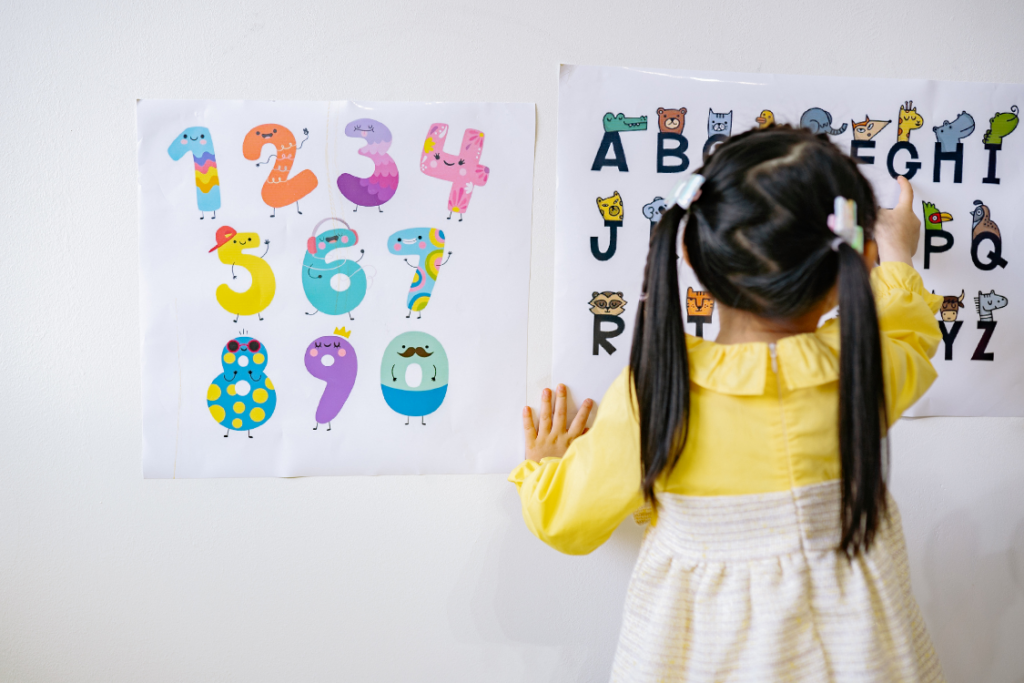
The Alphabetic Principle: The One Concept That Changes Everything for Both Teachers and Parents

The Alphabetic Principle: The One Concept That Changes Everything for Both Teachers and Parents

Right now, you’re reading these words without thinking about how you’re doing it. Your brain is instantly converting letters into sounds and sounds into meaning, all in milliseconds. But there…

Fluency Is Not a Bonus Skill: Why Reading Rate and Accuracy Matter

Fluency Is Not a Bonus Skill: Why Reading Rate and Accuracy Matter

Most parents celebrate when their child can sound out words on a page. That’s a huge milestone. But here’s what often gets overlooked: decoding is not the finish line. A…