


The Alphabetic Principle: The One Concept That Changes Everything for Both Teachers and Parents
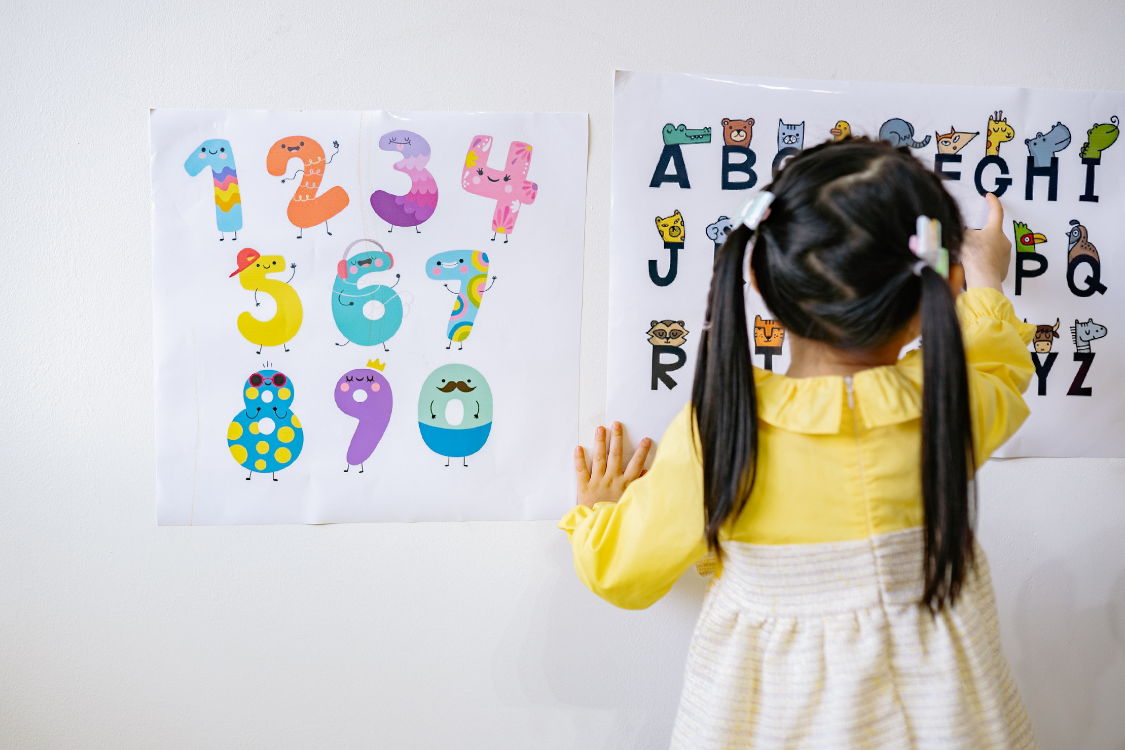
Right now, you’re reading these words without thinking about how you’re doing it. Your brain is instantly converting letters into sounds and sounds into meaning, all in milliseconds. But there was a time when none of that came naturally. At some point in your childhood, something clicked: you realized that the marks on a page weren’t random, that each letter stood for a sound, and that those sounds could be strung together to make words. That realization has a name. It’s called the alphabetic principle, and it is the single concept that unlocks the entire process of learning to read. Without it, letters are just shapes. With it, the code of written language starts to crack open.
What the Alphabetic Principle Actually Is
The alphabetic principle is the understanding that written letters represent spoken sounds in a systematic and predictable way. It sounds simple, but it is the gateway to everything else in reading. The National Center on Improving Literacy describes it as the foundation that enables children to blend individual letter sounds into whole words, which is the very first act of real reading. English has 26 letters, but roughly 44 distinct speech sounds, and those sounds can be spelled in over 200 different ways. A child who grasps the alphabetic principle understands that these letters and letter combinations are not random. They follow rules that can be learned, practiced, and applied to read words the child has never seen before. That understanding is what separates a child who is memorizing words from a child who is actually reading.
Why This Concept Matters More Than Any Single Skill
A longitudinal study of over 810,000 first graders in France found that phonemic awareness contributed to later reading outcomes only when children also had strong knowledge of the alphabetic principle. A child can hear and manipulate sounds in spoken language all day long, but without understanding that those sounds map to written letters, that skill alone will not get them reading. The alphabetic principle is what connects the ear to the page. This finding reinforces what the science of reading has long argued: phonemic awareness and phonics are both essential, but they must work together, and the alphabetic principle is the bridge between them. Explicit, teacher-directed instruction is one of the most effective ways to teach the alphabetic principle. Children do not typically stumble into this understanding on their own. It has to be taught.
How Children Learn the Alphabetic Principle
Children generally move through a predictable sequence. They learn letter names first, often through the alphabet song. Then they learn to recognize letter shapes and begin connecting those letters to their sounds. A 2024 review in The Advocate describes how children progress through phases of word recognition: from the pre-alphabetic phase, where they recognize words only by visual cues like shape or color, to the partial alphabetic phase, where they start using some letter-sound knowledge, and eventually to the full alphabetic phase, where they can decode unfamiliar words systematically. Research shows that teaching letter names, letter sounds, and letter writing simultaneously is most effective because these skills reinforce each other. A child who sees the letter, says its name and sound, and writes it is building the alphabetic principle through multiple pathways at once. This is exactly the kind of multisensory, explicit instruction that the science of reading supports.
What Parents Can Do at Home
You do not need special training to help your child start developing the alphabetic principle. Begin by pointing out letters everywhere: on cereal boxes, street signs, book covers, and labels around the house. Say the letter name and its sound together: “That’s the letter S. It makes the /s/ sound, like snake!” When you read with your child, run your finger under the words so they begin to connect the sounds they hear with the print they see. Play games that link letters to sounds. Magnetic letters on the fridge, alphabet puzzles, and letter-tracing activities all reinforce the connection. Sing songs and read alphabet books that emphasize letter sounds rather than just letter names. And when your child starts to blend sounds together to read a simple word like “cat” or “sun,” celebrate that moment. That is the alphabetic principle in action. Systematic phonics instruction, built on the alphabetic principle, remains the most effective approach for teaching children to read.
What Teachers Should Keep in Mind
Introduce high-utility letter-sound relationships first. Letters like m, s, a, t, and p can be combined into real words almost immediately, giving children early success. Avoid introducing visually or auditorily similar letters at the same time, as this creates unnecessary confusion. Teach consonant sounds and blends in separate lessons, and provide daily opportunities for children to practice blending sounds into words using only the relationships they have already learned. Most importantly, do not assume children will absorb the alphabetic principle through exposure alone. Explicit, systematic instruction is what makes the difference, especially for children who are at risk for reading difficulties. Every child can learn the alphabetic principle, but some will need more time, more repetitions, and more direct support than others.
The Key That Unlocks Every Other Reading Skill
The alphabetic principle is not just one concept among many. It is the concept that makes all the others possible. Without it, phonics has no anchor. With it, a child holds the key to decoding any word they encounter. For more expert guidance on building your child’s reading foundation, including phonics program reviews and practical strategies, visit Phonics.org. Because once a child understands that letters and sounds are connected, everything changes.