Articles

Inspire a love of learning through phonics.

Whether you’re a teacher, family member, tutor, or childcare professional, you can have a positive impact on a child’s life. One of the most extraordinary gifts a child ever receives is the ability to read and write.

Although literacy doesn’t come naturally to humans, it’s an essential part of our everyday lives. Explicit, effective, and encouraging phonics instruction is vital to creating a more literate world.  Explore the trusted resources, articles, and reviews from phonics.org to instill a love of learning in someone you care about.

Phonics Resources for All

Discover what makes phonics professional development effective for teachers. Learn which training elements lead to real classroom change and improved student outcomes.

Phonics Professional Development: Programs That Actually Work

It’s 3:30 on a Friday afternoon. Thirty exhausted teachers file into the library for...

Discover how to adapt systematic phonics instruction for students with learning differences, English language learners, and older struggling readers while maintaining research-based practices.

Teaching Phonics to Specialized Populations: Adapting Instruction for Every Learner

Your third grader still struggles to decode simple words. Your English language learner confuses...

Not all phonics apps are created equal. Learn which digital game features support real reading development and which are just dressed-up entertainment.

Digital Phonics Games: Which Ones Actually Follow Science?

You’re scrolling through educational apps at 10 PM, reading glowing reviews and watching demo...

Wondering how much screen time is too much for early readers? Learn how to balance digital phonics tools with hands-on learning for stronger literacy development.

Screen Time vs. Sound Time: The Phonics Balance

It’s 6:30 PM on a Tuesday. Dinner’s cooking, work emails are piling up, and...

Learn why systematic phonics instruction is essential for homeschool success and how to implement a structured approach that builds confident, capable readers from the ground up.

Systematic Phonics for Homeschoolers: Building Readers Step by Step

Your kindergartener knows the alphabet song by heart. She can identify most letters when...

Discover effective strategies for teaching phonics to students with Down syndrome. Learn how to combine sight words, systematic instruction, and personalized approaches to build strong reading skills.

Teaching Phonics to Students with Down Syndrome

Imagine it: a child with Down syndrome proudly reading their favorite book aloud, pointing...

Discover what truly motivates young readers in gamified phonics programs. Learn how to use game elements effectively while building a genuine love of reading and avoiding common pitfalls.

Gamification in Phonics: What Motivates Students?

Your kindergartener rushes to the tablet each morning, eager to earn more badges in...

Discover why morphophonemic awareness is crucial for upper elementary readers. Learn how combining sound and meaning instruction helps students decode complex academic vocabulary.

Morphophonemic Awareness: The Missing Link in Upper Elementary

Your fourth grader breezes through simple stories but stumbles over science textbooks. She can...

Understand why children forget letter sounds they've already learned. Discover brain-based reasons for memory gaps and effective strategies to help sounds stick.

Memory and Phonics: Why Some Kids Forget Letter Sounds

Your child confidently identifies the letter M on Monday. By Wednesday, they stare at...

Start the new year with an organized home reading space that supports your child's phonics development. Six practical tips for creating an effective literacy environment at home.

Organizing Your Home Reading Space for the New Year

January brings fresh energy and clean slates. You’ve organized closets, cleared out old toys,...

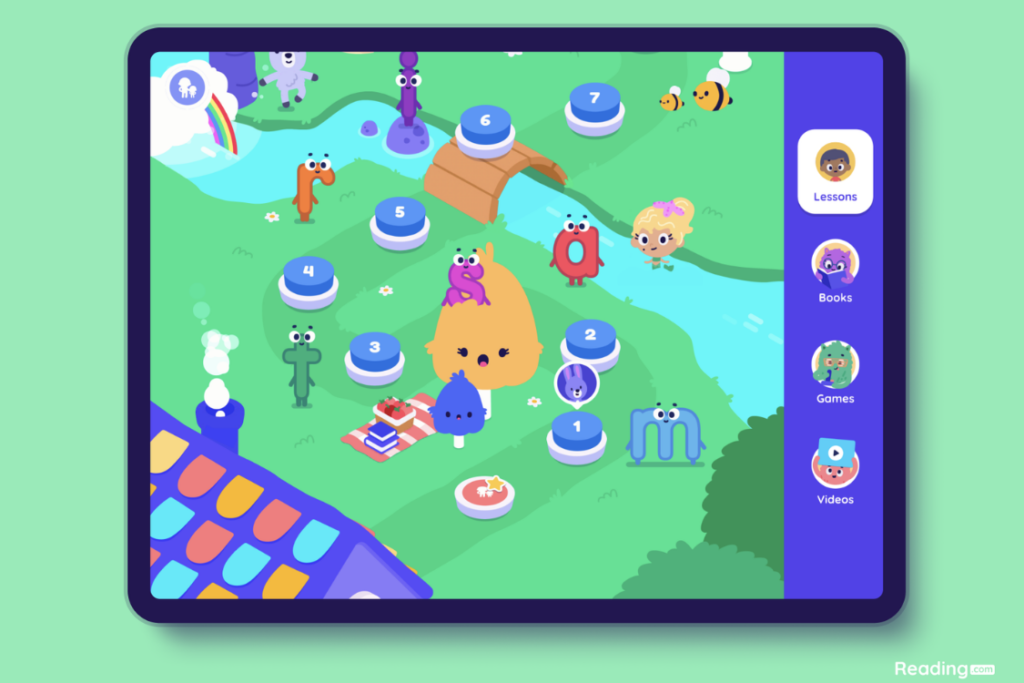
Reading.com App Review

Reading.com App Review

A Unique, Research-Based Approach to Teaching Children to Read At phonics.org, we evaluate phonics programs designed for children—empowering you to make informed decisions about the most suitable apps for your…

Phonics Catch-Up for Third Graders: Intensive Intervention Strategies

Phonics Catch-Up for Third Graders: Intensive Intervention Strategies

There is a well-documented shift that occurs around third grade, which literacy researchers have studied for decades. In the early grades, children are learning to read. By third grade, they…

Preschool Phonics: What’s Developmentally Appropriate?

Preschool Phonics: What’s Developmentally Appropriate?

Here’s something that surprises many parents: phonics learning doesn’t begin in kindergarten. It begins in the bathtub. It begins in the car. It begins every time your toddler claps along…

Kindergarten Phonics Pacing: Month-by-Month Expectations

Kindergarten Phonics Pacing: Month-by-Month Expectations

If you’ve ever sat at a kindergarten pickup wondering whether your child is keeping pace with their classmates, you’re not alone. Phonics progress in kindergarten can feel mysterious from the…

Administrative Support for Phonics Programs: What Leaders Need to Know

Administrative Support for Phonics Programs: What Leaders Need to Know

School administrators face an enormous challenge. Reading scores have declined, the achievement gap persists, and teachers are stretched thin as they try to meet diverse student needs. At the same…

Parent Pushback: Addressing Concerns About Phonics Instruction

Parent Pushback: Addressing Concerns About Phonics Instruction

You’ve just announced that your school is implementing a new systematic phonics program. You expect relief. After all, reading scores have been declining, and this approach is backed by decades…

When Phonics Rules Don’t Work: Teaching Exception Words Systematically

When Phonics Rules Don’t Work: Teaching Exception Words Systematically

You’ve been working hard with your child on phonics. They’re blending sounds beautifully, sounding out “cat” and “ship” with confidence. Then they encounter the word “said” and try to pronounce…

Why Most Teachers Weren’t Taught to Teach Phonics

Why Most Teachers Weren’t Taught to Teach Phonics

If you’re a parent whose child is struggling to read, you might wonder why their teacher seems uncertain about phonics instruction. It’s a fair question, and the answer might surprise…

Phonics First vs. Sounds-Write: Comparing Synthetic Phonics Programs

Phonics First vs. Sounds-Write: Comparing Synthetic Phonics Programs

You’ve done your research. You understand that systematic synthetic phonics is a typical standard for teaching reading. You know your child or students need explicit instruction in letter-sound relationships with…

Right to Read Laws: What Parents and Educators Need to Know

Right to Read Laws: What Parents and Educators Need to Know

The Right to Read Act, introduced in Congress, is an effort by lawmakers to address gaps in literacy instruction and library access. While legislation always involves a political process, the…

ELL Students and Phonics: Understanding Sound System Differences

ELL Students and Phonics: Understanding Sound System Differences

Maria’s kindergarten teacher noticed something puzzling. The bright five-year-old could identify every letter in the alphabet and knew most of their sounds. Yet when reading simple words, she consistently read…