


The Skills Children Need Before Formal Phonics Instruction
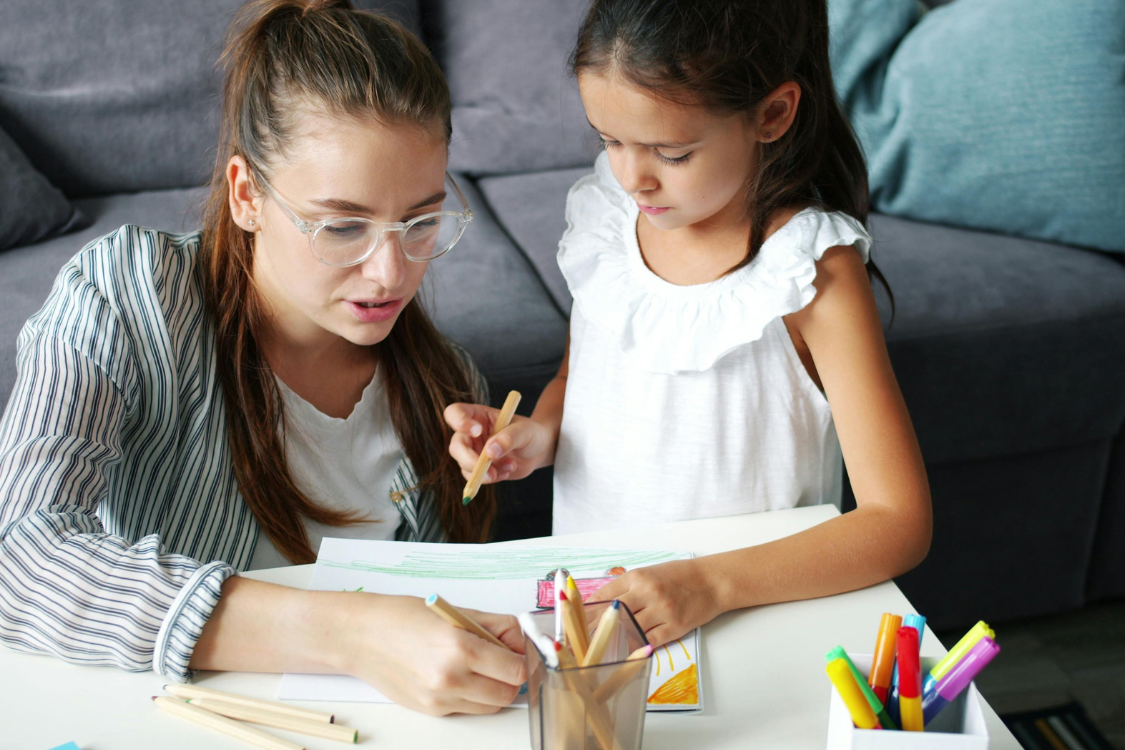
By the time a child sounds out their first word, most of the groundwork is already in place. Reading does not begin with letters on a page. It begins years earlier, in the back-and-forth of conversation, in nursery rhymes and clapping games, in the moment when a toddler realizes the squiggles in a bedtime book carry meaning. These early skills rarely look like reading, which is exactly why they get overlooked. But they are what formal phonics instruction stands on.
Reading Starts Before Letters
Researchers call this early stage emergent literacy, the knowledge and skills children build before conventional reading takes hold. An emergent literacy brief from the Institute of Education Sciences describes it as a continuum that begins at birth and stretches through about age five, well before most children meet a single phonics lesson. During this window, children develop two broad sets of skills at once. One is oral language, including vocabulary and the ability to follow and tell a story. The other is print-related knowledge, including awareness of the sounds in speech and the beginnings of letter recognition. Children who reach kindergarten strong in these areas tend to take to phonics quickly, while those with gaps often struggle from the start. The encouraging part is that every one of these skills can be built at home, long before a worksheet ever appears.
Playing With the Sounds of Language
The most important pre-phonics skill is phonological awareness, the ability to hear and play with the sounds in spoken language apart from their meaning. It develops in a rough order, from larger units to smaller ones. First, children notice that sentences break into words, then that words break into syllables, the kind of thing they feel when they clap out di-no-saur. Later they hear the smaller pieces, the rhyme in cat and hat, the beginning sound in sun. The finest grain, called phonemic awareness, is hearing the three separate sounds in a word like dog. This matters because it is the bridge to phonics. A child who cannot hear the sounds in a spoken word will struggle to match those sounds to letters. All of it happens by ear, with no print involved, which is why it can start so early. If you are wondering whether a child is ready for phonics, their comfort with rhyming, clapping syllables, and catching beginning sounds is one of the clearest signals.
Oral Language and a Growing Vocabulary
Sound skills get the spotlight, but oral language does equally important work. Children cannot read words they have never heard, and comprehension later depends on the vocabulary and background knowledge they build now. This is why talking with young children is one of the most powerful things an adult can do. As specialists writing for the Encyclopedia on Early Childhood Development explain, early oral language lays the foundation for learning to read, and children build it mainly through purposeful back-and-forth conversation with the adults around them. That means narrating your day, asking real questions, and giving a child room to answer rather than filling the silence yourself. It also means reading aloud often, since books use richer language than everyday speech and introduce words a child would rarely meet otherwise. Every new word is one less obstacle waiting on the page.
Print Awareness and Letter Knowledge
Two more foundations round out the picture. The first is print awareness, the everyday understanding of how books and written language work. It includes knowing that the print carries the message rather than the pictures, that English runs left to right and top to bottom, and that those marks are what an adult is actually reading. Children pick this up naturally when they sit on a lap during story time, turn the pages, and point to words. None of it requires drilling. It requires being around books and being shown how they work.
The second is letter knowledge, the ability to recognize and name letters and to sense that letters stand for sounds. It is a key early foundation, and children often begin with the letters in their own name because those carry personal meaning. The goal at this stage is recognition and interest, not mastery. A four-year-old does not need to write the alphabet, but knowing that the shape M goes with the sound at the start of a friend’s name is real progress. These skills emerge gradually and on different timelines, and it helps to know what tends to develop at each age so expectations stay realistic. Some children race ahead while others need more time, and both are normal.
How to Build These Skills at Home
The best news for parents is that none of this requires a curriculum or a screen, and it works for every child, whether they seem ahead, on track, or slower to warm up. Read aloud every day and let your child chime in on the rhymes. Sing songs and recite nursery rhymes, which are small phonological awareness workouts in disguise. Clap out the syllables in names at dinner. Play sound games in the car, like naming things that start with the same sound as your child’s name. Point to the words as you read a bedtime story so your child sees that print, not the picture, tells the tale.
Keep it playful and short. Five or ten relaxed minutes beats a tense half hour, and a child who links these games with warmth and attention will lean in rather than pull away. Follow your child’s interest and do not rush toward letters and sounding out before the groundwork is steady. The children who thrive when formal phonics begins are usually the ones who spent these early years talking, singing, listening, and being read to. You do not need to be a teacher to give a child that head start.
The Skills That Make Phonics Click
Formal phonics is where reading instruction gets systematic, but it works best when a child arrives already able to hear the sounds in words, holding a bank of spoken vocabulary, and comfortable with how books work. Build those foundations early and phonics has something solid to stand on. For more on early reading skills and how to support your child at every stage, visit Phonics.org.