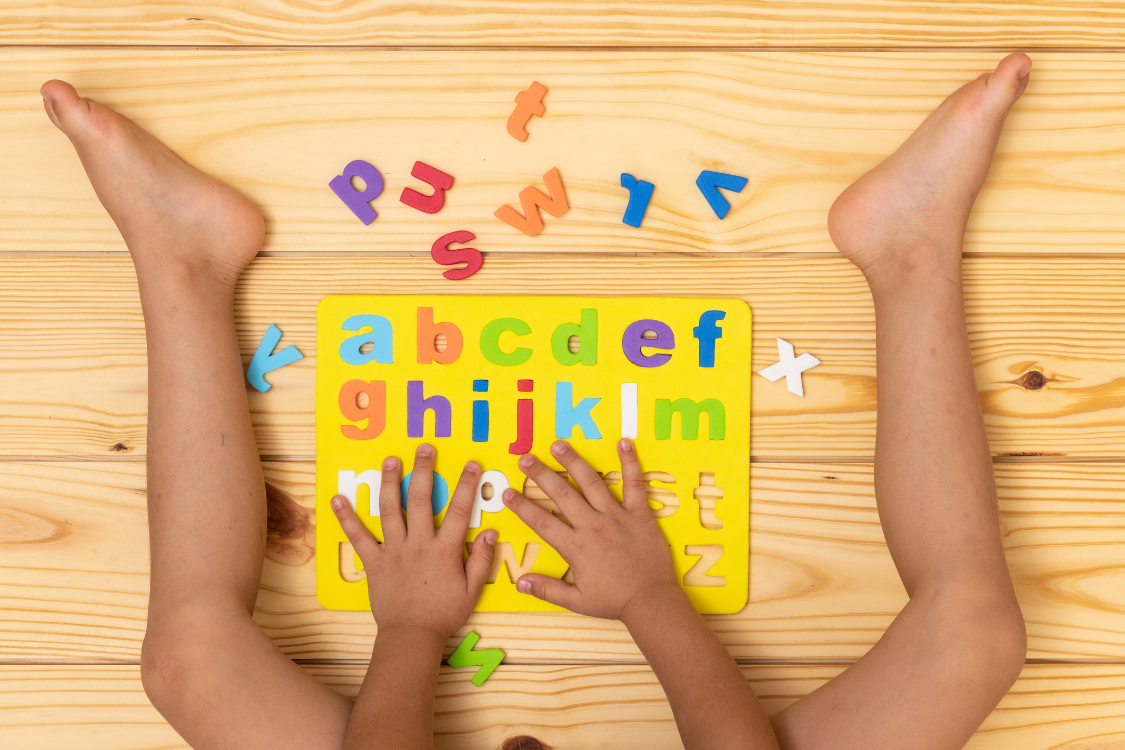
Multilingual Learners at Home: Phonics When English Is the Second Language

Your family speaks Spanish at home, but your child is learning to read in English at school. Or perhaps your household runs on Mandarin, Arabic, or Somali, and your kindergartener is suddenly expected to sound out English words they’ve never heard before. If you’ve ever worried that your home language might hold your child back in reading, take a breath. Research consistently shows the opposite is true: children who grow up speaking another language bring real cognitive and linguistic strengths to the task of learning to read in English. The key is knowing how to support English phonics development at home without sidelining the language skills your child already has.

Your Child’s Home Language Is a Reading Superpower

With more than 5.3 million English learners in U.S. public schools in 2021, representing nearly 11% of K-12 enrollment according to the Migration Policy Institute, multilingual families are far from rare. Yet too many parents hear, spoken or implied, that their home language is a barrier. The research says the opposite. The National Literacy Panel on Language-Minority Children and Youth confirmed that the five pillars of reading instruction apply to multilingual students, but work best when adjusted for a child’s language background. Children who already read in their first language carry a powerful advantage: they already understand that letters represent sounds. That concept transfers directly to English, even when the specific letter-sound relationships differ.

Why English Phonics Can Feel Extra Hard

English has 44 phonemes and over 200 ways to spell them. Compare that to Spanish, where letters almost always make the same sound. Some English sounds simply don’t exist in other languages. The “th” in “the” doesn’t appear in Spanish, Mandarin, Korean, or Arabic. Short vowel distinctions like /i/ in “sit” versus /ee/ in “seat” trip up children whose home language doesn’t make that split. This doesn’t mean multilingual children can’t learn English phonics. It means they need explicit instruction that directly addresses these differences. Phonics-based approaches work for English learners when students learn to connect sounds with meanings simultaneously. Plus, phonological awareness skills built in a home language, like rhyming or syllable segmenting, transfer to English reading even when the languages sound very different.

How to Support English Phonics at Home

You don’t need to stop speaking your home language to help your child succeed in English reading. In fact, continuing to use it strengthens the very skills English phonics will build on.

Keep reading in your home language. Every literacy skill your child develops in their first language is a skill that transfers to English. Point out sounds, discuss word meanings, and ask questions about stories.

Make English phonics visual and hands-on. Use magnetic letters, sand tracing, or visual sound walls showing mouth position for each English sound. These multisensory supports help when your child doesn’t yet recognize all English sounds by ear.

Teach vocabulary alongside phonics. Before asking your child to sound out a word, make sure they know what it means. Use pictures, objects, or translations. When children understand the words they’re decoding, phonics clicks faster.

Point out what’s the same. Highlight cognates like “family” and “familia.” Show shared sounds and letters between languages. This builds confidence and reinforces that their home language is an asset.

Be patient with sound differences. If your child says “jello” for “yellow” or struggles with “th,” that’s natural. Model the correct sound gently. With consistent exposure, these distinctions will sharpen over time.

Choose the Right Phonics Program

Look for programs with explicit, systematic instruction, a clear scope and sequence, built-in repetition, and visual supports. Avoid programs that assume children already know every English word they’re decoding. For multilingual learners, comprehension and decoding must develop together. 

Every Language in Your Home Is a Gift to Your Child’s Reading Future

Your child’s bilingualism is not something to overcome on the way to English reading. It is a foundation that makes reading success more achievable, not less. Keep your home language alive, build English vocabulary alongside phonics, and trust that skills in one language strengthen the other. For more guidance, including phonics program reviews and expert resources, visit Phonics.org. Every child, in every language, deserves the tools to become a confident reader.

Phonics for Late Talkers: When Speech Delays Affect Reading Readiness

Your toddler points at the dog, lights up with excitement, but stays silent. Meanwhile, the child next door is already stringing sentences together. If this sounds familiar, you’re not alone. Late language emergence affects an estimated 10 to 20% of toddlers, according to the American Speech-Language-Hearing Association (ASHA). What many parents don’t realize is that early speech delays can ripple into reading readiness later on. The good news? With early action, late talkers can absolutely build the phonics skills they need to become confident readers.

What “Late Talker” Really Means

A “late talker” is a child between 18 and 35 months old who uses fewer than 50 words and isn’t yet combining two-word phrases, while developing typically in other areas like cognition and hearing. A 2021 review in the Sultan Qaboos University Medical Journal estimates about 13% of two-year-olds meet the criteria, with boys two to three times more likely to qualify. Research suggests 60 to 70% will develop typical speech by age five. But even children who “catch up” verbally can carry subtle weaknesses in vocabulary, grammar, and reading comprehension into their school years. A 2025 study in the Journal of Speech, Language, and Hearing Research found that former late talkers still showed lower reading outcomes at age nine. That’s not cause for panic. It’s cause for early action.

How Speech Delays Affect Phonics Readiness

Phonics works by connecting the speech sounds a child already knows with the written letters that represent them. When a child has fewer speech sounds or a smaller vocabulary, they have fewer “hooks” for phonics instruction. If a child can’t yet distinguish /b/ from /p/, learning that these sounds match different letters becomes a bigger challenge.

Phonemic awareness, the ability to hear and manipulate individual sounds in words, is a prerequisite for phonics. Late talkers often enter kindergarten with less developed phonemic awareness, which can slow early reading progress. The National Reading Panel identified phonemic awareness and systematic phonics as essential pillars of reading education. Specialists at the Learning and Literacy Clinic emphasize that early language delays affect literacy in ways that aren’t always obvious, which is why proactive support matters.

Why “Wait and See” Can Backfire

A population-based study of 9,600 children found that late talking at 24 months increased the risk of low vocabulary at age four and reduced school readiness at age five. Meanwhile, the 2024 NAEP reading results showed only 31% of fourth graders scored at or above proficiency, with 40% falling below basic (National Center for Education Statistics). Children who enter school with any language disadvantage need support early, not after they’re already falling behind.

How to Support Your Late Talker at Home

You don’t need to wait for a diagnosis to start building your child’s phonics foundation. Talk constantly, narrating your day in simple language. Read together daily, emphasizing rhymes and pointing to words on the page. Play with sounds before letters: sing songs, clap syllables, and point out beginning sounds (“Ball starts with /b/!”). Use multisensory activities like tracing letters in sand while saying the sound together. If your child is in speech therapy, ask about incorporating literacy activities. Phonics.org’s speech sound development guide highlights the deep connection between speech milestones and phonics readiness, and working on both at once creates a powerful reinforcement loop. The consensus is clear: early, coordinated support makes a real difference.

Choose the Right Phonics Approach

Synthetic phonics, which teaches children to convert letters into sounds and blend them into words, has the strongest research base and is especially suited for late talkers because it breaks reading into its smallest pieces. A child doesn’t need perfect speech to start learning phonics. In fact, seeing the letter “f” while practicing the /f/ sound gives the brain an extra anchor. The National Reading Panel’s findings confirm that systematic phonics instruction improves long-term reading comprehension. When selecting a program, look for a clear scope and sequence, built-in repetition, and multisensory engagement. Avoid programs relying on context clues or whole-word memorization. For children with persistent conditions like developmental language disorder, ASHA’s Practice Portal on Spoken Language Disorders offers guidance on finding the right specialist.

Your Late Talker’s Reading Story Is Just Beginning

A speech delay does not have to become a reading delay. With early awareness, evidence-based phonics instruction, and your support, late talkers can build the skills they need to thrive. For more guidance, including honest phonics program reviews and practical strategies, visit Phonics.org. Together, we can make sure every child has the tools to become a confident reader.

When Phonics Rules Don’t Work: Teaching Exception Words Systematically

You’ve been working hard with your child on phonics. They’re blending sounds beautifully, sounding out “cat” and “ship” with confidence. Then they encounter the word “said” and try to pronounce it “s-ay-d.” Your heart sinks a little. Welcome to the world of exception words.

What Makes Exception Words So Tricky?

Exception words, sometimes called common exception words or sight words, are words that don’t follow the standard phonics patterns children learn in their early reading instruction. These are words like “the,” “was,” “said,” “come,” and “one.” They show up constantly in books, yet they refuse to play by the rules.

Here’s what makes them challenging: Your child has learned that when they see the letter ‘o’ followed by ‘n’ and ‘e,’ they should say the long ‘o’ sound, like in “bone” or “cone.” But then “one” comes along and completely breaks that pattern. It’s confusing, and it can shake a young reader’s confidence in the phonics system they’ve been learning.

The good news? Research shows that even these rule-breakers can be taught systematically. You don’t have to just drill flashcards and hope for the best.

Why These Words Matter So Much

Exception words aren’t just random vocabulary. They’re some of the most frequently used words in the English language. Think about how often you use “the,” “said,” “was,” or “are” in a single paragraph. These words make up a huge portion of the text young readers encounter.

When children stumble over these words repeatedly, it disrupts their reading flow. They can’t focus on understanding the story when they’re stuck trying to decode “what” for the tenth time. Mastering exception words helps children read more smoothly and with better comprehension.

Teaching Exception Words: A Systematic Approach

The key to teaching exception words isn’t abandoning phonics. It’s using what children already know and being explicit about what’s different.

Start with what’s regular. Even in exception words, some parts usually follow phonics patterns. In the word “said,” the ‘s’ and ‘d’ sounds are perfectly regular. Only that tricky middle part breaks the rules. Point this out to children. “We know the ‘s’ says /s/ and the ‘d’ says /d/, but in this word, ‘ai’ makes the short ‘e’ sound instead of the long ‘a’ sound we usually see.”

Mark what’s unusual. Some teachers and parents find it helpful to highlight or underline the irregular part of exception words. This visual cue helps children remember which part they need to memorize. In “said,” you might underline “ai” to remind them this is the part that’s different.

Use multiple senses. Write the word. Say the word. Trace the letters while saying the word. The more ways children interact with exception words, the better they’ll remember them. This multisensory approach creates stronger memory pathways in the brain.

Practice in context immediately. Don’t just drill isolated words. After introducing an exception word, have your child read it in sentences right away. “I said hello. She said goodbye. We said thank you.” This helps children recognize the word automatically when they encounter it in real reading.

Build Memory Through Repetition

Exception words need more repetition than regular phonics patterns because children can’t rely on decoding rules to remember them. But repetition doesn’t have to mean boring drills.

Mix these words into regular reading practice. Point them out in favorite books. Create simple sentences together using the new words. Play quick games where children find exception words in a paragraph. The goal is frequent, brief encounters rather than long memorization sessions.

Common Words for Different Ages

In early first grade, children typically learn basic exception words like “the,” “to,” “do,” “I,” and “no.” As they progress, they tackle trickier words like “could,” “would,” “should,” “who,” and “many.”

By second grade, children work with words like “because,” “people,” “water,” and “different.” The patterns become more complex, but the teaching approach stays the same: identify what’s regular, highlight what’s not, and provide plenty of practice in context.

What About Reading Programs?

Many systematic phonics programs include instruction on exception words as part of their sequence. They introduce these words gradually, often teaching them alongside related phonics patterns. For example, children might learn “said” when they’re working on words with ‘ai’ in them, so they can directly compare the regular pattern with the exception.

If your child’s program doesn’t systematically teach exception words, you can supplement at home using the strategies above. Just don’t overwhelm them, introduce a few at a time and make sure they’re mastering each small set before moving on.

Exception Words and Long-Term Reading Success

Exception words may not follow the rules, but teaching them doesn’t have to be random or frustrating. With systematic instruction that builds on phonics knowledge, explicit teaching about what makes each word different, and plenty of practice in context, children can master these essential words.

Remember, every proficient reader you know has learned to read exception words. Your child will too. It just takes patience, good instruction, and consistent practice.

For more evidence-based strategies and honest reviews of reading programs, visit Phonics.org regularly. We’re here to help every child become a confident reader.

Chicktionary App Review

A Fun Word Game That Isn’t a Phonics Tool

Looking for honest reviews of educational apps? Browse the comprehensive phonics app reviews at Phonics.org to find programs that truly support early reading development.

Continue reading to learn more about the Chicktionary app.

What is Chicktionary?

Chicktionary is a word puzzle game developed by SMG Studio for players ages 4 and up. The game features adorable chickens that “lay” letter eggs. Players create words by tapping chickens to drop their letters into an egg box.

TIME Magazine named Chicktionary one of the Top 25 iPad Apps for Kids. The game has been popular since 2008 and was recently relaunched after being unavailable for several years.

The app is free to download with optional in-app purchases to remove ads, but all content is accessible without spending money. The developers emphasize that 100% of the game can be enjoyed through play alone.

Chicktionary offers three game modes. Journey mode takes players through progressive levels across a virtual farm. Quick Play mode races against the clock. Classic mode provides the original gameplay experience for nostalgic fans.

Is the Chicktionary App Easy to Use?

The following factors influence the usability of Chicktionary.

Setup and Navigation

Chicktionary downloads quickly and launches without complicated setup. The interface shows chickens holding letters at the bottom of the screen. An egg rack displays slots for 3-letter through 7-letter words.

Players tap chickens to drop letters into an egg box. Once they spell a word, they tap “enter” to submit it. If correct, the word fills a slot in the egg rack. If incorrect, the chickens squawk and return their letters.

The game remembers progress across devices. Players can switch between phones and tablets without losing their place.

Dictionary Inconsistencies

User reviews reveal significant frustration with the game’s dictionary. Some common words aren’t accepted, while obscure words are. The app doesn’t clearly state which dictionary it uses as its reference.

One reviewer complained that the game “doesn’t accept all tenses of some verbs or plural of some words while accepting plural of some that would be rejected by others.” Another noted “half the words in gameplay are not in English,” while correctly spelled English words were rejected.

This inconsistency creates confusion. Players can’t trust whether a word will be accepted. There’s no mechanism to suggest words for addition to the dictionary.

Energy System and Monetization

Multiple reviewers mentioned an “annoying energy system to try to force you to pay”. The game limits play sessions unless players watch ads or make purchases.

One longtime player said, “it now forces you to play with bonuses” and “always provides hints as you play” with no option to turn these features off. These changes reduced the challenge for experienced players.

Advertisement Frequency

Free players encounter frequent advertisements. One reviewer stated there are “too many ads” that make the game “annoying”. Ads appear between levels and during gameplay.

Players can purchase an ad-free experience. Several reviewers found this “a pretty reasonable price,” though the exact cost varies by region.

Engagement in Chicktionary

The following components influence player engagement.

Visual Appeal and Character Design

Chicktionary’s chicken characters are undeniably charming. Players appreciate “the cute aesthetics and sound design” and the ability to “unlock extra bonus characters that give you bonuses in the game.”

The chickens wear different outfits. They cluck and perform animations when players interact with them. The farm-themed graphics create a playful, lighthearted atmosphere.

Special Chickens and Power-Ups

The game includes special chickens with unique abilities. Players can mix and match these powers to solve puzzles more easily. This adds variety to gameplay and keeps long-time players engaged.

Game Modes for Different Preferences

Three distinct modes accommodate different playing styles. Journey mode provides structured progression with increasing difficulty. Quick Play offers timed challenges. Classic mode recreates the original game experience.

However, some veteran players miss features from earlier versions, stating the current modes “are just not challenging enough”. The game may have become easier to appeal to a broader audience.

Nostalgic Appeal

Many players have fond memories of Chicktionary from childhood, with one reviewer saying, “I played this game as a kid and it is still just as fun as it was 10 years ago”. This nostalgia keeps older players engaged.

Another player shared, “I used to play this on the computer, and now I can play anywhere with ease”. The mobile version allows longtime fans to revisit a beloved game from their past.

Literacy Learning With Chicktionary

The following factors impact the quality of literacy instruction in Chicktionary.

Not a Phonics Teaching Tool

Chicktionary is a word puzzle game, not a phonics instruction app. It does not teach children how to read. Players must already know how to spell and recognize words to play successfully.

The game provides no instruction in letter-sound relationships, blending, or segmenting. These are essential phonics skills that children need for reading development. Chicktionary assumes players already have these skills.

According to educational reviewers, Chicktionary can help students “apply and develop their knowledge of spelling patterns and morphemes” but only if they already understand these concepts.

Practice for Readers Who Already Know How to Spell

For children who can already read and spell, Chicktionary offers word pattern practice. Players who understand morphemes can add suffixes like -s, -ed, or -ing to create new words from root words.

If students are “lucky enough to have an e and a d they might be able to make some past tense verbs.” This requires understanding verb conjugation rules that must be taught separately.

The game doesn’t explain why certain letter combinations work. It doesn’t teach spelling rules. It simply provides feedback on whether a word is correct or incorrect.

No Sequential Learning Structure

Effective phonics programs follow a systematic scope and sequence. They introduce simple concepts first and build to more complex patterns. Chicktionary has no such structure.

The game randomly generates letter combinations. Players might encounter difficult spelling patterns before mastering simple ones. This approach doesn’t support literacy development for emergent readers.

Dictionary Problems Undermine Learning

The inconsistent dictionary creates confusion about correct spelling. When the game rejects correctly spelled words, it sends mixed messages to young learners. When it accepts non-standard words or slang, it reinforces incorrect patterns.

Multiple reviewers questioned the dictionary, with one asking, “What words do you think are iffy?” and another stating, “It’s not sure if all of the words are proper English.” This uncertainty doesn’t support literacy education.

Age Rating Doesn’t Match Educational Level

The app is rated for ages 4 and up. However, 4-year-olds typically can’t read or spell independently. They’re just beginning to learn letter names and sounds. Chicktionary requires skills far beyond this developmental stage.

The age rating creates false expectations. Parents might assume their preschooler can learn from the game. In reality, the game is best suited for fluent readers who enjoy word puzzles.

Is Chicktionary a Good Literacy App?

Chicktionary is an entertaining word puzzle game for players who already know how to read and spell. It offers engaging gameplay, charming graphics, and multiple modes to suit different preferences.

However, Chicktionary is not an educational tool for teaching literacy skills. It doesn’t provide phonics instruction. It doesn’t teach children how to decode words or understand spelling patterns. It simply tests knowledge that must be acquired elsewhere.

The game’s inconsistent dictionary undermines its potential educational value. When correctly spelled words are rejected or non-standard words accepted, players receive confusing feedback about English spelling rules.

For parents seeking tools to help children learn to read, Chicktionary isn’t the right choice. Young children need systematic, explicit phonics instruction from research-based programs. Check out the expert reviews at Phonics.org to find apps that actually teach foundational reading skills.

For fluent readers who enjoy word games, Chicktionary provides entertainment. The game can help reinforce vocabulary and spelling patterns for children who already have strong literacy foundations. But it should be viewed as a game, not a learning tool.

Chicktionary Overall Ratings

Quality of Literacy Instruction: 1/5

Usability: 2/5

Engagement: 4/5

Phonics Games for the Classroom: 10 Teacher-Approved Activities

Learning to read shouldn’t feel like a chore. When children associate reading with enjoyment, they’re more likely to develop into lifelong readers who approach books with enthusiasm rather than dread. This is where phonics games enter the picture, transforming what could be mundane letter-sound practice into engaging, memorable learning experiences that children eagerly anticipate.

Research consistently shows that playful learning environments enhance knowledge retention. The magic happens when children are so engrossed in play that they don’t realize they’re cementing critical literacy skills that will serve them throughout their lives.

The Science Behind Gamified Phonics Learning

The effectiveness of games in phonics instruction isn’t just anecdotal—it’s rooted in cognitive science. When children play games, their brains release dopamine, a neurotransmitter associated with pleasure and motivation. This creates a positive learning environment where children are more receptive to new information and more likely to persist through challenges.

Educational research has consistently demonstrated that gamified learning creates multiple neural pathways in the brain. When students engage with phonemic concepts through visual, auditory, and kinesthetic activities, they develop stronger connections and better retention. This multi-sensory approach is particularly beneficial for struggling readers who need diverse ways to process information.

Games also support differentiated instruction, allowing teachers to address various learning needs simultaneously. While playing in small groups, children who need additional support can receive it without feeling singled out, while advanced students can be challenged with more complex variations of the same game.

Top 10 Phonics Games That Actually Work

1. Sound Hopscotch

Transform your classroom floor into a phonics learning station with Sound Hopscotch. Draw or tape a traditional hopscotch grid, but instead of numbers, write target letters, digraphs, or blends in each square. As children hop, they must pronounce the sound represented in each square. For advanced learners, have them generate a word using that sound before hopping to the next square.

Materials needed: Chalk, masking tape, or printed letters laminated for durability 

Skills addressed: Letter-sound correspondence, phoneme isolation 

Adaptation for struggling readers: Start with just five squares using highly distinguishable sounds

2. Phoneme Fishing

Fill a small kiddie pool or box with magnetic letters and provide children with fishing rods made from dowels, string, and magnets. Call out specific sounds, and children must “fish” for the corresponding letters. For added challenge, call out words and have students fish for all the letters needed to spell them.

Materials needed: Magnetic letters, homemade fishing rods, container 

Skills addressed: Letter-sound correspondence, phoneme segmentation 

Group size: 3-4 students

3. Blend Card Relay

Divide students into teams and place letter cards at one end of the room. Call out a word, and one student from each team runs to select the letters needed to spell it, bringing them back one at a time. The first team to correctly blend and read the assembled word wins the round.

Materials needed: Letter cards (preferably large format) 

Skills addressed: Blending, letter-sound correspondence, teamwork 

Best for grades: K-2

4. Sound Sorting Treasure Hunt

Hide objects or picture cards around the classroom. Children search for items, then sort them into containers labeled with different beginning sounds, vowel patterns, or rhyme, depending on your instructional focus.

Materials needed: Small objects or picture cards, labeled containers 

Skills addressed: Phoneme categorization, initial/medial/final sound identification 

Adaptation: For advanced students, use multiple phonemic features for sorting

5. Phonics Bingo

Create bingo cards with target phonics patterns instead of numbers. Call out words that contain these patterns, and students mark the corresponding square. The first to complete a row wins. This classic game can be easily adapted for different phonics skills.

Materials needed: Custom bingo cards, markers 

Skills addressed: Pattern recognition, phoneme identification 

Versatility: Can focus on blends, digraphs, vowel patterns, or syllable types

6. Sound Swap

Students sit in a circle, each holding a letter card. The teacher reads a word, and students with the relevant letters must arrange themselves to spell it. Then call out a new word that can be made by changing just one letter, and students must rearrange accordingly. For example, “cat” to “hat” to “hit” to “hip.”

Materials needed: Large letter cards 

Skills addressed: Phoneme manipulation, spelling patterns 

Group size: 6-10 students

7. Nonsense Word Challenge

Create cards with decodable nonsense words. Students take turns drawing cards and reading the made-up words using their phonics knowledge. Award points for accurate decoding, with bonus points for creating a silly definition or using the nonsense word in a sentence.

Materials needed: Nonsense word cards 

Skills addressed: Decoding, phoneme blending 

Why it works: Nonsense words prevent reliance on memorization and ensure students are truly applying phonics skills

8. Phonics Scavenger Hunt

Create a list of phonics features (e.g., “something with a short ‘a’ sound” or “something with the ‘sh’ digraph”). Students explore the classroom or school to find and document items that match each criterion, either by writing them down or taking photos if devices are available.

Materials needed: Scavenger hunt lists, writing materials or devices 

Skills addressed: Real-world application of phonics knowledge, phoneme identification 

Extension: Can be sent home as a family engagement activity

9. Sound Slap

Place letter cards or phonics pattern cards on a table. Call out a sound or word containing a target pattern, and students race to slap the corresponding card. The first to correctly identify the phonics element keeps the card, with the goal of collecting the most cards.

Materials needed: Letter or phonics pattern cards 

Skills addressed: Quick phonics recognition, auditory processing 

Small group size: 2-4 students

10. Phonics Board Games

Adapt classic board games like Candyland or Chutes and Ladders with phonics challenges. To move spaces, students must read words, identify sounds, or complete phonics tasks appropriate to their level. Commercial options exist, but teacher-created versions can be perfectly tailored to your classroom’s current focus.

Materials needed: Adapted board game, challenge cards 

Skills addressed: Various phonics skills depending on design 

Flexibility: Easily adaptable for different skill levels and phonics elements

Implement Games Effectively in Your Phonics Curriculum

While phonics games are unquestionably valuable, they’re most effective when thoughtfully integrated into a comprehensive literacy program. The Science of Reading reminds us that systematic, explicit phonics instruction forms the backbone of effective reading education. Games should enhance—not replace—this structured approach.

Consider using games at strategic points in your instructional sequence: as engaging warm-ups to introduce new concepts, as practice activities to reinforce recently taught skills, or as assessment tools to gauge understanding in a low-pressure environment.

When selecting games, ensure alignment with your current instructional focus. If you’re teaching short vowel sounds, prioritize games that specifically target this skill. This intentional alignment strengthens the connection between explicit instruction and playful practice.

Also, consider the grouping implications of different games. Some activities work best with partners, small groups, or whole-class participation. Strategic grouping can address specific learning needs—pairing struggling readers with supportive peers or creating homogeneous skill groups for targeted practice.

Differentiating Phonics Games for All Learners

One of the greatest strengths of game-based learning is its adaptability for diverse learning needs. With thoughtful modifications, the same basic game structure can challenge advanced readers while supporting those still mastering foundational skills.

For struggling readers, consider these adaptations:

  • Reduce the number of phonics elements addressed in each game session
  • Provide visual supports, such as sound-spelling cards, for reference
  • Allow more processing time by adjusting game pacing
  • Use larger print and high-contrast materials for visual clarity
  • Pre-teach key concepts before game play

For advanced readers:

  • Introduce more complex phonics patterns or multisyllabic words
  • Add time constraints to build automaticity
  • Include writing components alongside reading activities
  • Challenge students to generate their own examples
  • Incorporate unfamiliar words to push vocabulary development

English language learners benefit from games that:

  • Include visual representations alongside text
  • Explicitly connect to vocabulary development
  • Provide opportunities to hear correct pronunciation
  • Allow for choral responses before individual turns
  • Incorporate physical movement to reinforce meaning

How to Know Your Phonics Games Are Working

While the smiles and engagement during game time provide immediate feedback, intentional assessment helps ensure these activities are driving actual learning outcomes. The most effective teachers regularly gather data on student progress, using both formal and informal measures.

Before implementing new phonics games, establish baseline performance on target skills. This might involve quick checks of letter-sound knowledge, nonsense word reading fluency, or application of specific phonics patterns in writing. After several weeks of incorporating games targeting these skills, reassess to measure growth.

Dynamic Indicators of Basic Early Literacy Skills (DIBELS) offer research-validated tools for monitoring phonics progress. These brief assessments can be administered periodically to track improvement in areas like phoneme segmentation fluency and nonsense word fluency—both critical indicators of phonics mastery.

Beyond formal assessments, observe students during game play. 

  • Are they applying the target skill correctly? 
  • Do they show increasing confidence and speed? 
  • Are they beginning to self-correct errors? 

These observations provide valuable information about the effectiveness of your game-based instruction.

Parent feedback can also reveal the impact of your phonics games. When children spontaneously point out phonics patterns in environmental print or eagerly practice reading at home, you’re seeing evidence that your classroom games are fostering a transfer of skills to 

Make Phonics Games Part of Your Teaching Toolkit

The most successful implementation of phonics games happens when they become an integrated, expected part of your literacy instruction rather than occasional “special” activities. Consider establishing a predictable routine for game-based practice, perhaps during small group rotations or as a whole-class activity to start or end the literacy block.

Create a designated area in your classroom for phonics games, with materials organized and accessible. This might be a shelf labeled “Phonics Fun” or activity bins coded by skill. When students can independently access appropriate games during choice time or center rotations, you’re fostering both literacy skills and student autonomy.

Document your most successful games in a teaching journal, noting specific adaptations that worked well for different students. This reflective practice helps refine your approach over time and builds a personalized resource you can share with colleagues or refer to in subsequent years.

Remember that while the games themselves are important, your enthusiasm and engagement as the teacher significantly impact their effectiveness. When you model enjoyment of phonics activities, students are more likely to develop positive associations with reading instruction.

Game On for Reading Success

The research is clear: when children enjoy learning, they learn better. Phonics games transform potentially dry skill practice into engaging experiences that children eagerly anticipate. By thoughtfully selecting and implementing these activities, you’re not just teaching letter-sound correspondence—you’re fostering a love of language that can last a lifetime.

As you incorporate these games into your classroom, remember that the goal extends beyond phonics mastery to developing confident, enthusiastic readers. The laughter during Sound Hopscotch and the focused concentration during Phonics Bingo are stepping stones toward this larger aim.

For more creative, evidence-based literacy activities and the latest research on effective phonics instruction, regularly visit Phonics.org. Our team is committed to supporting your teaching journey with practical tools and trusted information that help all children become successful readers.

What is a Phoneme?

Have you ever wondered why your child can recognize the letter ‘B’ but struggles to connect it with the sound it makes? Or why sounding out words like “ship” and “fish” seems particularly challenging? The answer lies in understanding phonemes, the smallest units of sound that form the foundation of spoken language. As parents, knowing about phonemes isn’t just educational trivia—it’s a powerful tool that can transform how you support your child’s reading journey.

What Exactly is a Phoneme?

Imagine language as a magnificent building. Words are the rooms, syllables are the walls, and phonemes? They’re the individual bricks that make everything else possible. Phonemes are the smallest units of sound in spoken language that distinguish one word from another. In the English language, we have approximately 44 phonemes, represented by the 26 letters of our alphabet in various combinations.

For example, the word “cat” consists of three phonemes: /k/ (represented by the letter ‘c’), /a/, and /t/. Change just one phoneme—say, from /k/ to /b/—and you get an entirely different word: “bat.” This ability to distinguish between phonemes is crucial for reading development because it forms the foundation of the alphabetic principle—the understanding that letters represent sounds.

According to a study by the National Reading Panel, phonemic awareness (the ability to identify and manipulate phonemes) is one of the strongest predictors of reading success. Children who develop strong phonemic awareness skills typically learn to read more easily and effectively than those who don’t.

Why Phonemes Matter for Your Child’s Reading Success

When your child learns to read, they’re essentially learning to decode written symbols (letters) into meaningful sounds (phonemes) that form words. This process, known as phonics, builds on the foundation of phonemic awareness.

Think about it this way: before your child can understand that the letter ‘B’ makes the /b/ sound, they need to recognize that the /b/ sound exists as a distinct unit in words like “ball,” “bat,” and “bubble.” Without this awareness, connecting letters to sounds becomes significantly more challenging.

Children with strong phonemic awareness skills:

  • Learn to read more quickly
  • Have better reading comprehension
  • Develop stronger spelling skills
  • Are less likely to experience reading difficulties later in education

Most importantly, developing phonemic awareness is something you can actively support at home, even without specialized training. By understanding what phonemes are and how they work, you can engage in playful activities that strengthen this crucial pre-reading skill.

Common Challenges with Phonemes

Not all phonemes are created equal, and some present unique challenges for young learners:

Vowel Sounds

English has approximately 20 vowel phonemes but only five vowel letters (a, e, i, o, u), making vowel sounds particularly tricky. For instance, the letter ‘o’ represents different phonemes in “hot,” “home,” and “wood.”

Consonant Blends and Digraphs

Consonant blends like /bl/ in “blue” combine two phonemes pronounced in quick succession. Digraphs like /sh/ in “ship” represent a single phoneme using two letters. Both concepts can be confusing for beginners.

The Schwa Sound

The schwa, represented by /ə/, is the most common vowel sound in English (as in the ‘a’ in “about” or the ‘e’ in “taken”). Its prevalence and variability make it challenging for emerging readers.

Understanding these challenges helps you provide targeted support when your child encounters difficulty with particular sounds or sound combinations.

How to Support Phoneme Development at Home

The good news is that helping your child develop phonemic awareness can be both effective and enjoyable. Here are practical activities you can incorporate into your daily routine:

1. Sound Isolation Games

Ask your child to identify the first, middle, or last sound in words. Start with simple words like “cat” (/k/ /a/ /t/) and gradually increase difficulty.

“What’s the first sound you hear in ‘sun’?” (/s/) “What’s the last sound in ‘dog’?” (/g/)

2. Sound Blending Activities

Say individual phonemes slowly and ask your child to blend them into a word: “/m/ /a/ /p/ – what word am I saying?” (map) “/s/ /i/ /t/” (sit)

3. Sound Segmentation Practice

Have your child break words into individual phonemes: “Can you tell me all the sounds in ‘fish’?” (/f/ /i/ /sh/) “What sounds do you hear in ‘stop’?” (/s/ /t/ /o/ /p/)

4. Phoneme Manipulation Games

Challenge your child to change one phoneme in a word to create a new word: “Let’s start with ‘cat.’ If we change the /k/ sound to /b/, what new word do we make?” (bat) “What happens if we change the /a/ in ‘hat’ to /o/?” (hot)

According to the International Literacy Association, just 5-10 minutes of daily phonemic awareness practice can significantly improve a child’s reading readiness. Remember to keep these activities playful and positive—the goal is to instill a love of language while building crucial skills.

The Connection Between Phonemes and Reading Fluency

As your child progresses from recognizing individual phonemes to blending them into words, you’ll notice improvements in their reading fluency. Fluent readers automatically process phonemes without conscious effort, allowing them to focus on comprehension rather than decoding.

The path typically looks like this:

  1. Phonemic awareness: Recognizing individual sounds in words
  2. Alphabetic principle: Understanding that letters represent those sounds
  3. Decoding: Using letter-sound relationships to sound out words
  4. Automatic word recognition: Reading words quickly without sounding them out
  5. Reading fluency: Reading smoothly with appropriate speed and expression

By supporting your child’s phonemic awareness at home, you’re helping them build the neural pathways necessary for fluent reading. These skills transfer to all reading activities, whether they’re reading a decodable text from school or enjoying a picture book at bedtime.

Check out our article on phonics instruction for more information on how phonemic awareness fits into the broader reading development picture.

Tools and Resources to Support Phoneme Recognition

In addition to the activities mentioned above, several tools can support your child’s phonemic awareness development:

Multisensory Materials

  • Letter tiles or magnets that allow children to physically manipulate letters as they work with sounds
  • Sound boxes (drawn squares where children can place a counter for each phoneme they hear)
  • Phoneme-grapheme mapping charts that show the relationship between sounds and letters

Quality Phonics Programs

If you’re seeking more structured support, look for programs that explicitly teach phonemic awareness. Our phonics program reviews can help you identify high-quality options that align with the science of reading.

Support Your Child’s Phonemic Journey

Understanding phonemes is the first step in helping your child become a confident reader. By recognizing these fundamental sound units, you’ve gained valuable insight into how reading actually works in the developing brain.

Remember that phonemic awareness develops gradually, and every child progresses at their own pace. The most important thing is to make sound play a regular, enjoyable part of your interactions with your child. Through games, stories, and everyday conversations, you’re building the foundation for literacy success.

Visit Phonics.org regularly for more practical strategies and evidence-based resources to support your child’s reading development. Our team is committed to helping parents understand the science behind reading so you can confidently guide your child’s literacy journey.

Short Vowel Sounds: A Parent’s Guide

A child’s literacy journey begins with learning the fundamental building blocks of reading, and short vowel sounds are among the most critical first steps. As a parent, understanding these sounds and knowing how to teach them effectively can dramatically improve your child’s reading confidence. Let’s explore how you can support your emergent reader with practical, evidence-based strategies that make short vowel learning both effective and enjoyable.

What Are Short Vowel Sounds and Why Do They Matter?

Short vowel sounds form the foundation of phonics instruction. These are the quick, crisp sounds that vowels make when they appear in simple words like “cat,” “pet,” “sit,” “hot,” and “cup.” Unlike their longer counterparts in words like “cake” or “bike,” short vowels are pronounced for a briefer duration and don’t say their letter name.

The five short vowel sounds are:

  • Short a /ă/ as in “apple” or “cat”
  • Short e /ĕ/ as in “egg” or “bed”
  • Short i /ĭ/ as in “igloo” or “pin”
  • Short o /ŏ/ as in “octopus” or “pot”
  • Short u /ŭ/ as in “umbrella” or “sun”

At home, you can create a language-rich environment that supports your child’s phonics development. Simple activities like reading aloud together, pointing out short vowel words in everyday contexts, and playing sound games can make a tremendous difference in your child’s reading progress.

Recognize Short Vowel Patterns in Words

Understanding the patterns of short vowel sounds helps children decode unfamiliar words. The most common pattern is the consonant-vowel-consonant (CVC) structure found in words like “cat,” “bed,” “pin,” “hot,” and “sun.”

Short vowels typically appear when a vowel is “closed in” or followed by a consonant in the same syllable. This creates what educators call a “closed syllable,” which signals to readers that the vowel makes its short sound.

When working with your child, you might notice common confusions between certain short vowel sounds. The sounds /ĕ/ and /ĭ/ are frequently mixed up, as are /ŏ/ and /ŭ/. This is completely normal! Children need multiple exposures and practice opportunities to distinguish between these similar sounds.

A helpful approach is to focus on one vowel sound at a time until your child shows mastery before introducing another. For example, spend a week exploring words with short /ă/ before moving to short /ĕ/. This systematic method prevents overwhelm and builds confidence.

Multisensory Approaches to Teaching Short Vowel Sounds

Children learn best when they engage multiple senses, and phonics is no exception. Multisensory techniques help cement the connection between letters and sounds in your child’s memory.

Visual Techniques

Create a dedicated space on your refrigerator or wall for each short vowel sound. Include the letter, representative pictures, and simple words. For example, the short /ă/ section might include pictures of an apple, an ant, and a cat, along with the words written clearly.

Color-coding can also be effective – assign each vowel a specific color (perhaps red for /ă/, green for /ĕ/, etc.) and use these colors consistently when writing or highlighting words with those sounds.

Auditory Techniques

Play sound isolation games by asking, “What’s the middle sound in ‘hat’?” or “Do ‘cat’ and ‘map’ have the same vowel sound?” These activities draw attention to the specific sounds within words.

Create silly songs or chants that emphasize short vowel sounds. For example, “A-a-a, the short a sound, a-a-a in cat and hat!” sung to a familiar tune can make learning memorable and fun.

Kinesthetic Activities

Body movements can reinforce learning. Try having your child pat their head for short /ă/, touch their shoulders for short /ĕ/, put hands on hips for short /ĭ/, and so on. Then call out words and have them do the movement that matches the vowel sound they hear.

For tactile learners, provide opportunities to form letters with playdough, trace letters in sand or salt, or create letters with pipe cleaners. These hands-on activities strengthen the connection between the physical form of the letter and its sound.

Effective Games and Activities for Short Vowel Practice

Transforming phonics practice into engaging games can make all the difference in maintaining your child’s interest and motivation. Here are some parent-tested activities that make short vowel learning fun:

Short Vowel Scavenger Hunt

Send your child on a mission to find objects around the house that have a specific short vowel sound. For short /ă/, they might collect an apple, a hat, a bag, and a map. Afterward, help them sort their treasures by writing labels and emphasizing the target sound.

Word Family Houses

Draw simple house shapes on paper, each with a different word ending (like -at, -en, -ig, -op, -un). These are your “word family houses.” Then, provide letter cards for various beginning consonants. Your child can place different consonants at the start to create new words that belong in each house. For the “-at” house, they might create “cat,” “bat,” “rat,” “sat,” etc.

Vowel Sound Sort

Gather small objects or picture cards representing words with different short vowel sounds. Create five containers labeled with each short vowel. Have your child say each object’s name, identify the short vowel sound, and place it in the corresponding container.

Board Game Adaptation

Modify a simple board game by adding short vowel word cards. When landing on certain spaces, players must read a word with the target vowel sound correctly to earn extra moves or points.

The key to success with these activities is keeping them light and playful. Celebrate efforts and progress rather than focusing on mistakes. If your child struggles with a particular sound or word, provide gentle guidance without creating pressure or frustration.

Short Vowel Learning

Even with the best instruction, children may encounter challenges when learning short vowel sounds. Understanding these common hurdles can help you provide targeted support.

Differentiate Between Short and Long Vowel Sounds

Many children struggle to distinguish between short vowel sounds (as in “hat”) and long vowel sounds (as in “hate”). This is especially common when children are simultaneously exposed to both types in their reading material.

Solution: Temporarily focus exclusively on short vowel words in your practice sessions. Use simple decodable texts that predominantly feature short vowel patterns. Once these sounds are secure, gradually introduce long vowel patterns with clear explanations about the differences.

Hear the Difference Between Similar Vowel Sounds

Some children have trouble distinguishing between similar-sounding short vowels, particularly /ĕ/ and /ĭ/.

Solution: Exaggerate the mouth position and sound when modeling these vowels. For short /ĕ/, the mouth is slightly more open than for short /ĭ/. Use a mirror so your child can see the difference in mouth formation. Pair sounds with consistent hand gestures or body movements to provide additional sensory cues.

Apply Short Vowel Knowledge When Reading

Sometimes children can identify short vowel sounds in isolation but struggle to apply this knowledge when decoding words in context.

Solution: Practice “sounding out” words systematically, using techniques like finger tapping (one tap per sound) or sound boxes (drawing boxes for each sound in a word). Start with simple three-sound words (cat, bed) before progressing to longer words with the same vowel sound (magnet, puppet).

Integrate Short Vowel Practice into Everyday Life

The most effective phonics instruction happens when it’s integrated naturally into daily routines rather than treated as separate “lesson time.” Here are practical ways to incorporate short vowel learning into everyday activities:

Mealtime Phonics

During breakfast, challenge your child to think of foods that contain specific short vowel sounds. “Can you think of a breakfast food with the short /ă/ sound? Yes, apple has the short /ă/ sound!”

While grocery shopping, play “I Spy” with short vowel sounds: “I spy something with the short /ŏ/ sound… olive!”

Travel Games

Car rides are perfect for phonics games. Try “Sound Chain,” where you say a short vowel word, and your child must think of another word with the same vowel sound. Keep the chain going as long as possible!

Bedtime Extensions

After reading a bedtime story, revisit some of the short vowel words you encountered. “I noticed the word ‘big’ in our story. What vowel sound do you hear in ‘big’? Can you think of another word that has the same vowel sound?”

Environmental Print

Point out short vowel words on signs, food packaging, and other environmental print. “Look at that STOP sign. What short vowel sound do you hear in ‘stop’?”

Remember that consistency is more important than duration. Five minutes of focused phonics practice daily will yield better results than an occasional 30-minute session. The key is making these interactions positive and celebrating your child’s growing awareness of sounds in words.

Short Vowel Mastery: Building Blocks for Reading Success

Mastering short vowel sounds creates a solid foundation for your child’s reading journey. These fundamental phonics skills empower children to decode unfamiliar words independently, building confidence and fluency that supports lifelong literacy.

As you support your child’s phonics development, remember that progress may not always be linear. Some children grasp these concepts quickly, while others need more time and practice. Trust the process and celebrate small victories along the way.

For more resources on supporting your child’s reading development, including decodable texts focused on specific short vowel patterns and expert-reviewed phonics programs, visit Phonics.org regularly. Our team is committed to providing parents with evidence-based strategies that make learning to read an enjoyable and successful experience for every child.

Cross-Linguistic Transfer in Reading

Does learning to read in one language help children learn to read in another? The answer is yes! Research shows that many reading skills can transfer between languages, a process known as cross-linguistic transfer. Understanding how this works can help parents and educators better support bilingual children’s reading development.

What is Cross-Linguistic Transfer?

Cross-linguistic transfer refers to the ability to use knowledge and skills learned in one language to help learn another language. When it comes to reading, this means that children can apply what they know about reading in their first language to help them read in their second language.

For example, a Spanish-speaking child who understands how letters represent sounds in Spanish (like how ‘m’ makes the /m/ sound) can use this knowledge when learning to read in English, even though some of the specific letter-sound relationships may be different.

Key Reading Skills That Transfer

Research has identified several reading skills that readily transfer between languages. One of the strongest areas of transfer is phonological awareness—the ability to identify and manipulate speech sounds in words. Children who can identify syllables, recognize rhyming words, and work with individual sounds in one language often find it easier to develop these same skills in another language. There are particularly strong correlations in phonological awareness between languages, with transfer rates of .44 to .54.

Decoding skills also show significant transfer between languages, particularly when the languages share similar writing systems. Once children understand the basic concept that letters represent sounds, they can apply this understanding across languages, even if the specific letter-sound relationships differ. This is especially true for languages that use alphabetic writing systems.

Reading comprehension strategies represent another area of strong transfer. When children learn to make predictions, draw inferences, and monitor their understanding while reading in their first language, they can apply these same strategies when reading in their second language. These higher-order thinking skills work independently of the specific language being used.

The metacognitive aspects of reading—understanding how reading works and knowing when to use different strategies—also transfer well between languages. Children who develop strong metacognitive skills in their first language can apply these same skills when approaching text in their second language.

The Role of Language Similarity and Proficiency

The effectiveness of cross-linguistic transfer depends on several factors, with language similarity playing a crucial role. Transfer tends to be stronger between languages that share similar features. For instance, Spanish and English both use the alphabet, which facilitates the transfer of letter knowledge and phonological awareness. However, even between very different languages, such as Chinese and English, cognitive and metacognitive skills still transfer effectively.

Language proficiency also plays a vital role in successful transfer. Students need a strong foundation in their first language to optimize transfer to their second language. Research shows that continued development in both languages promotes the strongest transfer effects, highlighting the importance of maintaining first-language skills while developing second-language proficiency.

Support Cross-Linguistic Transfer at Home and School

Parents and teachers can take several approaches to support cross-linguistic transfer. Maintaining and developing first language skills provides a crucial foundation for second language learning. Reading with children in their first language, discussing stories, and encouraging rich conversations help build this foundation.

Making explicit connections between languages can also enhance transfer. Teachers and parents can help children notice similarities and differences between languages, point out cognates (words that are similar in both languages), and discuss how reading strategies can be used across languages. When introducing new concepts, it’s often helpful to teach them first in the child’s stronger language before bridging to the second language.

Modern technology offers valuable tools for supporting cross-linguistic transfer. Digital resources like bilingual reading apps, electronic books in multiple languages, and interactive vocabulary tools can provide engaging ways for children to develop literacy skills in both languages. These tools can be particularly helpful for practicing phonological awareness and vocabulary development across languages.

Recognize When Additional Support Is Needed

While cross-linguistic transfer occurs naturally for many children, some may need extra support. Parents and teachers should watch for signs that additional help might be needed, such as persistent reading difficulties in both languages, significant gaps between oral language skills and reading ability, or signs of reading anxiety. If these issues arise, consulting with a reading specialist who understands bilingual development can help identify appropriate support strategies.

The Benefits of Biliteracy

Understanding cross-linguistic transfer helps us recognize bilingualism as an asset rather than a barrier to reading success. When properly supported, bilingual children can develop strong reading skills in multiple languages, using knowledge from each language to support the other. This process not only builds reading proficiency but also develops flexible thinking skills and a deeper understanding of how language works.

For more information about supporting early readers and specific phonics strategies for different languages, explore our other resources here at Phonics.org.

Supporting Diverse Learners in Phonics Instruction

Every classroom contains a unique tapestry of learners, each bringing their own strengths, challenges, and experiences to the process of learning to read. As educators, we must ensure that systematic phonics instruction remains accessible and effective for all students, regardless of their neurodiversity, linguistic background, or learning differences.

How to Teach Phonics to Students with Different Dialects

When teaching phonics, one of the first challenges many teachers encounter is working with students who speak different dialects or varieties of English. Understanding how dialectal variations impact phonics learning is crucial for effective instruction.

Teaching Phonics with Dialectal Variations

For instance, speakers of African American English (AAE) may use different pronunciation patterns that affect their perception of certain phonemes. The final consonant cluster reduction common in AAE (e.g., “test” pronounced as “tes”) can impact both decoding and encoding skills. These differences create unique teaching opportunities when approached with understanding and respect.

Effective Strategies for Dialect Differences

Rather than treating these differences as deficits, effective instruction acknowledges and builds upon students’ linguistic strengths. Teachers can explicitly discuss how sounds might be pronounced differently in various contexts, using contrastive analysis to help students recognize differences between home speech patterns and school-based English.

Best Practices for Teaching Phonics to Neurodivergent Students

Supporting neurodivergent learners in phonics instruction requires a deep understanding of how different brains process phonological information. Each student’s unique neurological makeup influences how they learn and interact with phonics instruction.

Teach Phonics to Students with Autism

Students with autism often excel at pattern recognition but may struggle with the social aspects of language. Their strengths in recognizing letter patterns can be leveraged to support phonics instruction, while additional support may be needed with prosody and intonation. Creating clear visual systems and maintaining consistent routines helps these students thrive.

Essential strategies for supporting students with autism in phonics instruction:

  • Establish predictable routines for each phonics lesson
  • Create visual supports that highlight patterns systematically
  • Connect phonics work to students’ areas of interest
  • Provide multiple opportunities for successful practice

Teach Phonics to Students with ADHD

Students with ADHD often face challenges with sustaining attention during phonics activities and processing multiple steps in decoding. The key to supporting these learners lies in structuring lessons to maximize engagement while minimizing distractions. Breaking phonics lessons into shorter, focused segments helps maintain attention while incorporating movement into instruction keeps students engaged.

Essential Strategies for Teaching Phonics to Students with Learning Disabilities

Learning disabilities present unique challenges in phonics instruction, requiring specialized approaches and careful attention to individual needs. Understanding the specific nature of different learning disabilities helps teachers provide more effective support.

Teach Phonics to Students with Dyslexia

Students with dyslexia require particularly structured and explicit phonics instruction. The most effective approaches typically involve intensive, systematic phonological awareness training combined with multisensory techniques. Success often comes through careful attention to the sequence and pace of instruction.

When working with students with dyslexia, it’s crucial to:

  • Provide systematic, cumulative instruction that builds on previous learning
  • Use multisensory techniques to strengthen memory and learning
  • Ensure ample opportunities for practice and review
  • Select decodable texts that align with taught patterns

Support Students with Processing Disorders

Students with auditory or visual processing disorders need carefully structured environments that minimize competing stimuli. Clear, distraction-free presentation of materials becomes essential, as does providing extended time for processing phonological information. These adaptations help students focus on the essential elements of phonics instruction.

How to Adapt Phonics Instruction for Cultural Differences

Cultural diversity brings richness to our classrooms while also presenting unique considerations for phonics instruction. Understanding and respecting cultural differences allows teachers to create more effective and inclusive learning experiences.

Teach Phonics to English Language Learners

English Language Learners face unique challenges in phonics instruction, particularly with sound patterns that don’t exist in their first language. Making explicit connections to first-language phonology, when possible, helps these students bridge the gap between familiar and new sound systems. This approach validates students’ linguistic backgrounds while supporting their English language development.

Understand Cultural Impacts on Phonics Learning

Family literacy practices and prior exposure to print materials significantly influence how students approach phonics learning. Some students may come from rich oral traditions but have limited experience with printed text, while others may have extensive literacy experiences in a different writing system. These varying backgrounds should inform our instructional choices.

Create an Effective Learning Environment for Diverse Learners

The physical and social environment of the classroom plays a crucial role in supporting diverse learners. Thoughtful organization and management of both space and interactions can significantly impact learning outcomes.

Set Up Your Classroom for Success

The physical environment should include areas for both individual and small group work, with readily available reference materials that support independent learning. The strategic arrangement of learning spaces helps facilitate different types of instruction and practice opportunities.

Build an Inclusive Learning Community

Beyond physical setup, creating a supportive social environment is essential. This includes fostering a classroom culture that celebrates diversity while maintaining high expectations for all learners. Building this type of community requires intentional effort and ongoing attention to group dynamics.

How to Track Progress and Adjust Instruction

Effective assessment and progress monitoring are essential components of supporting diverse learners. Regular collection and analysis of data help teachers make informed decisions about instruction and support.

Effective Assessment Strategies

Assessment for diverse learners must account for linguistic and cultural differences. Traditional assessments may need to be adapted or supplemented to provide accurate information about student progress. This might include using multiple measures and considering contextual factors when interpreting results.

Use Data to Guide Instruction

Once assessment data is collected, it must be used effectively to inform instruction. This involves analyzing patterns in student performance, identifying areas of need, and making strategic adjustments to teaching approaches. Regular review of this data helps ensure that instruction remains responsive to student needs.

Next Steps for Supporting Diverse Learners

Supporting diverse learners in phonics instruction requires continuous learning and adaptation on the part of educators. The key to success lies not in treating each difference as a separate challenge to address, but in creating a flexible, responsive instructional approach that can adapt to meet all learners’ needs while maintaining the systematic nature of effective phonics instruction.

Ready to enhance your phonics instruction? Visit phonics.org for proven strategies to support diverse learners.

Do Occupational Therapists Help with Reading?

If your child’s occupational therapist has suggested they can help with reading challenges, you might be wondering how OT fits into your child’s literacy journey. Perhaps you’ve noticed your child struggling to track words on a page, frequently losing their place while reading, or becoming physically restless during reading time. These challenges can feel overwhelming, but understanding the connection between physical readiness and reading success can help you better support your child’s learning.

Many parents are surprised to learn that occupational therapy can play a supportive role in reading development. While systematic, explicit phonics instruction remains the foundation of effective reading education, occupational therapy can help create optimal conditions for this learning to take place. Let’s explore that idea.

How an Occupational Therapist Supports Reading Development

Occupational therapists focus on the underlying physical and developmental skills that contribute to successful reading. While they don’t replace systematic phonics instruction, they can help address specific challenges that might interfere with a child’s ability to engage effectively with reading instruction.

Physical Readiness for Reading

OTs can help children develop:

  • Visual tracking skills needed to follow text across a page
  • Body positioning and core strength for sustained reading
  • Fine motor control for writing and page-turning
  • Visual-motor integration for reading fluency

Supporting Systematic Reading Instruction

Occupational therapy can complement systematic phonics instruction by:

  1. Preparing students physically for learning
  2. Supporting attention and focus during lessons
  3. Developing underlying skills that make explicit instruction more effective
  4. Providing strategies for students who struggle with traditional learning approaches

When to Consider OT Support

Consider consulting an occupational therapist if your child shows these signs during reading instruction:

  • Difficulty maintaining focus on text
  • Frequent skipping of lines while reading
  • Physical restlessness during reading activities
  • Struggles with visual tracking
  • Shows signs of eye fatigue or strain

Note: These signs may suggest an underlying issue, but only a qualified professional can assess whether occupational therapy is the right approach for your child.

The Connection to Reading

It’s important to note that occupational therapy is not a replacement for systematic, explicit phonics instruction. Research consistently shows that structured literacy teaching remains the most effective approach to reading education. However, OT can create optimal conditions for this instruction by:

Supporting Physical Prerequisites

  • Helping children maintain proper posture
  • Developing eye muscle strength
  • Improving hand-eye coordination

Enhancing Learning Readiness

  • Teaching self-regulation strategies
  • Providing sensory integration techniques
  • Supporting sustained attention

Evidence-Based Strategies from OT

Occupational therapists often use these research-backed techniques to support reading readiness:

Small Movement Exercises

  • Eye palming for visual fatigue
  • Pencil-to-nose exercises for visual tracking
  • Crossing midline activities for brain integration

Tools and Supports

  • Specialized seating for optimal positioning
  • Visual tracking aids
  • Modified lighting or text presentation

Movement Breaks

  • Structured physical activities between reading sessions
  • Balance exercises for body awareness
  • Coordination activities that support visual-motor skills

Integrate OT with Reading Instruction

For optimal results, parents should ensure:

  1. The primary focus remains on systematic phonics instruction
  2. OT services complement, not replace, evidence-based reading teaching
  3. Communication exists between reading teachers and occupational therapists
  4. Progress is monitored in both physical readiness and reading skills

Make Informed Decisions

When considering occupational therapy for reading support:

  • Start with a strong foundation in systematic phonics instruction
  • Consult with both reading specialists and OTs
  • Look for evidence-based approaches
  • Monitor progress through objective measures
  • Maintain consistency between therapy and instruction

Support Your Child’s Reading Journey with OT and Phonics

Creating the right environment for reading success often means bringing together different types of support. While your child’s occupational therapist helps develop the physical skills needed for reading, remember that systematic phonics instruction provides the essential foundation for reading success. By working with both your OT and reading specialists, you can create a comprehensive approach that addresses both the physical and educational aspects of reading development.

Want to learn more about how to support your child’s reading journey? Explore our evidence-based resources for parents at Phonics.org, where we offer practical strategies for combining different approaches to help your child become a confident reader.