




For Teachers

Empower early readers to become students for life.

As an educator, you play a crucial role in children’s literacy development! Effective phonics instruction lays the foundation kids need to become curious, lifelong learners in the classroom and the world beyond.

Whether you’re considering which phonics instruction methods work best or looking for ways to introduce difficult concepts to students, phonics.org is here to support you.  

Phonics Resources for Teachers

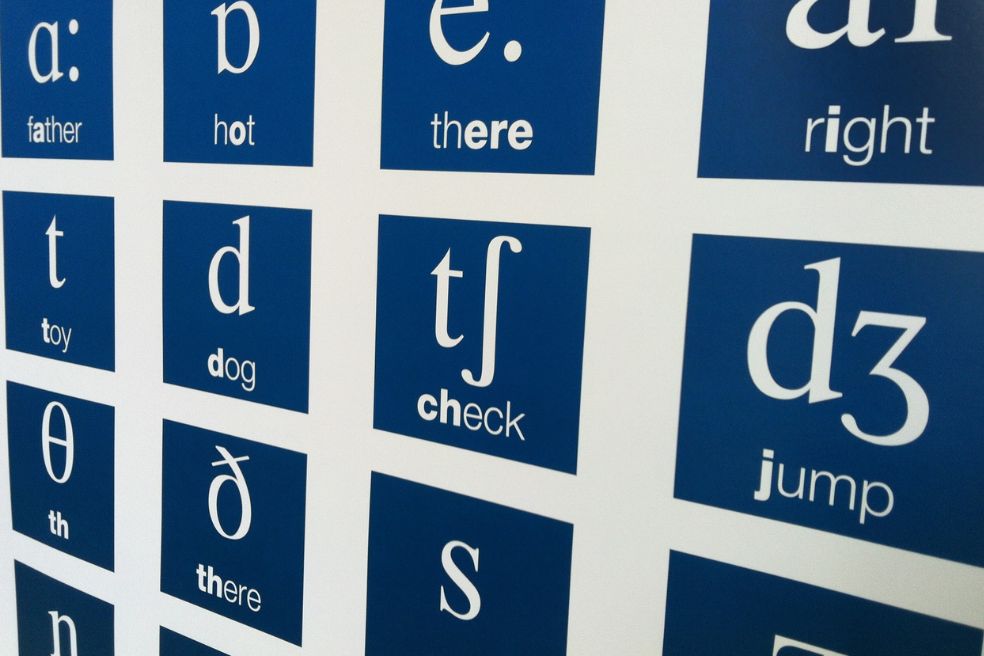
phonetic sounds in the English language

Phonetic Sounds in the English Language 

Have you ever wondered why the English language can be so complex? While there...

learn how to teach spelling

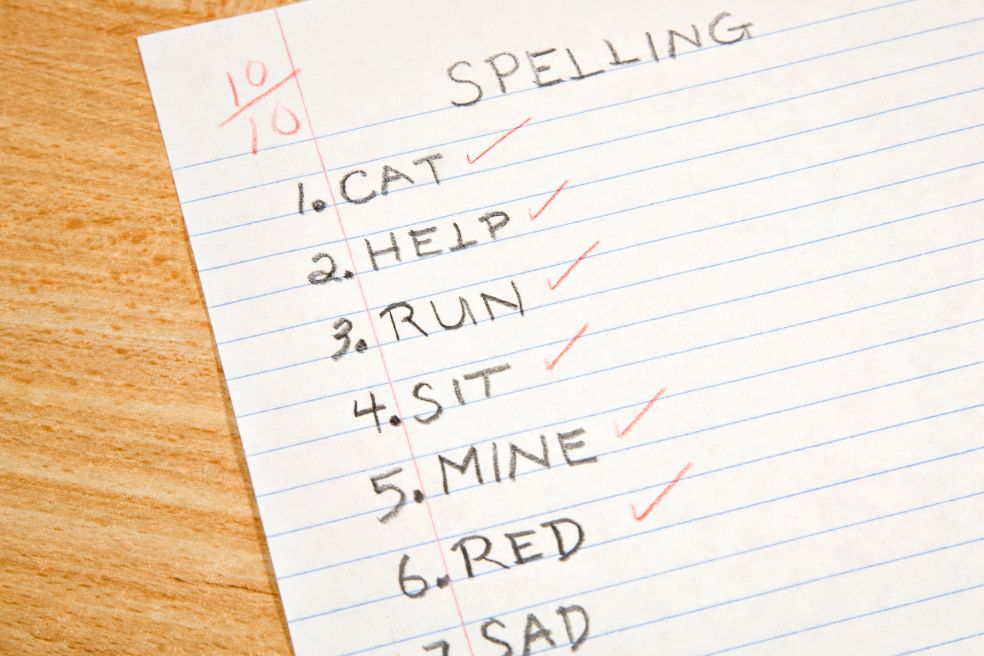
How to Teach Spelling: Beginner Phonics Instruction

Spelling is a primary skill in phonics instruction and literacy development. It equips children...

sight words vs high frequency words

Sight Words vs. High-Frequency Words

During phonics instruction, children learn to sound out or “decode” words. With enough practice,...

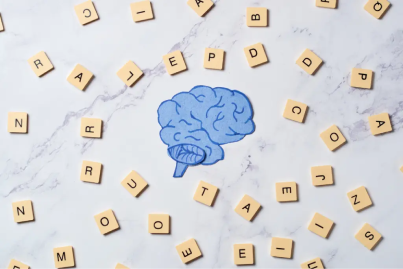
letters and the brain noting how the brain learns to read

How the Brain Learns to Read

Reading is an advanced skill and a relatively new phenomenon among humans. While literacy...

Types of Phoneme Blending for Early Readers

Types of Phoneme Blending for Early Readers

One of the most crucial skills for kids learning to read is learning how...

types of phonics instruction

The Different Types of Phonics Instruction

Teaching children how to read is a crucial and sometimes complicated process. Phonics instruction...

Orthographic Mapping and Sight Words: Developing Reading Fluency 

Skillful readers can read words effortlessly and automatically with full comprehension. This process often...

Common Phonics Mistakes to Avoid When Teaching

Ahhh, phonics instruction. It’s such a special experience in a child’s education! Helping kids...

Making Phonics Stick: Help Kids Learn Essential Literacy Skills 

Sometimes, it seems like no matter how much you practice with your child or...

Why Explicit Phonics Instruction is So Important

Explicit phonics instruction is vital to literacy development, especially when it’s time for kids...

Parent Pushback: Addressing Concerns About Phonics Instruction

Parent Pushback: Addressing Concerns About Phonics Instruction

You’ve just announced that your school is implementing a new systematic phonics program. You expect relief. After all, reading scores have been declining, and this approach is backed by decades…


When Phonics Rules Don’t Work: Teaching Exception Words Systematically

When Phonics Rules Don’t Work: Teaching Exception Words Systematically

You’ve been working hard with your child on phonics. They’re blending sounds beautifully, sounding out “cat” and “ship” with confidence. Then they encounter the word “said” and try to pronounce…

Why Most Teachers Weren’t Taught to Teach Phonics

Why Most Teachers Weren’t Taught to Teach Phonics

If you’re a parent whose child is struggling to read, you might wonder why their teacher seems uncertain about phonics instruction. It’s a fair question, and the answer might surprise…

Phonics First vs. Sounds-Write: Comparing Synthetic Phonics Programs

Phonics First vs. Sounds-Write: Comparing Synthetic Phonics Programs

You’ve done your research. You understand that systematic synthetic phonics is a typical standard for teaching reading. You know your child or students need explicit instruction in letter-sound relationships with…

Right to Read Laws: What Parents and Educators Need to Know

Right to Read Laws: What Parents and Educators Need to Know

The Right to Read Act, introduced in Congress, is an effort by lawmakers to address gaps in literacy instruction and library access. While legislation always involves a political process, the…

ELL Students and Phonics: Understanding Sound System Differences

ELL Students and Phonics: Understanding Sound System Differences

Maria’s kindergarten teacher noticed something puzzling. The bright five-year-old could identify every letter in the alphabet and knew most of their sounds. Yet when reading simple words, she consistently read…

Phonics Professional Development: Programs That Actually Work

Phonics Professional Development: Programs That Actually Work

It’s 3:30 on a Friday afternoon. Thirty exhausted teachers file into the library for mandatory professional development on phonics instruction. A consultant clicks through slides explaining the five components of…

Teaching Phonics to Specialized Populations: Adapting Instruction for Every Learner

Teaching Phonics to Specialized Populations: Adapting Instruction for Every Learner

Your third grader still struggles to decode simple words. Your English language learner confuses similar sounds. Your high schooler avoids reading aloud at all costs. These scenarios play out in…

Teaching Phonics to Students with Down Syndrome

Teaching Phonics to Students with Down Syndrome

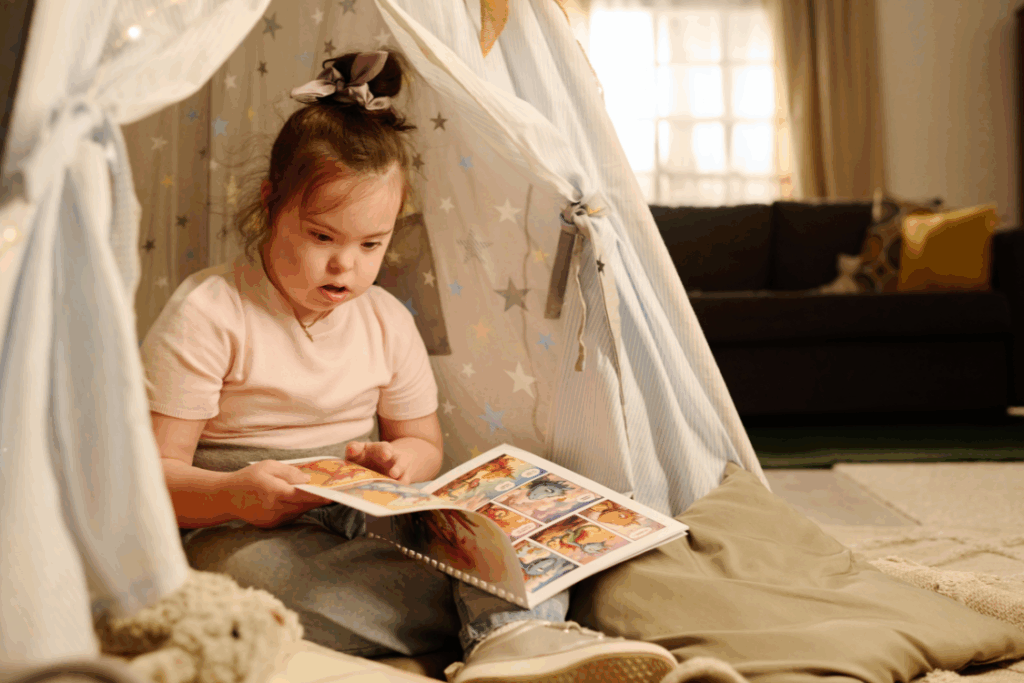
Imagine it: a child with Down syndrome proudly reading their favorite book aloud, pointing to each word with growing confidence. This isn’t just a hopeful dream. It’s an achievable reality.…

Gamification in Phonics: What Motivates Students?

Gamification in Phonics: What Motivates Students?

Your kindergartener rushes to the tablet each morning, eager to earn more badges in their phonics app. Two months later, they barely glance at it. What happened? This scenario plays…