Learn to teach
phonics clearly
Simple, expert-backed guidance to help you teach reading with confidence.
Top Reading Apps of 2026
The building blocks of effective reading

Phonics 101
Core concepts, sequencing, and the instructional foundations behind effective phonics teaching.
Explore Phonics 101
Phonics Skills
Individual decoding skills from letter sounds and CVC words through vowel teams and syllable types.
Explore Skills
Struggling Readers
Intervention, dyslexia-informed support, multilingual considerations, and progress monitoring.
Explore Support
For Teachers
Classroom implementation, instructional structures, assessment, and lesson planning that sticks.
Explore Teaching
Science of Reading
The research, evidence, and reading-brain science behind how children actually learn to read.
Explore the Science
For Parents
Support your child's reading at home — practical, age-by-age guidance for every stage.
Explore For ParentsStart with the guides readers use most

Phonics Skills 6 mins read
Sweet Phonics Review: A Closer Look at This Phonics App for Ages 3-8
A Decoding-Focused Phonics App for Young Learners Looking for honest, research-grounded reviews of literacy programs?…
Read Article
Phonics Skills 5 mins read
How Much Reading Practice Is Too Much for Young Children?
Most parents worried about their child’s reading ask one question: Are we doing enough? Fewer stop to ask the opposite.…
Read Article
Phonics Skills 5 mins read
What Kindergarten Teachers Wish Parents Knew About Early Literacy
Kindergarten teachers hear a version of the same story every September. Parents spent the summer drilling letter names,…
Read ArticleBest Phonics Programs of 2026
Explore All App Reviews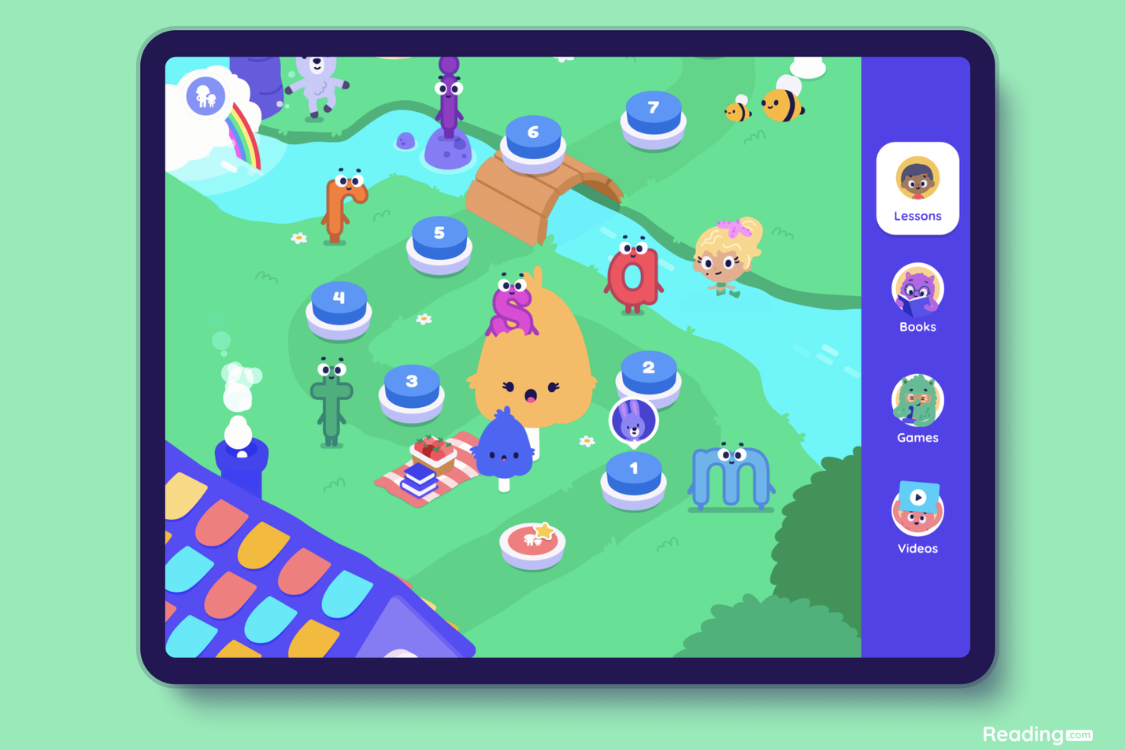
Reading.com App Review
A Unique, Research-Based Approach to Teaching Children to Read At phonics.org, we evaluate phonics programs…
Read Full Review
Flocabulary Review: A Fun, Musical Literacy App
Captivating Raps Fill Vocabulary Gaps Curious about what experts truly think about online learning platforms?…
Read Full Review
UFLI Foundations Review: Is This Phonics Program Right for Classrooms?
A Research-Backed Phonics Program That Delivers Measurable Results Looking for honest reviews of phonics…
Read Full Review
Chimp Fu Syllables: App Review
Chopping Chimp Champions Syllable Division Phonics.org literacy experts regularly review literacy apps on…
Read Full Review
Learn to Read: Duolingo ABC Review
At phonics.org, we review educational apps so you can make informed decisions on your child’s education. This…
Read Full Review
All About Reading Review: Is This Phonics Program Right for Your Homeschool?
A Structured, Multisensory Phonics Program Built for Parent-Led Instruction Looking for honest,…
Read Full Review

Choose an age and follow the right next step
View More For Parents3–4 years old
Pre-readers
Letter recognition and phonemic awareness basics.
4–5 years old
Beginning readers
Letter sounds, CVC words, and first blending.
5–7 years old
Developing readers
Blends, digraphs, and fluency-building practice.
7+ years old
Advanced readers
Multisyllable, spelling patterns, and extra support when needed.
Latest Articles

Phonics Skills 4 mins read
Reading Readiness vs School Readiness: What’s the Difference?
Parents hear both phrases in the run-up to kindergarten, often used as if they mean the same thing. They do not. A…
Read Article
Phonics Skills 4 mins read
When Should You Switch Reading Programs?
Every parent using a reading program eventually hits the same worry. Progress feels slow, the child seems bored, and a…
Read Article
Phonics Skills 4 mins read
Reading Motivation For Kids Who Are Still Learning To Decode
Learning to decode is slow, effortful work, and it can wear down a child’s enthusiasm for reading long before the skill…
Read Article
Phonics Skills 5 mins read
Is Your Preschooler Ready To Learn Letter Sounds?
Many parents assume letter sounds are where reading instruction should start. There is actually a step that comes…
Read Article