First Grade Phonics: When to Move Beyond Basics
There’s a moment that many first-grade parents describe with the same kind of wonder, the moment their child picks up a book and just… reads it. Not perfectly, not without…

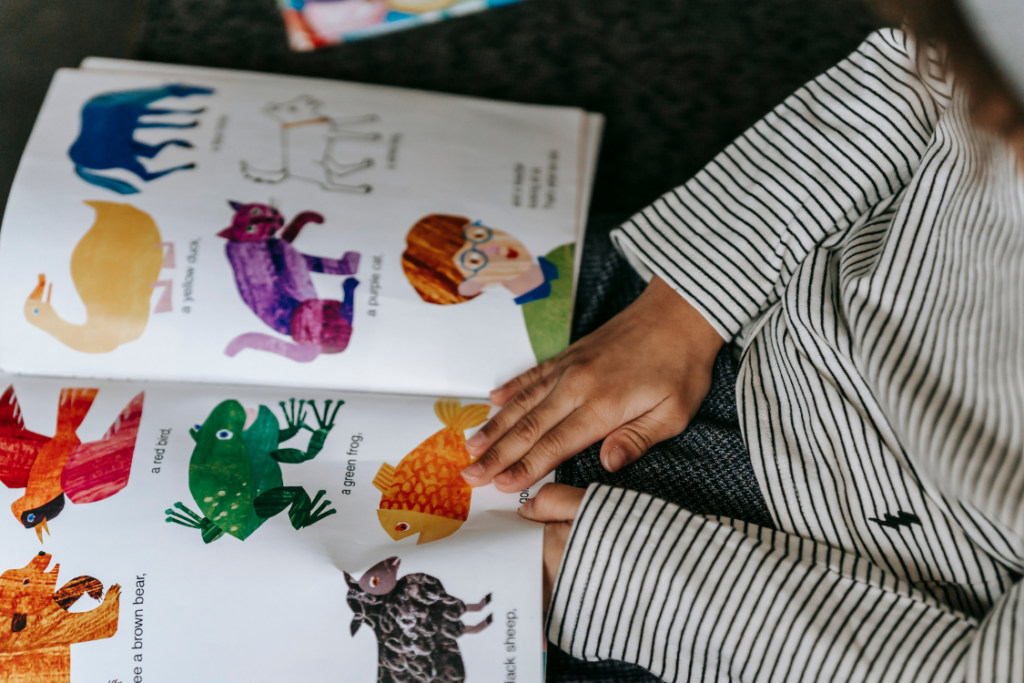
When children are learning to read, they must be taught how to “sound out”...

Anyone who can read and write in an alphabetical language has mastered an important...

There’s a moment that many first-grade parents describe with the same kind of wonder, the moment their child picks up a book and just… reads it. Not perfectly, not without…

There is a well-documented shift that occurs around third grade, which literacy researchers have studied for decades. In the early grades, children are learning to read. By third grade, they…

Here’s something that surprises many parents: phonics learning doesn’t begin in kindergarten. It begins in the bathtub. It begins in the car. It begins every time your toddler claps along…

If you’ve ever sat at a kindergarten pickup wondering whether your child is keeping pace with their classmates, you’re not alone. Phonics progress in kindergarten can feel mysterious from the…

You’ve just announced that your school is implementing a new systematic phonics program. You expect relief. After all, reading scores have been declining, and this approach is backed by decades…

If you’re a parent whose child is struggling to read, you might wonder why their teacher seems uncertain about phonics instruction. It’s a fair question, and the answer might surprise…

The Right to Read Act, introduced in Congress, is an effort by lawmakers to address gaps in literacy instruction and library access. While legislation always involves a political process, the…

Your third grader still struggles to decode simple words. Your English language learner confuses similar sounds. Your high schooler avoids reading aloud at all costs. These scenarios play out in…

You’re scrolling through educational apps at 10 PM, reading glowing reviews and watching demo videos of animated characters celebrating correct answers. This one promises to teach your child to read…

It’s 6:30 PM on a Tuesday. Dinner’s cooking, work emails are piling up, and your five-year-old is restless. You hand over the tablet loaded with that phonics app everyone recommends.…
