Articles

Inspire a love of learning through phonics.

Whether you’re a teacher, family member, tutor, or childcare professional, you can have a positive impact on a child’s life. One of the most extraordinary gifts a child ever receives is the ability to read and write.

Although literacy doesn’t come naturally to humans, it’s an essential part of our everyday lives. Explicit, effective, and encouraging phonics instruction is vital to creating a more literate world.  Explore the trusted resources, articles, and reviews from phonics.org to instill a love of learning in someone you care about.

Phonics Resources for All

Can worksheets teach phonics? Discover better alternatives for helping your child master reading skills through engaging, research-backed methods.

Can Worksheets Teach Phonics?

Your child sits at the kitchen table, pencil in hand, dutifully filling in letters...

Phonics and executive function are closely linked—skills like memory and focus shape how children learn to read.

Phonics and Executive Function

Here’s something that might surprise you: when your child sits down to sound out...

When it comes to learning to read, systematic vs. incidental phonics isn’t just a debate—studies consistently show systematic phonics leads to better outcomes. Here's what parents need to know to choose the right approach for their child.

Systematic vs. Incidental Phonics: Which Approach Gets Kids Reading Faster?

When it comes to teaching children how to read, not all approaches are created...

Master 30+ essential phonics terms and methods every parent needs to understand.

Essential Phonics Terms Every Parent Should Know

When you start helping your child with reading, you’ll quickly encounter terms that might...

Get answers to 25+ Phonics FAQs. Learn when kids should start phonics, how to help at home, and what to do if your child struggles with reading.

Phonics FAQs: Let’s Support Young Readers

As a parent, you probably have questions about phonics and how to support your...

Learn evidence-based solutions to avoid these pitfalls and ensure effective literacy instruction.

Common Phonics Teaching Mistakes and How to Avoid Them

Sarah thought she was doing everything right. She bought colorful phonics workbooks, downloaded popular...

Explore how the Trump administration's focus on evidence-based reading instruction could transform schools.

Federal Focus on Evidence-Based Reading: What This Means for Your Child’s Education

In a historic shift that could transform how millions of American children learn to...

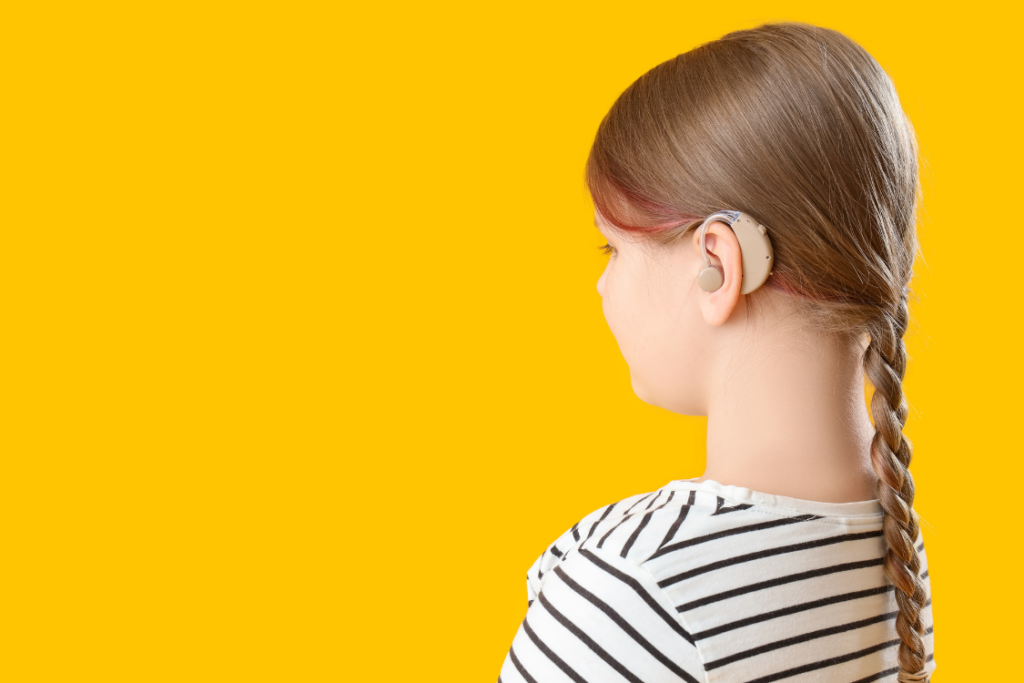
Discover specialized approaches, visual techniques, and multisensory methods that support deaf and hard-of-hearing learners.

Teaching Phonics to Children with Hearing Impairments

When five-year-old Maya first entered kindergarten with her hearing aids, her teacher wondered how...

Discover why decodable texts outperform leveled readers for early phonics instruction.

Decodable Texts vs. Leveled Readers: Making the Right Choice for Your Child

Did you know that the books your child reads during their early learning years...

Learn how to implement effective measurement strategies, interpret results, and use data to guide instruction for struggling and advancing readers.

Phonics Assessment Tools: How to Measure Reading Progress Effectively

The journey to reading proficiency isn’t linear—it’s filled with plateaus, leaps forward, and occasional...

Reading.com App Review

Reading.com App Review

A Unique, Research-Based Approach to Teaching Children to Read At phonics.org, we evaluate phonics programs designed for children—empowering you to make informed decisions about the most suitable apps for your…


Phonics Professional Development: Programs That Actually Work

Phonics Professional Development: Programs That Actually Work

It’s 3:30 on a Friday afternoon. Thirty exhausted teachers file into the library for mandatory professional development on phonics instruction. A consultant clicks through slides explaining the five components of…

Teaching Phonics to Specialized Populations: Adapting Instruction for Every Learner

Teaching Phonics to Specialized Populations: Adapting Instruction for Every Learner

Your third grader still struggles to decode simple words. Your English language learner confuses similar sounds. Your high schooler avoids reading aloud at all costs. These scenarios play out in…

Digital Phonics Games: Which Ones Actually Follow Science?

Digital Phonics Games: Which Ones Actually Follow Science?

You’re scrolling through educational apps at 10 PM, reading glowing reviews and watching demo videos of animated characters celebrating correct answers. This one promises to teach your child to read…

Screen Time vs. Sound Time: The Phonics Balance

Screen Time vs. Sound Time: The Phonics Balance

It’s 6:30 PM on a Tuesday. Dinner’s cooking, work emails are piling up, and your five-year-old is restless. You hand over the tablet loaded with that phonics app everyone recommends.…

Systematic Phonics for Homeschoolers: Building Readers Step by Step

Systematic Phonics for Homeschoolers: Building Readers Step by Step

Your kindergartener knows the alphabet song by heart. She can identify most letters when you point to them. She’s even started recognizing her name in print. So why does she…

Teaching Phonics to Students with Down Syndrome

Teaching Phonics to Students with Down Syndrome

Imagine it: a child with Down syndrome proudly reading their favorite book aloud, pointing to each word with growing confidence. This isn’t just a hopeful dream. It’s an achievable reality.…

Gamification in Phonics: What Motivates Students?

Gamification in Phonics: What Motivates Students?

Your kindergartener rushes to the tablet each morning, eager to earn more badges in their phonics app. Two months later, they barely glance at it. What happened? This scenario plays…

Morphophonemic Awareness: The Missing Link in Upper Elementary

Morphophonemic Awareness: The Missing Link in Upper Elementary

Your fourth grader breezes through simple stories but stumbles over science textbooks. She can decode “cat” and “jump” perfectly, but falls apart when facing “ecosystem” or “photosynthesis.” This may not…

Memory and Phonics: Why Some Kids Forget Letter Sounds

Memory and Phonics: Why Some Kids Forget Letter Sounds

Your child confidently identifies the letter M on Monday. By Wednesday, they stare at the same letter as if they’ve never seen it before. You wonder if you’re doing something…

Organizing Your Home Reading Space for the New Year

Organizing Your Home Reading Space for the New Year

January brings fresh energy and clean slates. You’ve organized closets, cleared out old toys, and maybe even tackled that junk drawer. But have you looked at your child’s reading materials…