Articles

Inspire a love of learning through phonics.

Whether you’re a teacher, family member, tutor, or childcare professional, you can have a positive impact on a child’s life. One of the most extraordinary gifts a child ever receives is the ability to read and write.

Although literacy doesn’t come naturally to humans, it’s an essential part of our everyday lives. Explicit, effective, and encouraging phonics instruction is vital to creating a more literate world.  Explore the trusted resources, articles, and reviews from phonics.org to instill a love of learning in someone you care about.

Phonics Resources for All

Learn practical strategies to support young writers, understand developmental stages, and connect phonics instruction to meaningful writing experiences that benefit both reading and writing proficiency.

Supporting Early Writers: Connecting Phonics to Writing Development

Ever watched a child laboriously sound out each letter as they attempt to spell...

Digital vs. Traditional Phonics: Learn strategies to choose the right approach for your child's reading needs and effectively combine both methods for optimal results.

Digital vs. Traditional Phonics: What Research Says

If you’re a parent of a child struggling with reading skills, you’ve likely found...

Discover how to use 'A Bad Case of Stripes' to teach explicit, systematic phonics principles.

Book Review: “A Bad Case of Stripes”

David Shannon’s vibrant picture book “A Bad Case of Stripes,” tells the whimsical story...

Discover 10 engaging activities to help your child develop essential phonics skills through rhythm and sound segmentation.

Practical Activities to Build Rhythm and Segmentation Skills

Teaching sound segmentation doesn’t require expensive materials or formal training—just enthusiasm and consistency! The...

Learn how reading skills transfer between languages and how to support bilingual children's literacy development.

Cross-Linguistic Transfer in Reading

Does learning to read in one language help children learn to read in another?...

Learn effective strategies for supporting diverse learners in phonics instruction for success.

Supporting Diverse Learners in Phonics Instruction

Every classroom contains a unique tapestry of learners, each bringing their own strengths, challenges,...

Learn evidence-based differentiation strategies to tailor phonics instruction for every learner.

Evidence-Based Differentiation Strategies for Phonics Instruction

Teaching phonics effectively means reaching every student in your classroom, regardless of their reading...

Learn what research really says about the learning styles myth and get evidence-based strategies to support your child's educational success.

Debunking Learning Style Myths: What Parents Need to Know

If you’ve ever heard someone say, “I’m a visual learner” or “My child learns...

Learn how occupational therapy can support your child's reading development alongside phonics instruction.

Do Occupational Therapists Help with Reading?

If your child’s occupational therapist has suggested they can help with reading challenges, you...

Discover evidence-based strategies for teaching phonics to dyslexic students.

Phonics for Dyslexic Students: A Teacher’s Guide

As educators, supporting students with dyslexia requires a deep understanding of evidence-based phonics instruction....

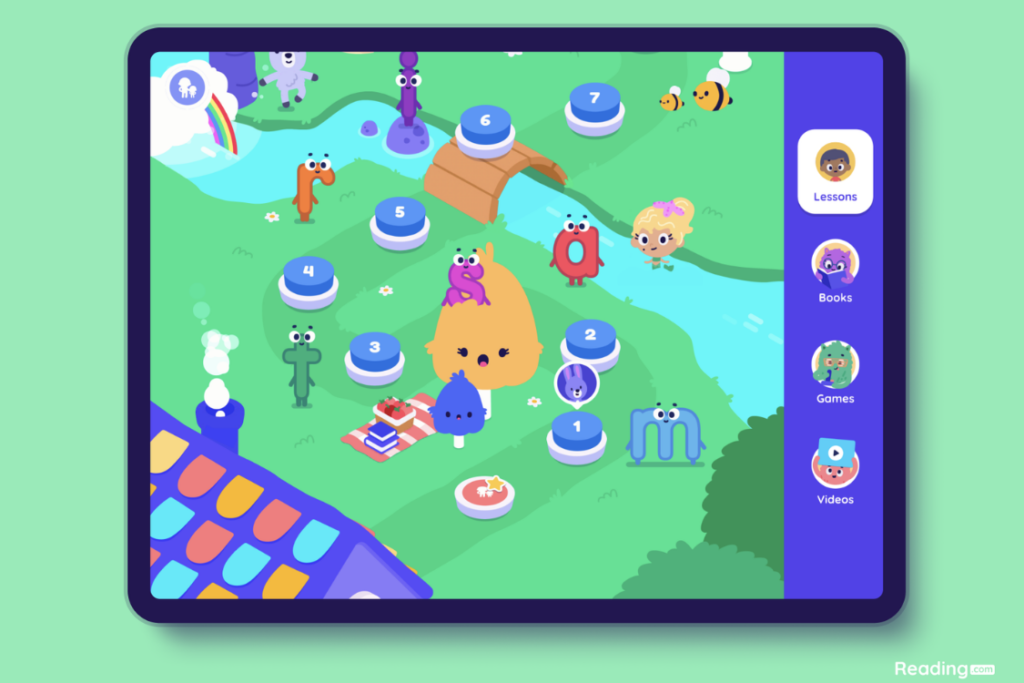
Reading.com App Review

Reading.com App Review

A Unique, Research-Based Approach to Teaching Children to Read At phonics.org, we evaluate phonics programs designed for children—empowering you to make informed decisions about the most suitable apps for your…


Phonics Professional Development: Programs That Actually Work

Phonics Professional Development: Programs That Actually Work

It’s 3:30 on a Friday afternoon. Thirty exhausted teachers file into the library for mandatory professional development on phonics instruction. A consultant clicks through slides explaining the five components of…

Teaching Phonics to Specialized Populations: Adapting Instruction for Every Learner

Teaching Phonics to Specialized Populations: Adapting Instruction for Every Learner

Your third grader still struggles to decode simple words. Your English language learner confuses similar sounds. Your high schooler avoids reading aloud at all costs. These scenarios play out in…

Digital Phonics Games: Which Ones Actually Follow Science?

Digital Phonics Games: Which Ones Actually Follow Science?

You’re scrolling through educational apps at 10 PM, reading glowing reviews and watching demo videos of animated characters celebrating correct answers. This one promises to teach your child to read…

Screen Time vs. Sound Time: The Phonics Balance

Screen Time vs. Sound Time: The Phonics Balance

It’s 6:30 PM on a Tuesday. Dinner’s cooking, work emails are piling up, and your five-year-old is restless. You hand over the tablet loaded with that phonics app everyone recommends.…

Systematic Phonics for Homeschoolers: Building Readers Step by Step

Systematic Phonics for Homeschoolers: Building Readers Step by Step

Your kindergartener knows the alphabet song by heart. She can identify most letters when you point to them. She’s even started recognizing her name in print. So why does she…

Teaching Phonics to Students with Down Syndrome

Teaching Phonics to Students with Down Syndrome

Imagine it: a child with Down syndrome proudly reading their favorite book aloud, pointing to each word with growing confidence. This isn’t just a hopeful dream. It’s an achievable reality.…

Gamification in Phonics: What Motivates Students?

Gamification in Phonics: What Motivates Students?

Your kindergartener rushes to the tablet each morning, eager to earn more badges in their phonics app. Two months later, they barely glance at it. What happened? This scenario plays…

Morphophonemic Awareness: The Missing Link in Upper Elementary

Morphophonemic Awareness: The Missing Link in Upper Elementary

Your fourth grader breezes through simple stories but stumbles over science textbooks. She can decode “cat” and “jump” perfectly, but falls apart when facing “ecosystem” or “photosynthesis.” This may not…

Memory and Phonics: Why Some Kids Forget Letter Sounds

Memory and Phonics: Why Some Kids Forget Letter Sounds

Your child confidently identifies the letter M on Monday. By Wednesday, they stare at the same letter as if they’ve never seen it before. You wonder if you’re doing something…

Organizing Your Home Reading Space for the New Year

Organizing Your Home Reading Space for the New Year

January brings fresh energy and clean slates. You’ve organized closets, cleared out old toys, and maybe even tackled that junk drawer. But have you looked at your child’s reading materials…