


AI Reading Apps for Dyslexia: What Works?
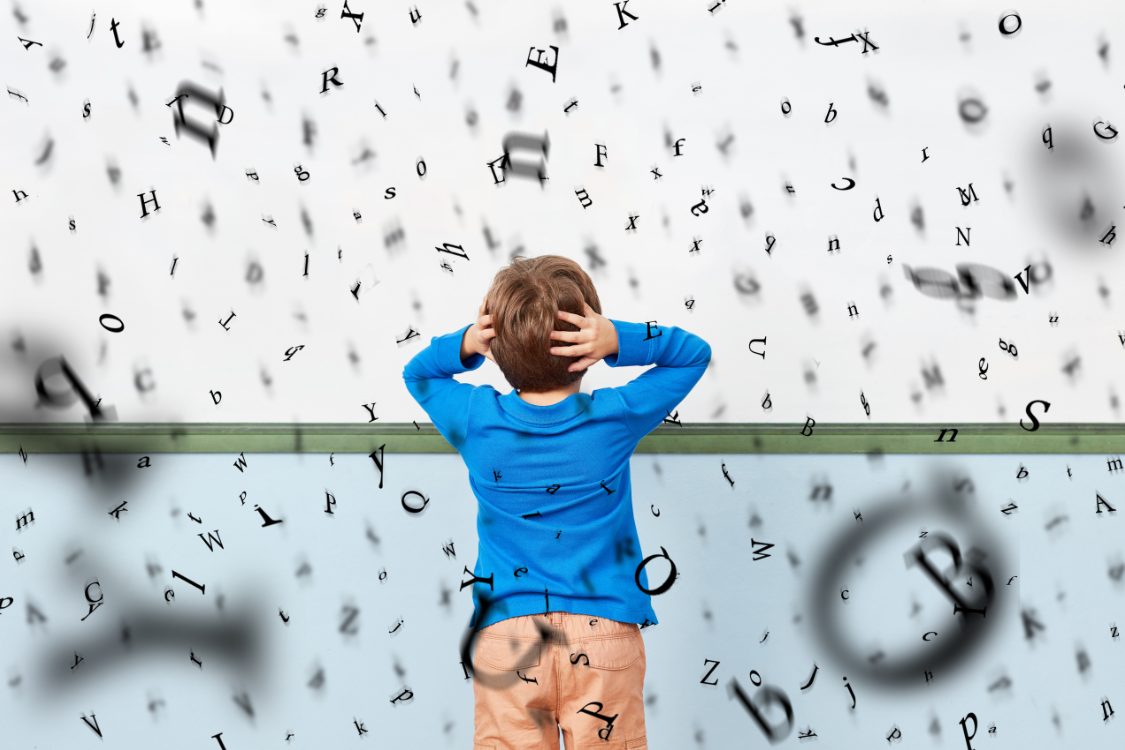
Search the app store for dyslexia, and you will find a wave of apps promising to help. Some are built on solid ground. Others offer little more than a special font and a reassuring name. For a parent whose child has just been identified with dyslexia, the stakes feel high, and the choices feel endless. The good news is that decades of research tell us what helps a dyslexic reader, giving you a clear standard to hold any app against.
What Helps a Dyslexic Reader
Dyslexia is, at its core, a difficulty with the sounds of language and with connecting those sounds to print. That is why the approach with the strongest evidence targets exactly that weakness. The International Dyslexia Association describes it as structured literacy: instruction that is explicit, systematic, cumulative, and often multisensory. In plain terms, a good approach teaches letter-sound relationships directly and in a careful order, has the child practice each step until it is secure, and engages sight, sound, and movement together to make the connections stick. It also starts early and involves a great deal of practice. None of this is optional for a dyslexic reader, and it is the yardstick every app should be measured against.
Where AI Apps Genuinely Help
Here is where technology earns its place. Children with dyslexia typically need far more repetition of each sound and pattern than their classmates before it becomes automatic, and that amount of practice is hard for any parent or teacher to provide alone. A well-built app never tires of it. It can drill the same patterns patiently, listen as a child reads aloud, and give instant feedback on which sounds were missed. For a child who needs hundreds of low-pressure repetitions, that steady, judgment-free practice is genuinely useful, and it frees the adults in the child’s life for the parts a screen cannot handle.
What to Look For in an App
The question is never whether an app says dyslexia. It is whether the teaching inside matches structured literacy. Look for explicit phonics taught in a clear sequence, with each skill secured before the next. Look for real work on phonemic awareness, the hearing and manipulating of individual sounds, and for direct practice connecting those sounds to letters. Decodable text, made of patterns the child has already learned, is a good sign, and so is any multisensory element that pairs saying, hearing, and writing. Just as important is what a strong app refuses to do. It should never ask a child to guess a word from a picture or the first letter. To compare specific programs against these features, honest app reviews can save you a lot of trial and error.
What to Ignore
Some of the most heavily marketed dyslexia features are not the ones that help. Special dyslexia fonts are the clearest example. In controlled studies, children with dyslexia did not read a font like Dyslexie any faster or more accurately than a standard font such as Arial, and most of them preferred the ordinary font. More broadly, dyslexia is a language-based difficulty, not a vision problem, so features built around tinted screens, colored lenses, or eye exercises do not address its cause. A pleasant font, or a color a child happens to like, is harmless in itself. The mistake is letting a cosmetic feature stand in for the structured instruction a dyslexic reader actually needs.
An App Is a Support, Not a Cure
Even the best app belongs alongside skilled human help, not in place of it. A significant reading difficulty usually calls for a trained interventionist and, first, a proper evaluation, since only a qualified professional can diagnose dyslexia and shape a plan around your child. Think of a strong app as extra reps between sessions, reinforcing what a knowledgeable teacher introduces. Used that way, technology extends good instruction. Used as a substitute, it tends to leave the hardest work undone. If you suspect dyslexia, the most powerful step is not a download. It is asking your school for a specific evaluation and starting evidence-based help early, while gains come most easily.
Choose an AI Reading App for Dyslexia That Works
The apps worth your child’s time are the ones that deliver structured literacy, explicit and systematic phonics, real phonemic awareness work, and plenty of decoding practice, while steering clear of guessing and gimmicks. Match the app to that standard, keep it in service of skilled instruction, and act early. For more on evaluating reading programs and supporting a child with dyslexia, visit Phonics.org.