Articles

Inspire a love of learning through phonics.

Whether you’re a teacher, family member, tutor, or childcare professional, you can have a positive impact on a child’s life. One of the most extraordinary gifts a child ever receives is the ability to read and write.

Although literacy doesn’t come naturally to humans, it’s an essential part of our everyday lives. Explicit, effective, and encouraging phonics instruction is vital to creating a more literate world.  Explore the trusted resources, articles, and reviews from phonics.org to instill a love of learning in someone you care about.

Phonics Resources for All

First grade is when phonics really takes off — but how do you know when your child is ready to move beyond the basics? Here's what parents need to know.

First Grade Phonics: When to Move Beyond Basics

There’s a moment that many first-grade parents describe with the same kind of wonder,...

If your third grader is still struggling with phonics, targeted intervention can make a real difference. Here's what parents and educators need to know about catch-up strategies that work.

Phonics Catch-Up for Third Graders: Intensive Intervention Strategies

There is a well-documented shift that occurs around third grade, which literacy researchers have...

Wondering if your preschooler is on track with phonics? Learn what's developmentally appropriate for preschool literacy — and how to support early reading skills at home.

Preschool Phonics: What’s Developmentally Appropriate?

Here’s something that surprises many parents: phonics learning doesn’t begin in kindergarten. It begins...

Curious about what kindergarten phonics looks like throughout the year? Here's a warm, realistic guide to how phonics skills typically unfold — and how to support your child along the way.

Kindergarten Phonics Pacing: Month-by-Month Expectations

If you’ve ever sat at a kindergarten pickup wondering whether your child is keeping...

School administrators play a vital role in successful phonics implementation. Learn what leaders need to know to support teachers and improve reading outcomes for all students.

Administrative Support for Phonics Programs: What Leaders Need to Know

School administrators face an enormous challenge. Reading scores have declined, the achievement gap persists,...

When parents question phonics instruction, understanding their concerns helps educators respond effectively. Learn how to address common worries and build trust around reading methods.

Parent Pushback: Addressing Concerns About Phonics Instruction

You’ve just announced that your school is implementing a new systematic phonics program. You...

Learn practical strategies for teaching common exception words that don't follow phonics rules. Help young readers master these frequently-used words with systematic, research-backed approaches.

When Phonics Rules Don’t Work: Teaching Exception Words Systematically

You’ve been working hard with your child on phonics. They’re blending sounds beautifully, sounding...

Understanding why many teachers lack phonics training reveals gaps in teacher education programs and helps us support educators who want to teach reading effectively.

Why Most Teachers Weren’t Taught to Teach Phonics

If you’re a parent whose child is struggling to read, you might wonder why...

Exploring two leading synthetic phonics approaches and what makes systematic phonics programs effective for teaching young readers to decode confidently.

Phonics First vs. Sounds-Write: Comparing Synthetic Phonics Programs

You’ve done your research. You understand that systematic synthetic phonics is a typical standard...

Understanding the Right to Read Act and state literacy laws that aim to ensure every student has access to evidence-based reading instruction and school library resources.

Right to Read Laws: What Parents and Educators Need to Know

The Right to Read Act, introduced in Congress, is an effort by lawmakers to...

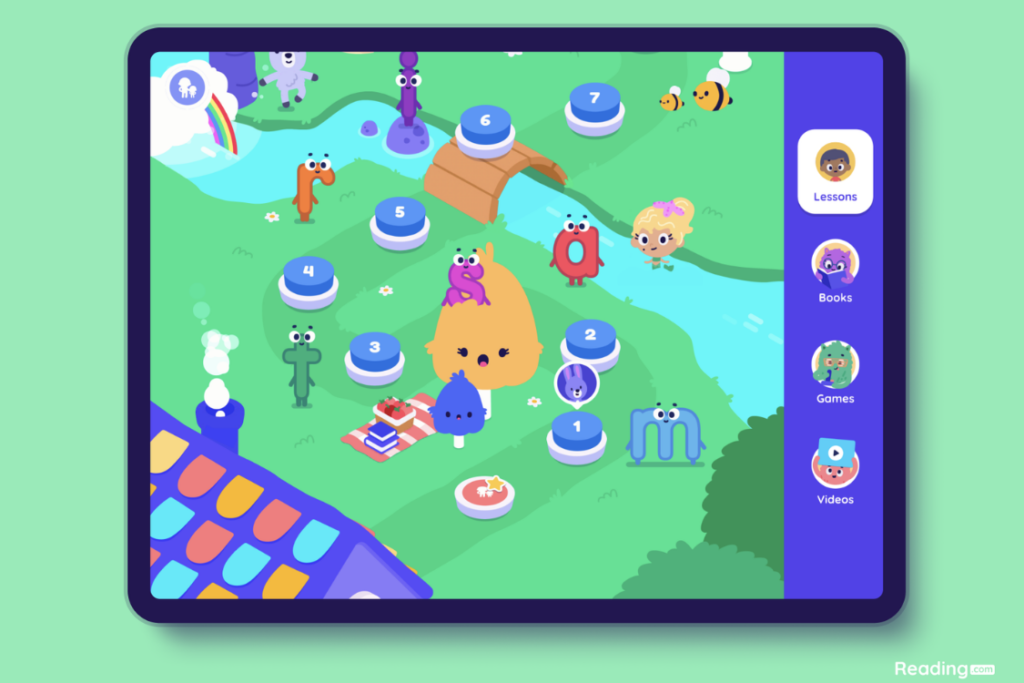
Reading.com App Review

Reading.com App Review

A Unique, Research-Based Approach to Teaching Children to Read At phonics.org, we evaluate phonics programs designed for children—empowering you to make informed decisions about the most suitable apps for your…


First Grade Phonics: When to Move Beyond Basics

First Grade Phonics: When to Move Beyond Basics

There’s a moment that many first-grade parents describe with the same kind of wonder, the moment their child picks up a book and just… reads it. Not perfectly, not without…

Phonics Catch-Up for Third Graders: Intensive Intervention Strategies

Phonics Catch-Up for Third Graders: Intensive Intervention Strategies

There is a well-documented shift that occurs around third grade, which literacy researchers have studied for decades. In the early grades, children are learning to read. By third grade, they…

Preschool Phonics: What’s Developmentally Appropriate?

Preschool Phonics: What’s Developmentally Appropriate?

Here’s something that surprises many parents: phonics learning doesn’t begin in kindergarten. It begins in the bathtub. It begins in the car. It begins every time your toddler claps along…

Kindergarten Phonics Pacing: Month-by-Month Expectations

Kindergarten Phonics Pacing: Month-by-Month Expectations

If you’ve ever sat at a kindergarten pickup wondering whether your child is keeping pace with their classmates, you’re not alone. Phonics progress in kindergarten can feel mysterious from the…

Administrative Support for Phonics Programs: What Leaders Need to Know

Administrative Support for Phonics Programs: What Leaders Need to Know

School administrators face an enormous challenge. Reading scores have declined, the achievement gap persists, and teachers are stretched thin as they try to meet diverse student needs. At the same…

Parent Pushback: Addressing Concerns About Phonics Instruction

Parent Pushback: Addressing Concerns About Phonics Instruction

You’ve just announced that your school is implementing a new systematic phonics program. You expect relief. After all, reading scores have been declining, and this approach is backed by decades…

When Phonics Rules Don’t Work: Teaching Exception Words Systematically

When Phonics Rules Don’t Work: Teaching Exception Words Systematically

You’ve been working hard with your child on phonics. They’re blending sounds beautifully, sounding out “cat” and “ship” with confidence. Then they encounter the word “said” and try to pronounce…

Why Most Teachers Weren’t Taught to Teach Phonics

Why Most Teachers Weren’t Taught to Teach Phonics

If you’re a parent whose child is struggling to read, you might wonder why their teacher seems uncertain about phonics instruction. It’s a fair question, and the answer might surprise…

Phonics First vs. Sounds-Write: Comparing Synthetic Phonics Programs

Phonics First vs. Sounds-Write: Comparing Synthetic Phonics Programs

You’ve done your research. You understand that systematic synthetic phonics is a typical standard for teaching reading. You know your child or students need explicit instruction in letter-sound relationships with…

Right to Read Laws: What Parents and Educators Need to Know

Right to Read Laws: What Parents and Educators Need to Know

The Right to Read Act, introduced in Congress, is an effort by lawmakers to address gaps in literacy instruction and library access. While legislation always involves a political process, the…